


Репортаж nCa
В период с 26 по 30 апреля премьер-министр Андрей Бабиш возглавил одну из самых амбициозных с коммерческой точки зрения чешских зарубежных миссий за последние годы. Четырехдневное турне охватило Азербайджан, Казахстан и Узбекистан. В поездке его сопровождали вице-премьер Карел Гавличек и делегация из представителей более чем 50 компаний, работающих в сферах энергетики, транспорта, машиностроения и оборонной промышленности.
Поездка не была облечена в высокопарные геополитические формулировки. Бабиш высказался о целях предельно прямо: около 80% чешского экспорта приходится на страны ЕС, и стране необходимо открывать новые рынки. «Новые рынки находятся здесь», — заявил он.
Азербайджан: больше, чем просто визит вежливости
Визит начался в Азербайджане, и его никак нельзя было назвать рутинным. 27 апреля Президент Алиев провел расширенные переговоры с Бабишем в Габале — выбор места проведения встречи свидетельствует об искренней личной заинтересованности со стороны азербайджанского лидера.
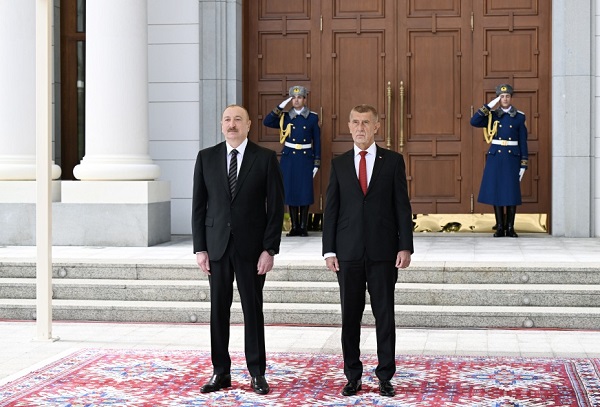
Энергетический аспект был на первом плане. Азербайджан уже является основным поставщиком сырой нефти в Чешскую Республику, обеспечивая 42% потребления. Бабиш прибыл в Баку с запросом и на поставки природного газа, пригласив государственную энергетическую компанию ČEZ для изучения возможностей долгосрочных соглашений.
Вице-премьер Гавличек подчеркнул глубину существующих отношений: «Мы являемся для них вторым по значимости партнером в Европе после Италии», — отметил он, подтвердив интерес Чехии к расширению поставок газа в рамках усилий по диверсификации энергоресурсов.
Что касается промышленной сферы, чешская делегация оборонного сектора была представлена весьма конкретно: в переговорах участвовали Czechoslovak Group, Colt (штурмовые винтовки), Aero Vodochody (с предложением самолетов L-39NG) и государственная компания Explosia. Кроме того, чешские компании вели переговоры о поставках вагонов метро для Азербайджана — деталь, указывающая на реальный промышленный интерес, а не просто на демонстрацию доброй воли.
При этом товарооборот между Чехией и Азербайджаном резко сокращается: в 2025 году он упал на 29%, а за первые два месяца 2026 года — на внушительные 60,8%. Таким образом, визит был направлен в том числе на то, чтобы остановить этот спад, а не просто закрепить достигнутое.
Казахстан: игра вдолгую
Казахстан стал промежуточной остановкой в турне, и со структурной точки зрения эти отношения могут оказаться наиболее важными из всех трех. Бабиш провел переговоры с Президентом Токаевым, в центре внимания которых были нефть, промышленная кооперация и логистика — при этом Прага выразила явную заинтересованность в поставках казахстанской нефти.
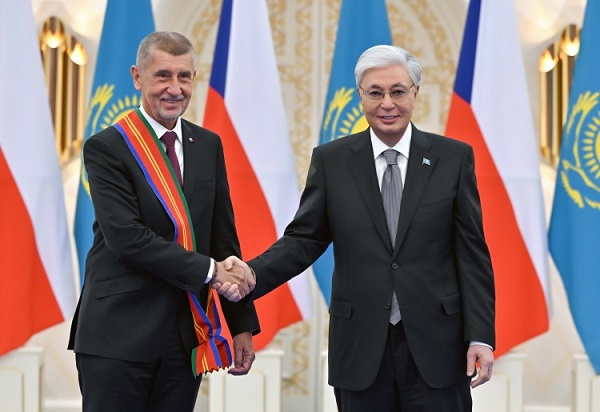
Казахстан является крупнейшей экономикой Центральной Азии, значительным производителем урана и расположен на пересечении сухопутных торговых путей, соединяющих Европу и Азию. Для чешских компаний, обладающих опытом в области машиностроения, энергетических систем и транспорта, здесь открываются долгосрочные перспективы. Тем не менее, конкретных подписанных соглашений по итогам этого этапа в открытых отчетах было меньше, чем по Узбекистану, что позволяет предположить: визит в Астану был направлен скорее на закладку фундамента, нежели на торжественное перерезание ленточек.
Узбекистан: место, где заключались сделки
Ташкент стал этапом миссии, на котором она приобрела наиболее ощутимый коммерческий характер. Бабиш встретился с Президентом Мирзиёевым в резиденции «Куксарой», где переговоры прошли как в узком, так и в расширенном форматах. Было отмечено, что за последние годы объем двусторонней торговли вырос почти в два раза, а в качестве приоритетной цели установлен показатель товарооборота в 1 миллиард долларов США.
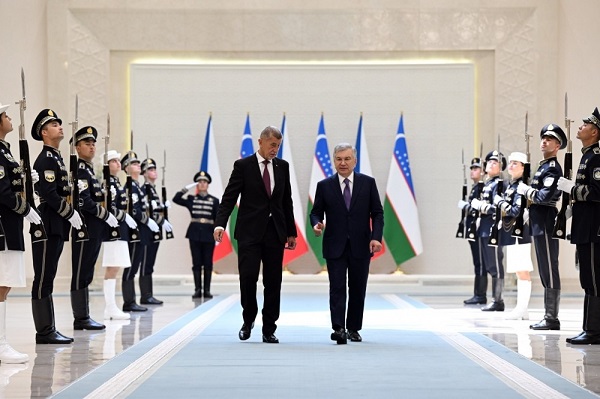
Примечательным стало создание институциональной базы: для систематического управления экономическими отношениями будет учрежден Деловой совет, а следующее заседание Межправительственной комиссии запланировано на август в Ташкенте. На сегодняшний день в Узбекистане уже действуют 37 предприятий с участием чешского капитала.
Главным проектом стала железнодорожная сделка компании Škoda. Инициатива предусматривает поставку и сборку электропоездов Škoda в Узбекистане с постепенной локализацией производства компонентов. При Ташкентском государственном транспортном университете планируется открыть Академию Škoda для обучения местных специалистов. Это именно тот тип выстраивания промышленной экосистемы — а не просто разовая экспортная поставка — который обеспечивает долгосрочное коммерческое присутствие.
Стороны также затронули вопрос восстановления прямого авиасообщения между двумя странами, что имеет важное значение как для деловых поездок, так и для туризма.
В чем заключался истинный смысл этой поездки?
Если отбросить дипломатические формулировки, в повестке Бабиша можно выделить пять ключевых пунктов.
Энергетическая безопасность стала самым насущным стимулом. Бабиш сослался на ситуацию вокруг Ормузского пролива как на причину, по которой диверсификация источников энергии важна именно сейчас — это напоминание о том, что подобные переговоры не происходят в вакууме. Закрепление связей по нефти и газу с Азербайджаном и Казахстаном, а также изучение потенциала долгосрочного сотрудничества в атомной сфере (Казахстан является крупнейшим производителем урана), вписывается в чешскую энергетическую стратегию, носящую одновременно прикладной и оборонительный характер.
Рынки сбыта стали вторым двигателем миссии. Чешская промышленность — машиностроение, железнодорожный сектор, оборонный комплекс, фармацевтика — нуждается в росте за пределами европейского рынка, который, по словам самого Бабиша, «разрушается» из-за «Зеленой сделки» (Green Deal). Независимо от отношения к такой формулировке, коммерческая логика разворота на восток вполне реальна.
Промышленное партнерство, а не просто экспортные продажи, было третьей целью. Модель Академии Škoda в Ташкенте и локализация производства компонентов свидетельствуют о том, что Прага стремится интегрировать чешские компании в экономики этих стран, а не просто поставлять туда товары.
Транспортная связанность стала четвертым направлением. Транскаспийский международный транспортный маршрут (Срединный коридор), соединяющий Центральную Азию с Европой через Азербайджан, приобретает все большее значение на фоне глобальной перестройки цепочек поставок. Интерес Чехии к железнодорожным и грузовым перевозкам естественным образом вписывается в эту картину.
Присутствие — пятый и, возможно, самый недооцененный элемент. Центральная Азия и Южный Кавказ остаются относительно малоизученными рынками для чешских компаний, несмотря на их масштаб и стратегическую важность. Сам факт личного присутствия — во главе с премьер-министром, вице-премьером и представителями 50 компаний — меняет ситуацию.
Честная оценка
Чешская Республика — это не Германия и не Франция. Успех в этом регионе, как утверждает Гавличек, нельзя измерять небольшим процентным увеличением экспорта — целью являются крупномасштабные контракты, а не постепенный рост. Принесет ли эта поездка такие результаты, станет ясно лишь в ближайшие месяцы.
Что же было достигнуто конкретно: запущен железнодорожный проект Škoda в Узбекистане с сопутствующей учебной академией; установлена цель по товарообороту с Ташкентом в 1 миллиард долларов; создан Деловой совет; открыты энергетические дискуссии с Баку и Астаной; проведены презентации оборонной промышленности во всех трех столицах.
Чего не удалось достичь — по крайней мере, пока — так это каких-либо крупномасштабных соглашений о поставках энергоносителей. Инфраструктура для транспортировки азербайджанского газа или казахстанской нефти напрямую в Чехию в значительно больших объемах не меняется в одночасье. Реальная ценность этих энергетических переговоров заключается в создании вариантов: сохранение дверей открытыми, выстраивание личных отношений с лицами, принимающими решения, и подготовка почвы для чешских компаний на случай изменения обстоятельств.
Измерение «C6+» — неявное признание того, что Азербайджан и Центральная Азия теперь образуют единое стратегическое пространство — является важным аналитическим выводом, и визит действительно отражает это. Но, пожалуй, точнее будет сказать, что Бабиш думал скорее об энергетике и коммерции, чем о региональных архитектурах как таковых.
Это была прагматичная миссия прагматичного политика. Результаты скромны, но реальны, а заложенный фундамент более долговечен, чем просто серия рукопожатий./// nCa, 1 мая 2026 г.