


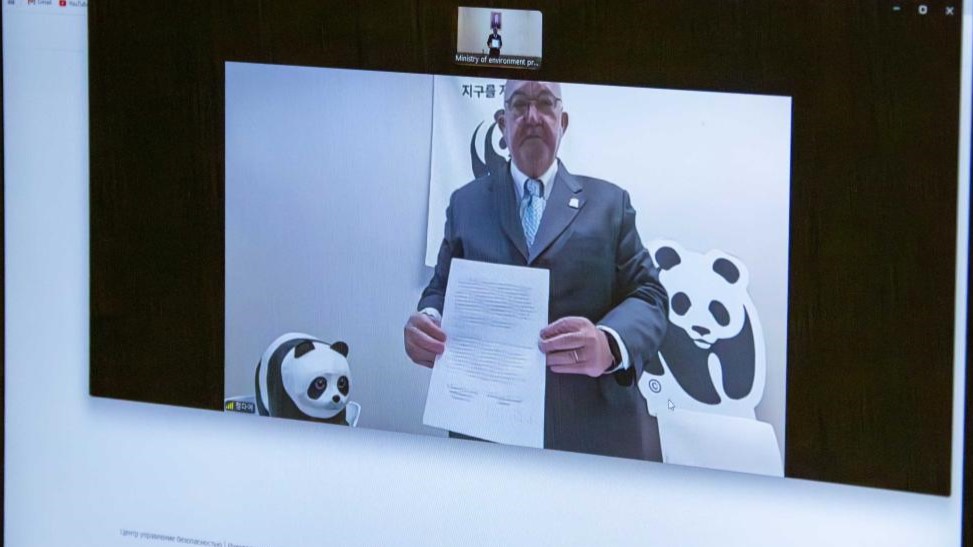
On 31 August 2026, a signing ceremony of the Memorandum of Understanding on cooperation in the field of environmental protection between the Ministry of Environmental Protection of Turkmenistan and the World Wide Fund for Nature (WWF) was held via videoconference, according to the foreign ministry of Turkmenistan.
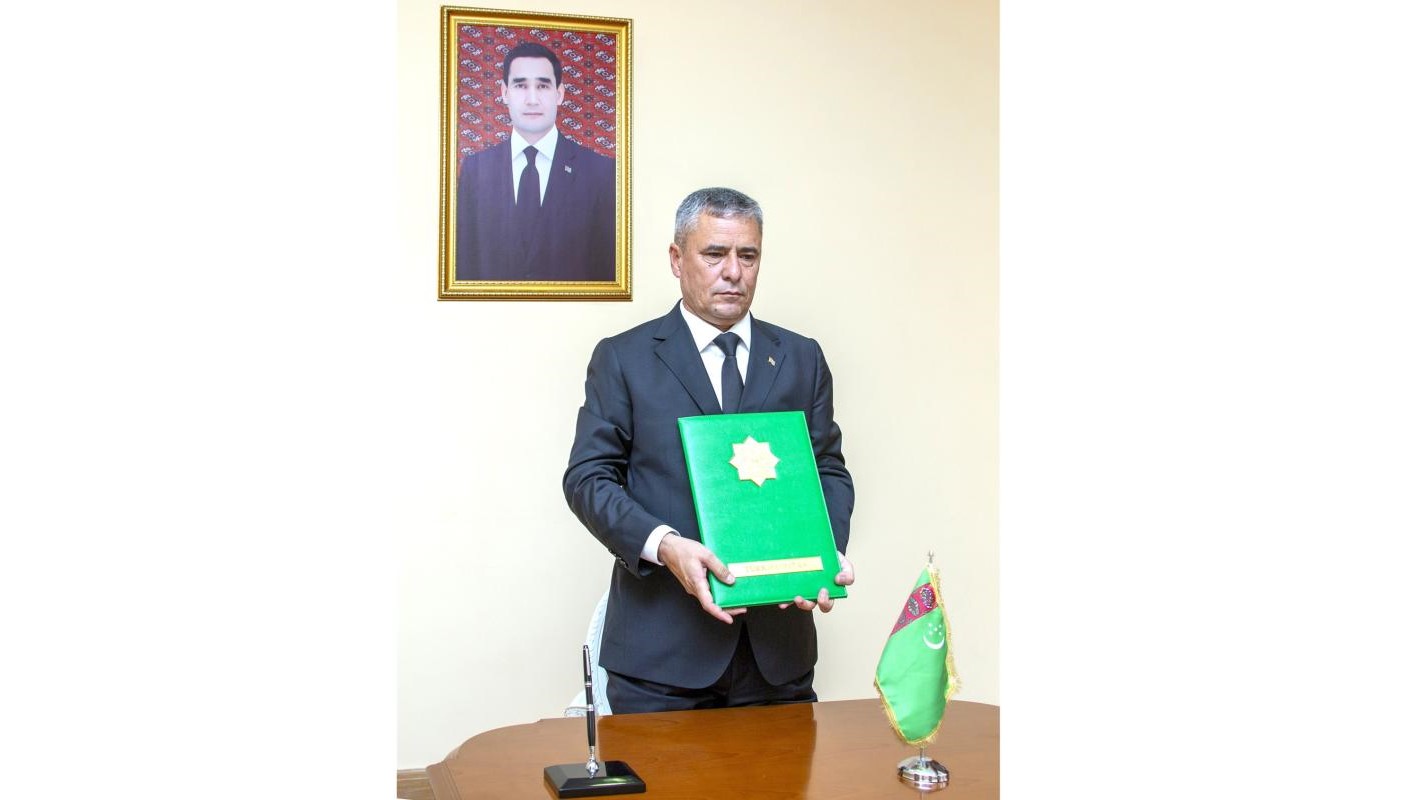
The document was inked by Minister of Environmental Protection of Turkmenistan Ovezgeldi Goshjanov and WWF Regional Director for Eastern, Central Asia and the Pacific Jean-Paul Paddack.
The Memorandum aimed to further strengthen long-term cooperation in the areas of biodiversity conservation, protection of natural ecosystems and endangered species, as well as enhancing resilience to the impacts of climate change.
Under the document, the development of a Joint Projects and Activities Plan for 2026–2030 is envisaged.
Priority areas include wildlife protection, improvement of the system of specially protected natural areas, biodiversity monitoring, conservation and restoration of populations of the Persian leopard, kulan, Bukhara deer, goitered gazelle and Amu Darya shovelnose sturgeon, as well as the protection of rare bird and plant species.
Particular attention will be paid to the development of ecological corridors and buffer zones, conservation and restoration of natural landscapes and ecosystems, environmental education, exchange of scientific knowledge and best practices in nature conservation.
An important area of cooperation will be strengthening transboundary environmental cooperation with the countries of Central Asia.
The parties confirmed their intention to further develop cooperation through the exchange of national experience, the use of international expertise and the mobilization of the necessary resources for the implementation of joint environmental projects and the conservation of Turkmenistan’s unique natural heritage.
The signing of the Memorandum represents an important step towards further developing Turkmenistan’s international cooperation in the field of environmental protection and biodiversity conservation, as well as strengthening environmental diplomacy in the region.
Founded on 29 April 1961, the World Wide Fund for Nature (WWF) has grown to become the world’s largest independent conservation organization. Headquartered in Gland, Switzerland, the organization operates on a global scale, active in over 100 countries and backed by more than 5 million supporters worldwide. Recognized globally by its iconic giant panda logo, WWF focuses its efforts on critical environmental areas, including forests, oceans, freshwater systems, wildlife conservation, climate change, and sustainable food systems.
At its core, WWF is dedicated to protecting nature and halting the destruction of Earth’s natural environment. By safeguarding endangered plant and animal species and promoting sustainable human practices, the organization strives toward a future where humans live in harmony with nature.///nCa, 31 August 2026