


Japan and Turkmenistan are expanding cooperation beyond traditional energy and infrastructure projects, exploring opportunities in artificial intelligence, data centers, circular economy initiatives and human-resource development.
On 30 August, Turkmenistan’s Foreign Minister Rashid Meredov held talks with Japan’s Foreign Minister Toshimitsu Motegi at the Ministry of Foreign Affairs of Turkmenistan.
According to Turkmenistan’s Foreign Ministry, the Turkmen side expressed appreciation to Japan for its support for Turkmenistan’s foreign policy of permanent neutrality.
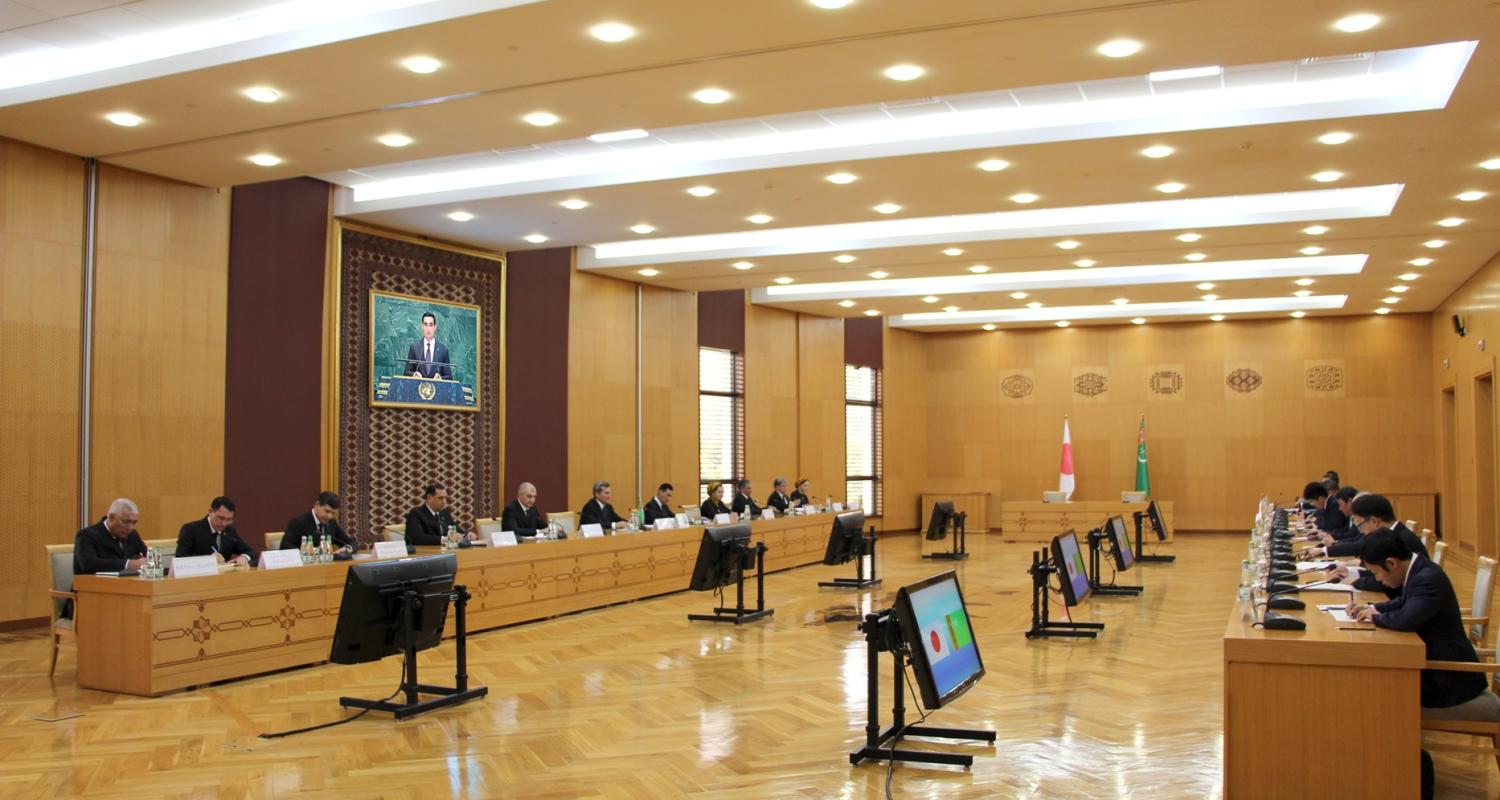
The two sides noted the effectiveness of their coordination within international organizations, particularly the United Nations. They also highlighted the importance of cooperation within the “Central Asia + Japan” framework.
The talks addressed trade and economic cooperation between the two countries, with particular emphasis on cooperation in gas chemicals, electric power, transport and other sectors.
Advanced technologies and artificial intelligence were identified as promising areas for further partnership.
The Japanese side expressed interest in participating in projects aimed at further diversifying Turkmenistan’s economy. In this context, the sides highlighted the successful involvement of Japanese companies in the construction of industrial complexes in Turkmenistan, including Sumitomo Corporation, Toyo Engineering Corporation, Kawasaki Heavy Industries, Ltd., ITOCHU Corporation and Mitsubishi Heavy Industries, Ltd.
The preparations for a meeting of the two countries’ economic committees in Tokyo were also discussed.
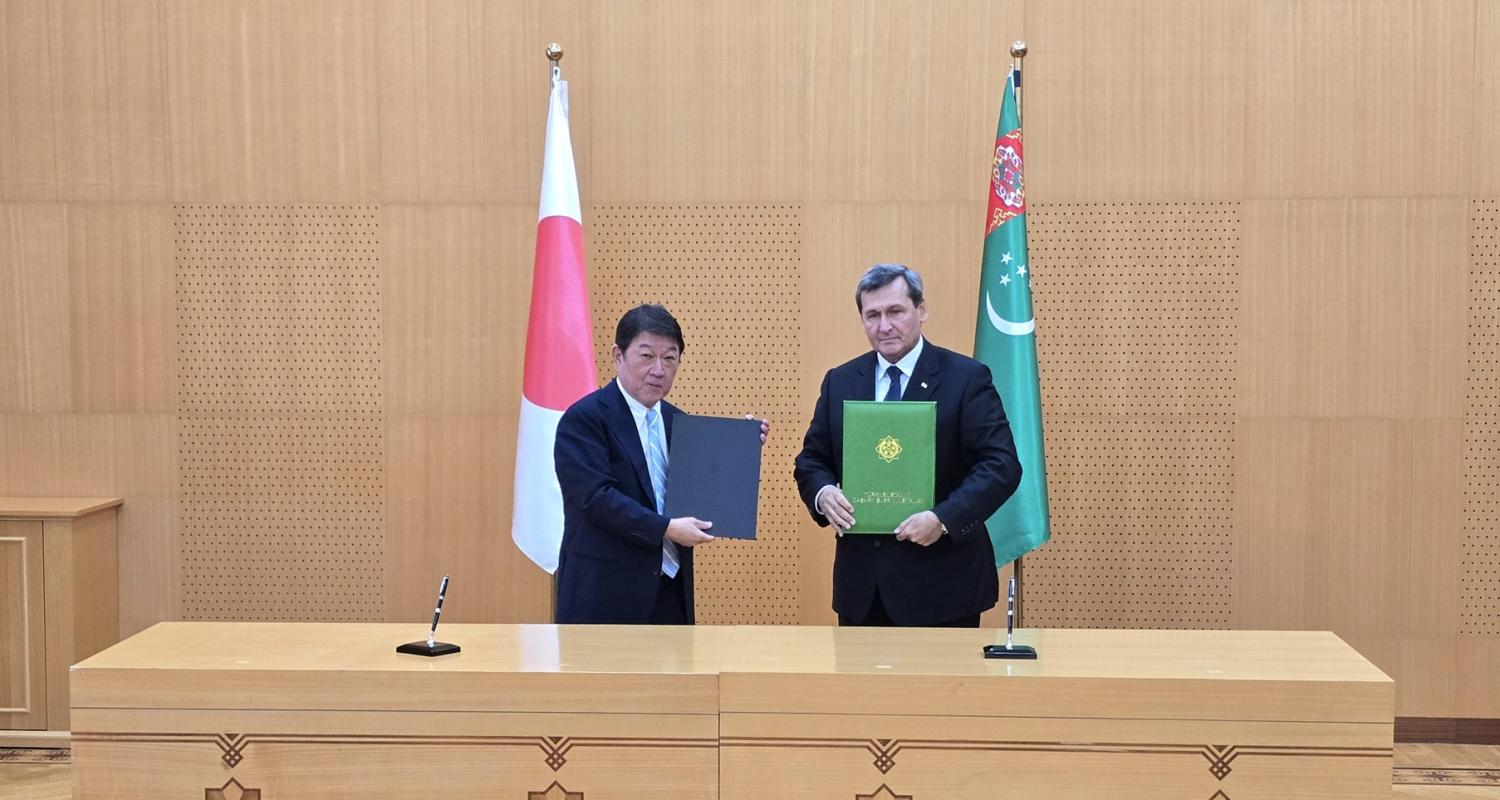
Following the talks, the two foreign ministries signed a Cooperation Programme for 2027–2029.
Press Briefing
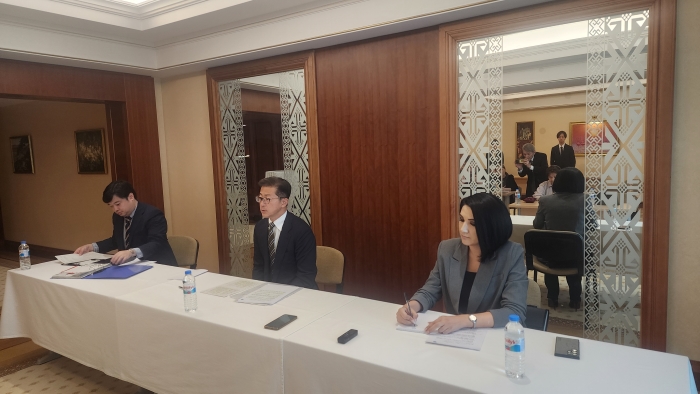
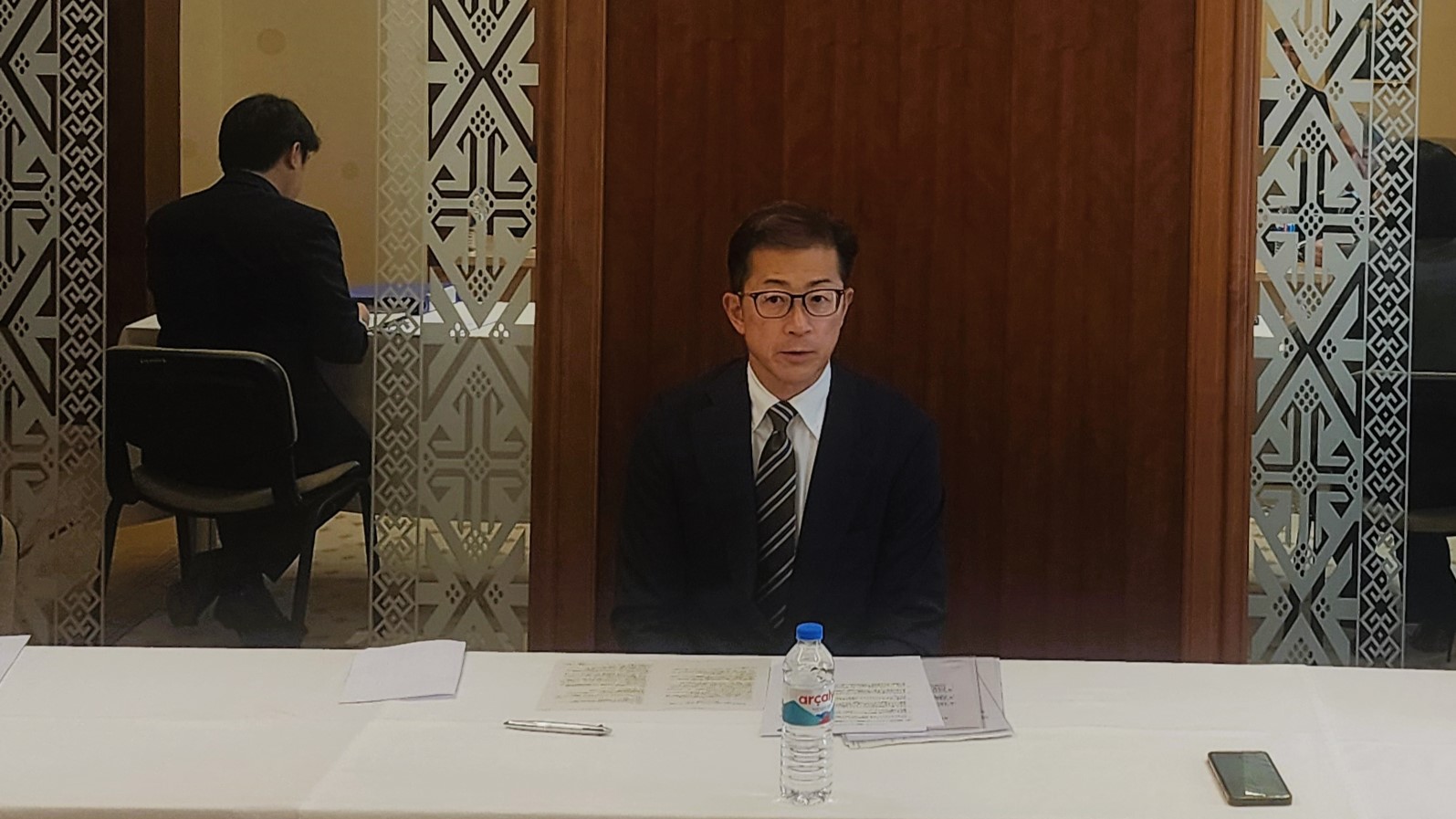
Earlier the same day, Japanese Foreign Ministry Press Secretary Kitamura Toshihiro held a briefing for media representatives in Ashgabat, where he also addressed new areas of Turkmenistan-Japan cooperation.
Kitamura emphasized the complementary nature of the two economies. Turkmenistan is rich in natural resources, including natural gas, while Japan plans to build mutually beneficial relations by combining Turkmenistan’s resources with Japanese advanced technologies and thereby contributing to the development of higher value-added industries in Turkmenistan.
As examples, Kitamura referred to the ammonia plant in Kiyanly and the G2G plant, which produces gasoline from natural gas and was built by a consortium involving Japanese companies.
The briefing highlighted the emergence of a new technological agenda in the Turkmenistan-Japan partnership.
According to the Japanese official, Japan plans to develop new areas of cooperation with Turkmenistan, including environmental protection, particularly the transition toward a circular economy, as well as artificial intelligence.
In the area of the circular economy, Japan is ready to cooperate in fields proposed by Turkmenistan. These include the processing of municipal and industrial waste, water treatment and reuse, and the recycling of plastics and household appliances.
In artificial intelligence, Japan plans to support human-resource development, including online training based at a laboratory of the University of Tokyo, as well as projects related to the development of data centers in Turkmenistan.
At the same time, the areas outlined at the briefing have yet to be translated into specific projects in fields of interest to the Turkmen side. Speaking about data centers, Kitamura said Japanese private companies were interested in the area and would subsequently look for partners among Turkmen companies or work with the government of Turkmenistan.
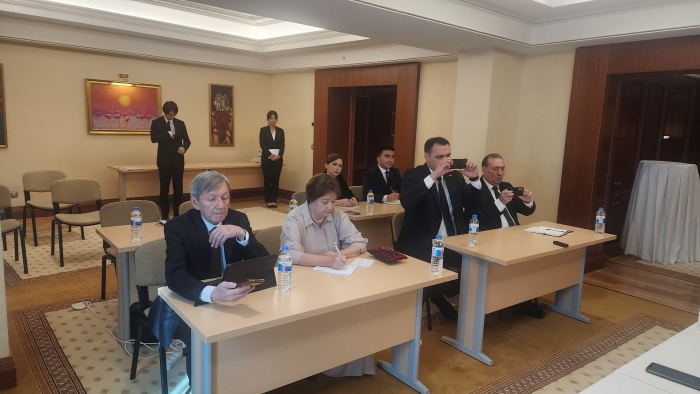
Part of the briefing was devoted to an overview of the “Central Asia + Japan” Dialogue (CA+JAD).
The Japanese side noted the steady expansion of the dialogue, launched in 2004. To date, 10 meetings have been held at the level of foreign ministers, including online meetings. In December last year, the first summit of the leaders of the participating countries was held within the framework. Platforms for meetings among experts, specialists and business representatives are also being developed.
The dialogue identifies three main areas of cooperation: green transformation and resilience, regional connectivity, and human-capital development.
The humanitarian and educational dimension remains an important part of this agenda. Japan has been steadily expanding professional development programmes for young specialists and diplomats from the region. In February this year, a specialized session was held on the rule of law, while a dedicated educational programme for startups in the field of artificial intelligence is scheduled for October.
The latest discussions in Ashgabat suggest that the next stage of Turkmenistan-Japan cooperation is likely to extend beyond established energy and industrial ties, with technology, sustainability and human-capital development becoming increasingly prominent areas of the bilateral agenda. ///nCa, 30 August 2026