Elvira Kadyrova
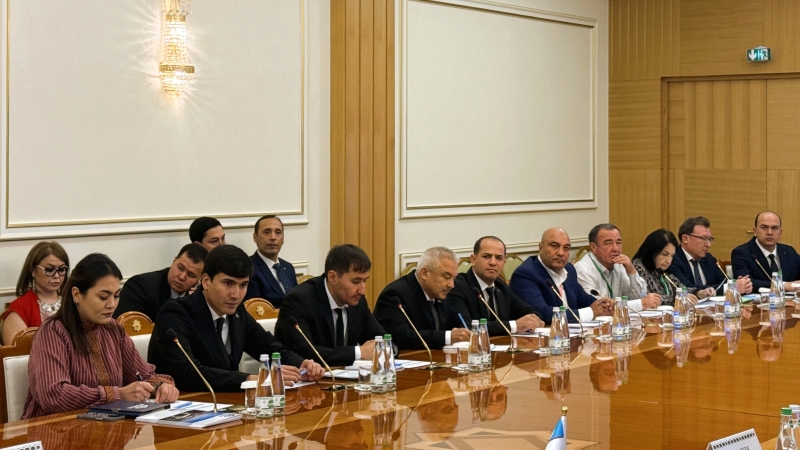
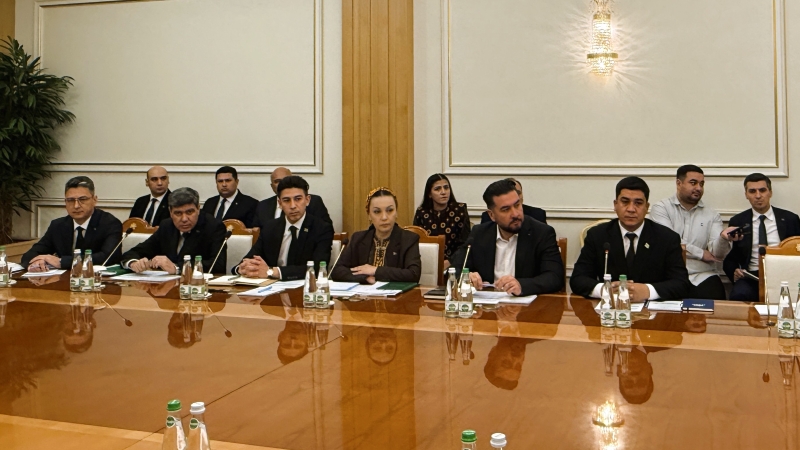
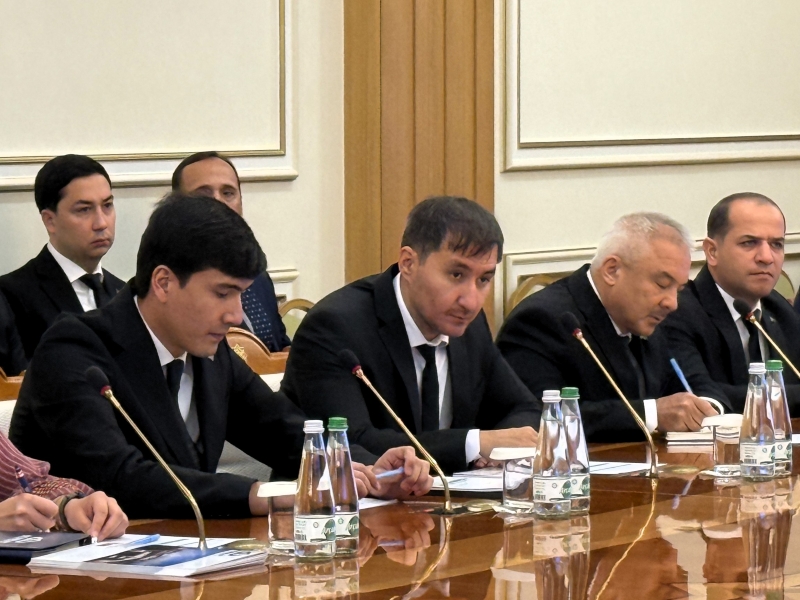
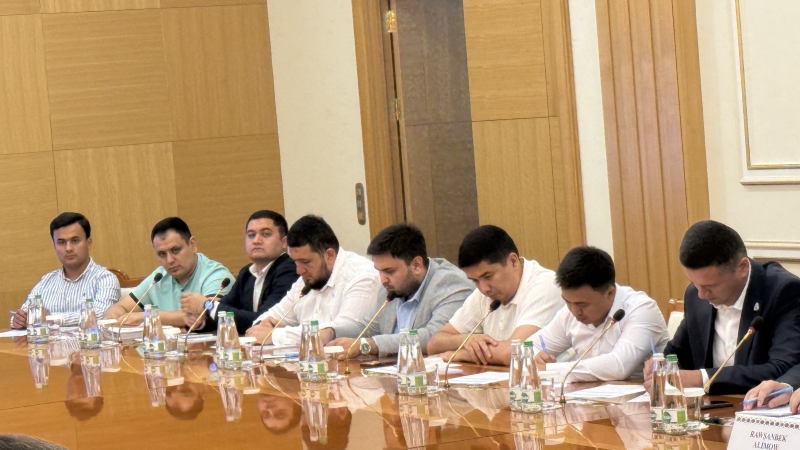
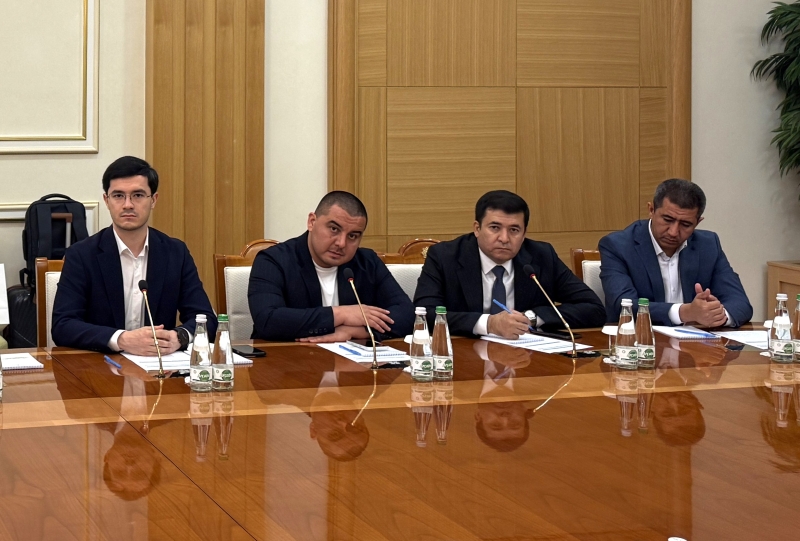
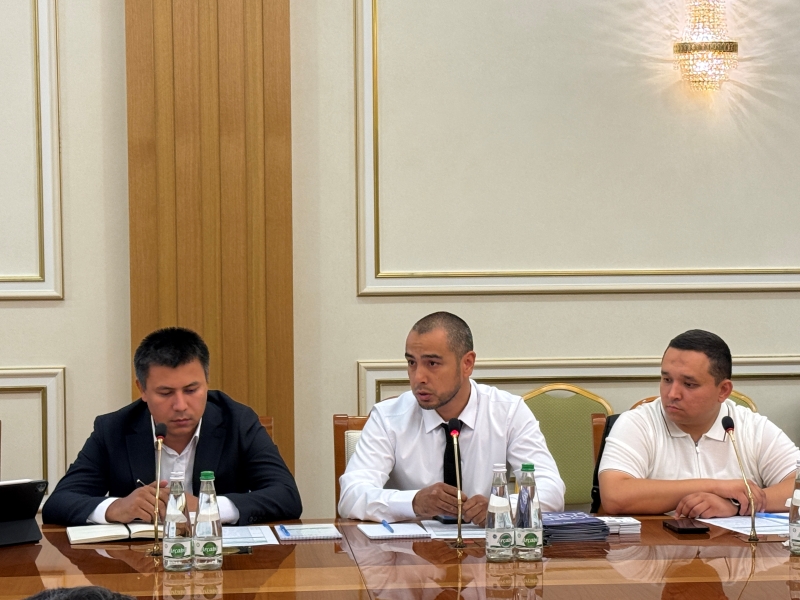
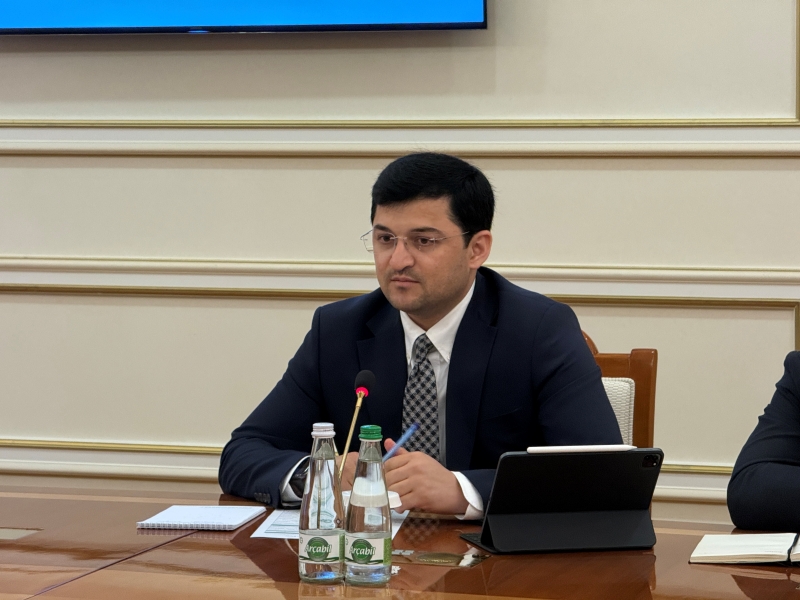
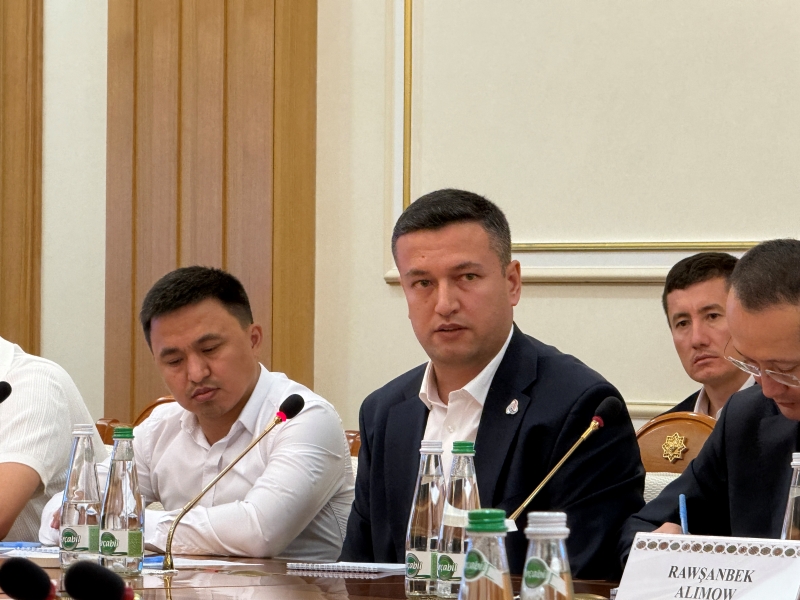
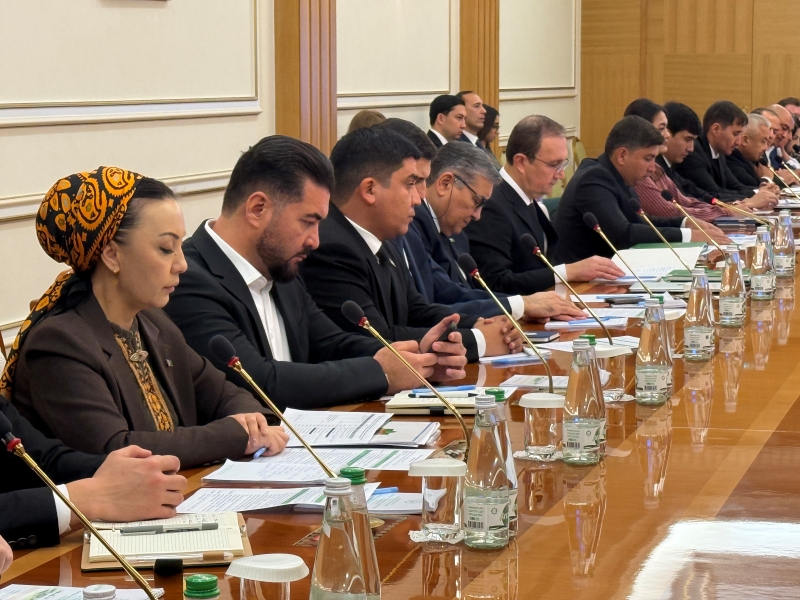
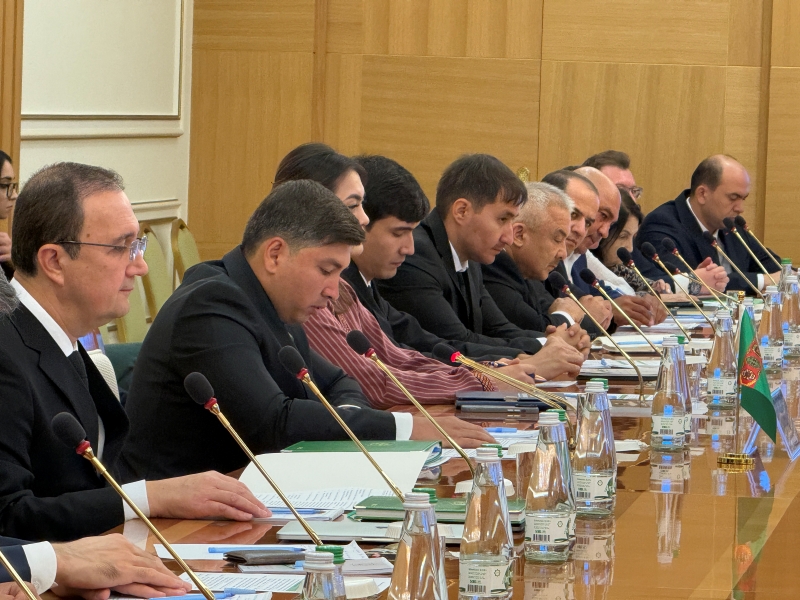
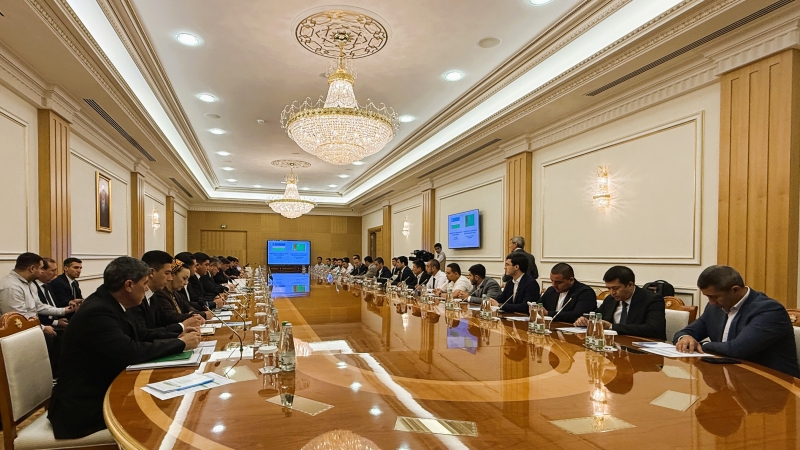
On 26 July, the Chamber of Commerce and Industry of Turkmenistan opened its doors to the Turkmen-Uzbek Business Forum. Bringing together around 20 companies from each side, the event focuses on opening new prospects and identifying strategic growth points across the construction and industrial sectors.
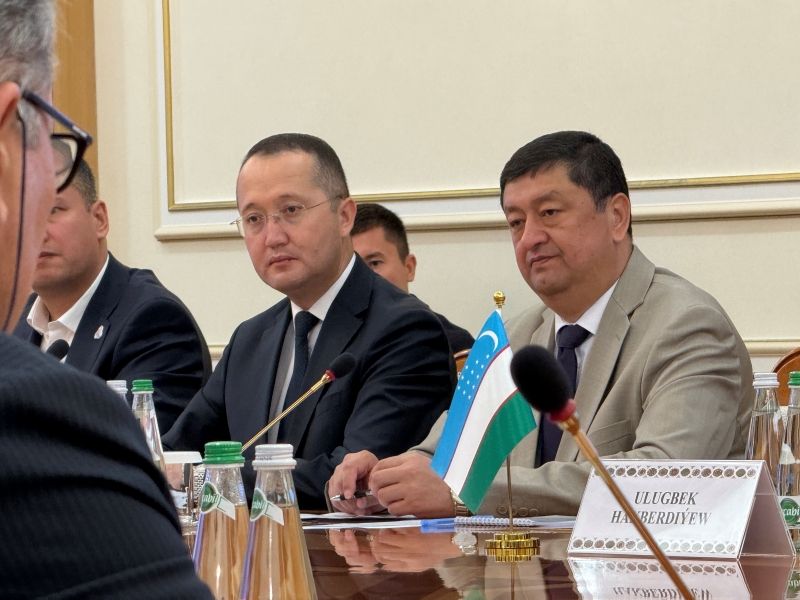
Setting a constructive tone for the meeting, welcoming remarks were delivered by Azat Nazarov, Deputy Chairman of the Chamber of Commerce and Industry of Turkmenistan, Ravshanbek Alimov, Ambassador of Uzbekistan to Turkmenistan, and Ulugbek Khakberdiyev, Deputy Chairman of the Board of the “Uzpromstroymaterialy” Association.
Ambassador Alimov emphasized that fostering industrial cooperation in building materials stands out as one of the most promising avenues, given the large-scale construction programs and deep economic modernization currently underway in both nations.
According to the diplomat, Uzbekistan remains fully committed to expanding industrial interaction, exchanging advanced technologies, setting up joint manufacturing ventures, and establishing reciprocal product deliveries with brotherly Turkmenistan.
The three-day forum is designed to serve as more than just a platform for dialogue; it aims to act as a catalyst for B2B and B2G negotiations expected to turn into tangible joint projects. The scope of cooperation covers a wide array of areas:
- Production of construction and paint materials;
- Manufacture of sandwich panels, metal structures, and thermal insulation;
- Fabrication of decorative raw materials, board materials, and non-metallic mineral products;
- Supply of profiles, fittings, rubber, and plastic items;
- Output of metal products, cast iron, steel, ferroalloys, self-tapping screws, and other building supplies.
The Uzbek business community is represented at the forum by key industry leaders, including Original Color Mix (paints and coatings), AKFA Group (building materials, sandwich panels, metal structures), KHAT DECOR (decorative raw materials and tile products), Khorezm Insulation Group (metal and mineral products), Pipe Metal (profiles and fittings), Basalt Wool (thermal insulation), Azia Metal Prof (cast iron, steel, ferroalloys, A500C rebar, wire rod, drywall profiles, and road guardrails), Power Crane (overhead and gantry cranes), Jizzakh Insulation (plastic products), and MEXMASH (manufacture of self-tapping screws).
A key participant in the event is the “Uzpromstroymaterialy” Association—a powerful bridge between the state and private manufacturers, bringing together over 10,000 enterprises. This industrial powerhouse produces more than 200 types of items, accounts for $2 billion in investment and $2 billion in export volume, and supplies building materials to over 60 countries worldwide.
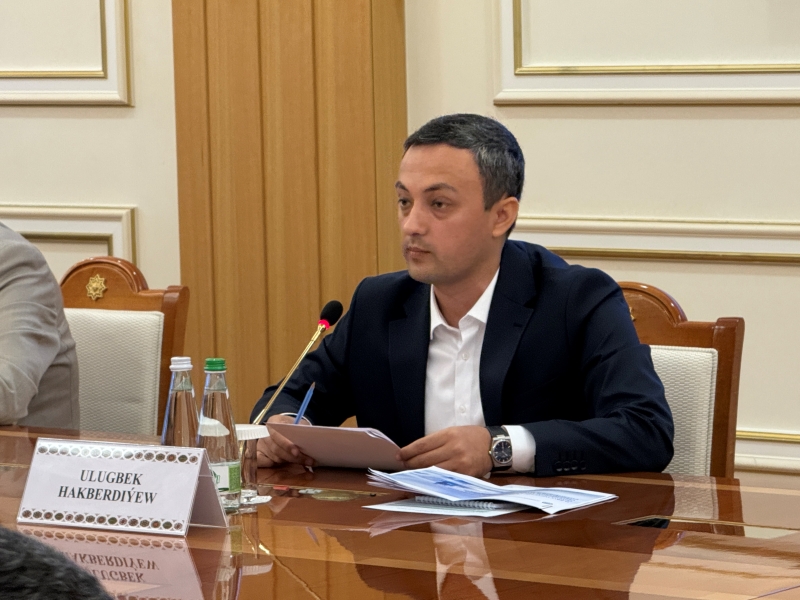
Ulugbek Hakberdiyev, Deputy Chairman of the Board of “Uzpromstroymaterialy”, noted that Tashkent attaches special importance to its ties with Ashgabat. Currently, Uzbekistan’s exports of construction materials to Turkmenistan stand at $37 million.
“We are ready to intensify direct links between the enterprises of our two countries, boost supplies of high-demand products, and implement joint investment projects,” Hakberdiyev stated.
Mekan Sopyev, Head of the Foreign Economic Relations Department at Turkmenistan’s Ministry of Industry and Construction Production, underscored the practical stability of existing trade routes. He cited long-standing bilateral exchanges as a prime example: Turkmenistan routinely exports cement, glassware, and aerated concrete to Uzbekistan, while importing soda ash, an essential component for its domestic glass industry.
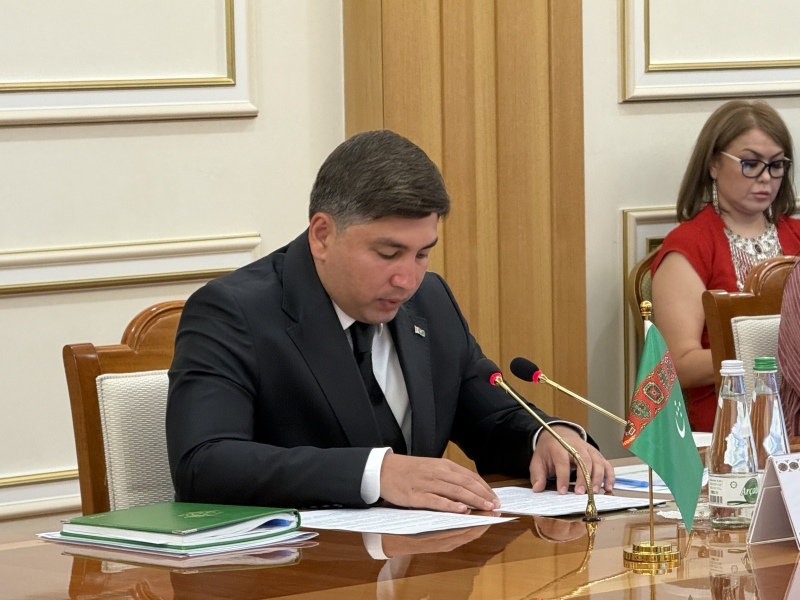
“The Turkmen side is always open to discussing positive ideas and constructive proposals, and remains committed to responsible, reliable partnership,” he concluded.
Presenting their capabilities, Uzbek manufacturers stressed that while many have already established a strong presence across Central Asia, the CIS, and Europe, they view the Turkmen market as strategic. The potential for bilateral cooperation is far from exhausted, with favorable conditions in place to scale up trade, attract investment, and integrate digital manufacturing solutions.
Concluding the official proceedings, Azat Nazarov underscored that entrepreneurs themselves are best positioned to promptly identify flexible formats of cooperation, build resilient supply chains, expand two-way deliveries, and launch competitive production lines.
The Chamber of Commerce and Industry of Turkmenistan reaffirmed its readiness to provide comprehensive support in fostering business contacts with Uzbekistan, organizing trade missions, holding exhibitions and forums, and driving deeper partnership between the business communities of both nations. /// nCa, 27 July 2026
Here are some photos from the event: