


nCa Report
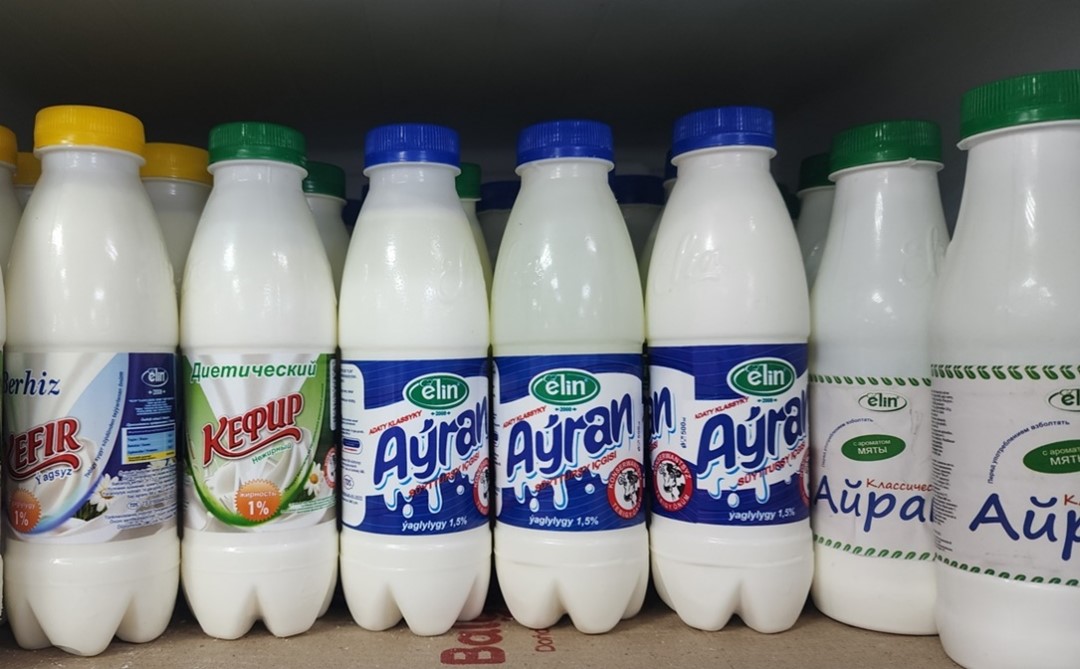
In recent years, Turkmenistan’s agricultural and processing sectors have undergone a profound transformation. What is visible on supermarket shelves in Ashgabat—and mirrored in retail networks across the country—reflects far more than a standard commercial assortment.
It is a testament to a comprehensive, multi-tiered industrial success story that spans from primary livestock breeding to sophisticated supply chain calibration and retail distribution.
The Foundation: Breed Selection, Integrated Farms, and the Production Cycle
At the very base of Turkmenistan’s dairy triumph is an exhaustive, patient process of primary production.
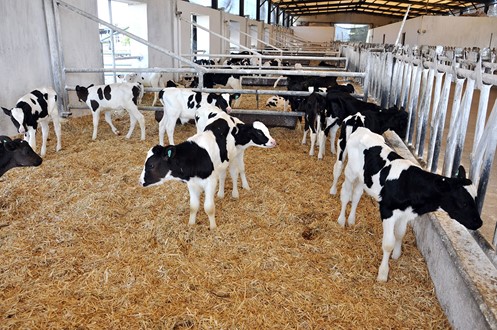
Dozens of integrated agricultural complexes operate across the country with their own dedicated herds and expansive grazing grounds, representing an A-to-Z production cycle.
- Herd and Breed Optimization: Achieving high-yield dairy production in an arid climate required long years of meticulous livestock breeding and herd selection. Farms have systematically refined the balance between optimal fodder composition and milk yield, ensuring healthy cattle adapted to local conditions.
- Integrated Complexes: Modernized hubs—such as large-scale livestock and dairy complexes in the Ahal, Mary, and Dashoguz regions—manage everything from feed cultivation and veterinary care to milking and initial cooling under strict hygienic standards.
- Collaborative Ecosystem: Alongside fully integrated mega-farms, dozens of specialized processing enterprises aggregate raw milk sourced from collective farms (daikhan associations) and independent private farmers, integrating rural producers directly into the national industrial economy.
Technological Synergy: The Private Sector Learning Curve
The processing tier of Turkmenistan’s dairy sector highlights the vitality and adaptability of the country’s private enterprise.
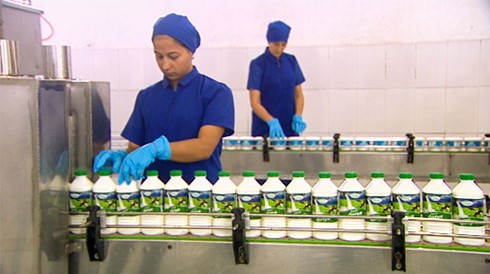
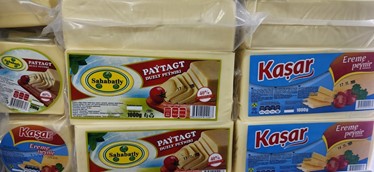
- Blending Global Know-How with Local Expertise: Local private producers—operating brands such as Täze Aý, Sahabatly, Gönezlik, Şawat, and Ak Çeşme—pioneered a genuine learning curve by testing machinery, pasteurization lines, and packaging technologies from multiple international markets.
- State-of-the-Art Facilities: Through strategic investments and post-privatization modernization (such as the revamping of regional plants like Şawat in Dashoguz), enterprises have successfully fused imported industrial machinery and processing know-how with local technical expertise.
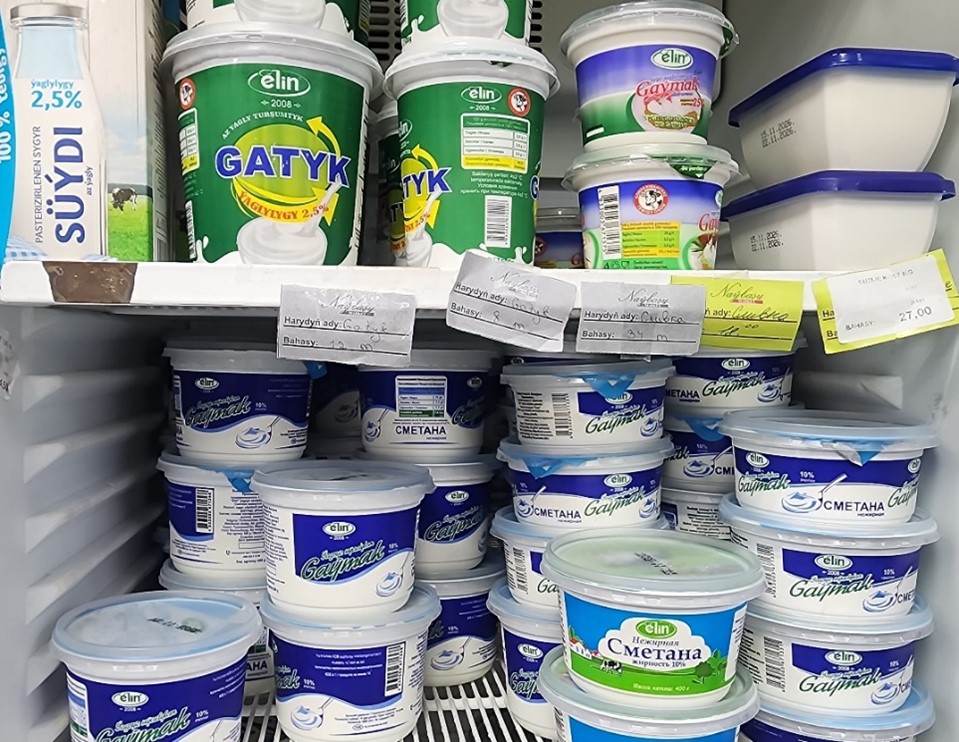
- Product Diversification: Today, these facilities turn out a broad spectrum of items—ranging from pasteurized milk (süýdi), traditional fermented items (gatyk, kefir, ayran), and sour cream (smetana) to cottage cheese (suzme), butter, and various cheeses (Kaşar, processed spreadable cheeses).
Supply Chain Agility: Mastery of Logistics and Daily Calibration
Because dairy goods possess a relatively short shelf life, they represent the ultimate test of supply chain management and logistical precision.
- Day-to-Day Calibration: Turkmen dairy processors have mastered the art of real-time demand forecasting. Production volumes are meticulously calibrated on a day-to-day basis, ensuring that processing plants precisely match shifting consumer demands without creating excess waste or shortages.
- Sprawling Retail Integration: Maintaining the cold chain and ensuring consistent stock across a sprawling retail network—from neighborhood markets to sprawling supermarkets in Ashgabat and regional velayats—demonstrates advanced logistical coordination.
- Economic Reliability: This seamless synchronization from farm gate to refrigerator shelf proves that Turkmenistan has mastered the complex arts and sciences of modern supply chain management, positioning the nation as a reliable and structured partner in broader regional economic networks.
Market Confidence: Healthy Competition and Open Shelves
A vital economic indicator of the domestic dairy sector’s maturity is its relationship with international trade.
- Unrestricted Market Access: Shoppers browsing local supermarket shelves will notice select imported dairy items sitting alongside domestic products.
- Absence of Prohibitive Barriers: The competitive pricing of these imported goods indicates that there are no punitive or prohibitive import duties restricting foreign entry.
- Self-Assurance and Quality: This openness signals profound market confidence. Rather than sheltering domestic producers behind protective trade walls, Turkmenistan’s dairy industry thrives on quality, freshness, and consumer trust, proving that local brands compete successfully on merit and operational excellence.

Conclusion
The success of Turkmenistan’s dairy industry is multi-tiered, resilient, and deeply systemic. By harmonizing rigorous herd management, private sector ingenuity, agile day-to-day logistics, and open-market confidence, the country has transformed its agricultural landscape. The dairy aisle is no longer just a reflection of local food security; it stands as a shining showcase of Turkmenistan’s advanced industrial capabilities and supply chain mastery. /// nCa, 24 November 2026 (pictures credit nCa, TDH, Business Turkmenistan)