


Elvira Kadyrova and Liliya Zhirnova
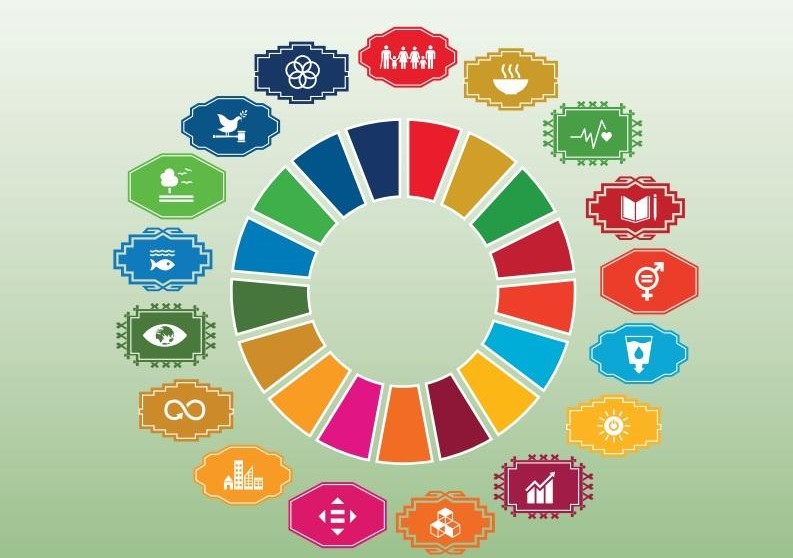
The recent series of practical workshops on SDG localization across Turkmenistan’s regions—jointly organized by UNDP and the Ministry of Finance and Economy—highlights a crucial aspect of modern international development: real impact happens at the grassroots level.
When specialized UN agencies such as UNDP, UNICEF, UNFPA, and the overarching Resident Coordinator’s Office (RCO) in Turkmenistan—alongside international partners like the OSCE, the European Union, GIZ, and similar organizations worldwide—engage directly with local communities, they create lasting change.
Their work covers an expansive spectrum: building institutional capacity, expanding knowledge frontiers, raising public awareness, and conducting hands-on workshops that empower people to adopt better practices. While any single workshop or initiative may seem modest on its own, their collective, cumulative effect is undeniable. They are making a tangible difference, and this work deserves clear recognition.
To truly appreciate why these initiatives succeed, we must acknowledge three vital pillars that make them possible:
1. Visionary Leadership
The strategic orientation of international organizations depends on leaders who recognize that global goals cannot remain abstract policies debated in capital cities. The commitment of agency leaders to push for regional localization, field-level engagement, and practical capacity-building ensures that resources and expertise reach where they are needed most.
2. Strong Host Government Collaboration
No international initiative can succeed in a vacuum. The active cooperation, trust, and co-ownership demonstrated by host governments—such as Turkmenistan’s Ministry of Finance and Economy and regional authorities in this case—provide the necessary framework for these programs to thrive.
By opening doors, aligning national priorities with local needs, and facilitating cross-sectoral participation, host governments ensure that technical assistance translates into sustained policy and action.
3. Local Expertise and Institutional Memory
Behind every successful event is the dedicated local staff of these international organizations. Bringing deep context, linguistic fluency, technical expertise, and years of institutional memory, local teams form the indispensable backbone of development work.
Without their day-to-day commitment, cultural understanding, and operational agility, no global strategy could be effectively implemented on the ground.
Looking Ahead
Every local workshop, capacity-building session, and regional consultation adds a building block to a resilient future. By continuing to nurture this synergy between international leadership, government partnership, and local expertise, we ensure that the 2030 Agenda moves from paper to practice—leaving no region or community behind. /// nCa, 13 October 2026