


Elvira Kadyrova and Tariq Saeedi
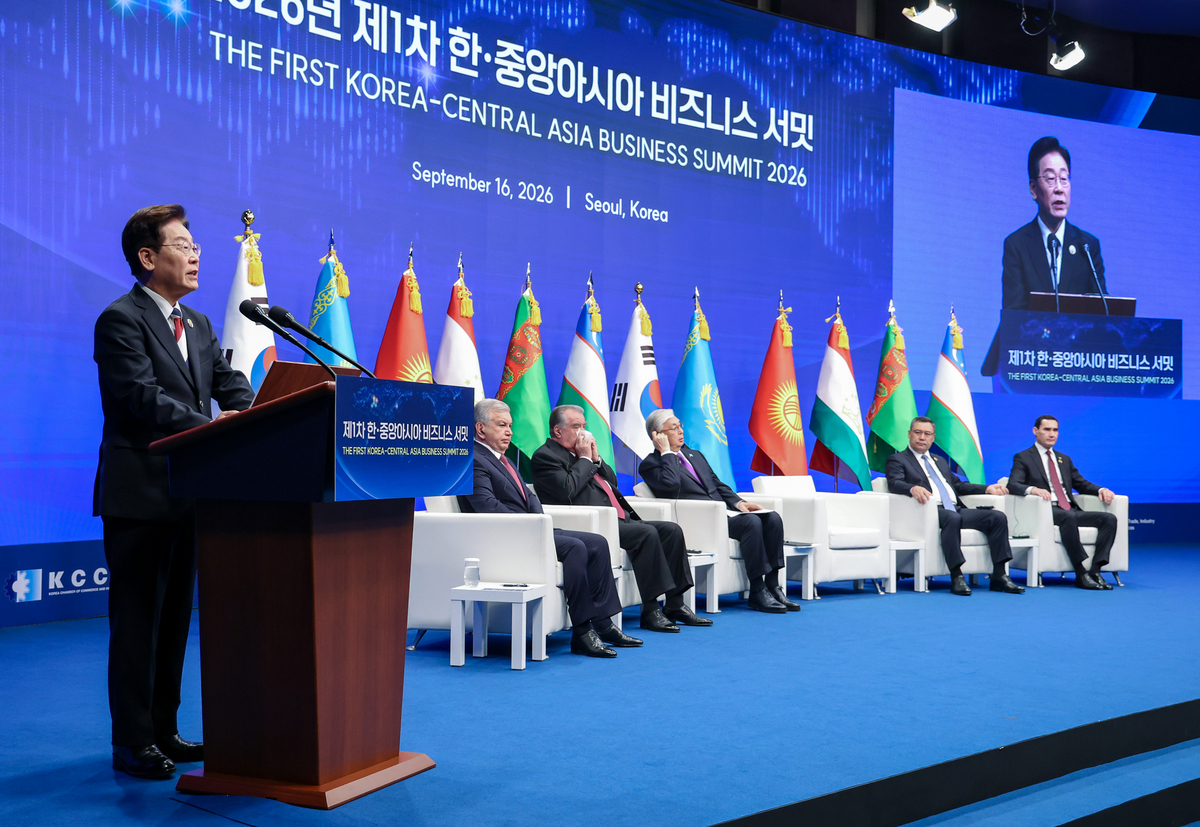
The conclusion of the historic, first-ever Korea-Central Asia Summit in Seoul marked a definitive structural shift in Eurasian diplomacy.
While initial global coverage rightly focused on the immediate deliverables of the Seoul Declaration—including the institutionalization of biennial summits and the blueprint for South Korea’s “K-Silk Road” strategy—the true value of this gathering lies in its long-term trajectory.
As both regions look toward the future, the “way forward” is not merely about executing the dozens of Memorandums of Understanding (MOUs) signed in Seoul. Rather, it also requires navigating a deeply synchronized partnership that redefines how advanced mid-powers and resource-rich regions interact.
Moving forward, the blueprint for the Korea-Central Asia relationship will be defined by three pillar dimensions: value-chain localization, pragmatic multi-vector diplomacy, and micro-institutional bureaucracy.
1. From Extraction to Localization: Industrial Upgrading
For decades, external powers have largely viewed Central Asia through an extraction-first lens—a repository of oil, gas, and critical minerals to be transported away. The definitive “way forward” established in Seoul turns this paradigm on its head. South Korea’s strategy explicitly shifts the focus toward technology transfer, local capacity building, and value-chain localization.
The path ahead will be anchored by projects like the South Korean-led rare metals centers established across the region. By training a highly skilled local workforce and building domestic processing hubs, Korea is positioning itself as a “fair-trade” partner. For the Central Asian republics, the partnership offers a tangible ladder to climb the global industrial value chain.
Instead of simply exporting raw lithium, uranium, or rare earths, the region is paving the way to process these materials domestically, transforming Central Asia into an indispensable, high-tech manufacturing node on the Eurasian continent.
2. A New Paradigm for Pragmatic, Multi-Vector Diplomacy
Geopolitically, the summit demonstrated a sophisticated understanding of contemporary international relations. While global commentators often try to frame external engagements with Central Asia as a zero-sum game designed to pull the region away from traditional neighbors, South Korea and the C5 have deliberately charted a different course.
The way forward relies on a shared commitment to pragmatic, non-political diplomacy.
As an advanced democratic mid-power, South Korea carries no historical baggage of regional dominance, nor does it demand ideological or political alignment. This makes Seoul a uniquely comfortable partner for Central Asian states looking to expand their multi-vector foreign policies.
By deepening ties with South Korea, Central Asia secures access to world-class technological infrastructure, digital governance tools, and economic diversification without entangling itself in superpower rivalries. It represents a clean, mutual blueprint for economic resilience.
3. Institutionalizing the Vision: From Macro Pledges to Micro Progress
The grand visions of summits often stall in the corridors of bureaucracy. To prevent this, the operational way forward will be quietly governed by the newly agreed-upon micro-institutional frameworks, specifically the establishment of dedicated “Korean Desks” and Industry Ministers’ consultative bodies within each of the five Central Asian republics.
The success of the next decade rests on these desks. They are designed to act as institutional fast-tracks—cutting through bureaucratic friction, streamlining customs regulations, harmonizing intellectual property rights, and providing direct channels for major corporate investments. Whichever nations activate and utilize these desks most efficiently will likely see the fastest realization of the summit’s promised economic windfalls.
Furthermore, this institutional framework is reinforced by an unmatched soft-power bedrock. The unique cultural bridge of the Koryo-saram (ethnic Korean) diaspora, combined with expanded youth exchange programs and joint university initiatives, ensures that the partnership is anchored at the grassroots level.
A Shared Eurasian Destiny
The Korea-Central Asia partnership is entering an era characterized by mutual strategic reliance. For South Korea, Central Asia represents a vital hedge against global supply chain vulnerabilities and maritime bottlenecks. For Central Asia, South Korea is a premier gateway to technological modernization and industrial self-reliance.
By moving past the old models of transactional resource diplomacy and focusing on holistic, institutionalized economic integration, Seoul and the Central Asian capitals are doing more than just signing agreements. They are building a resilient, high-tech corridor that will shape the economic geography of Eurasia for generations to come. /// nCa, 23 September 2026 (photo credit – The Seoul Economic Daily)