


Social partnership, decent work, labour disputes, digitalization and the exchange of experience were among the key topics discussed at a roundtable hosted by the Federation of Trade Unions of Kazakhstan during a visit by a delegation of the National Trade Union Centre of Turkmenistan.
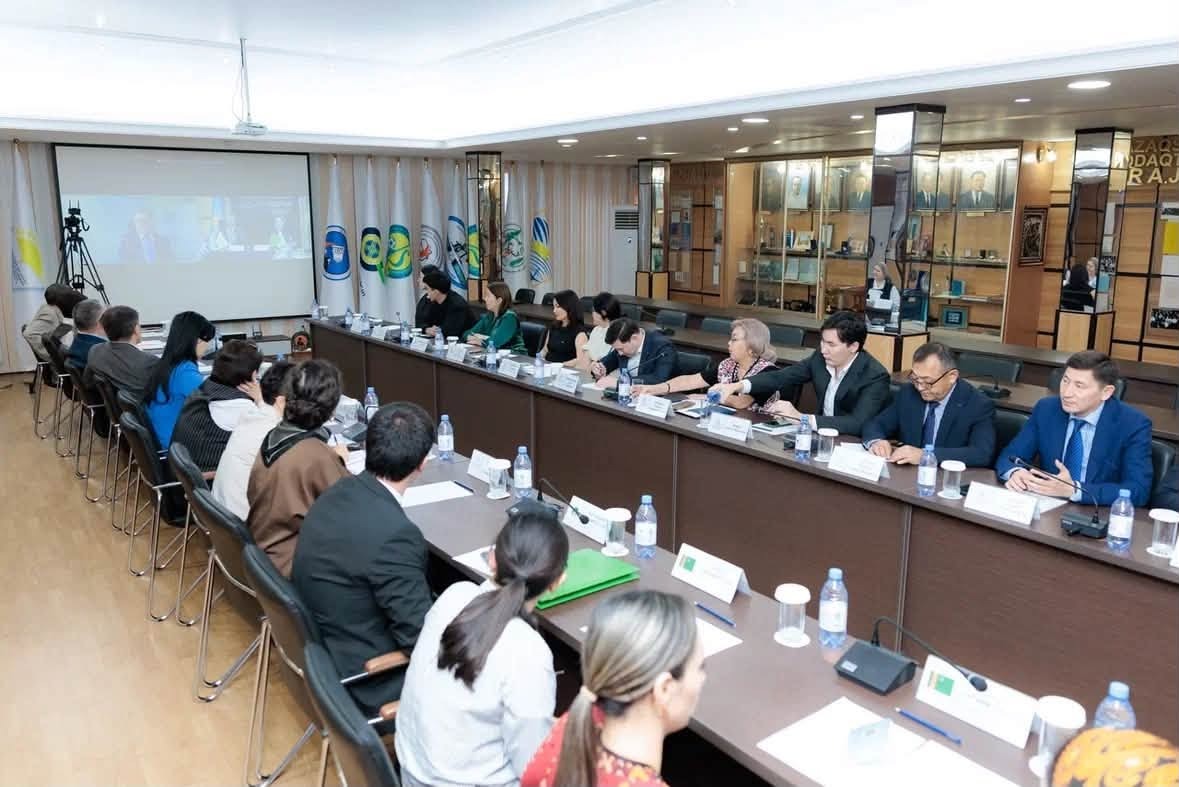
An international roundtable titled “Strengthening Social Dialogue and the Role of Trade Unions in Promoting Decent Work: Experience of Kazakhstan and Turkmenistan” was held in Astana on 11 September.
The Federation of Trade Unions of Kazakhstan shared its practical experience in developing social partnership and protecting workers’ rights.
Chairman of the Federation Satybaldy Dauletalin highlighted the functioning of tripartite commissions at the national, sectoral and regional levels. To strengthen the binding nature of their decisions and enhance the role of social dialogue, the Kazakh side has drafted a law on social partnership.
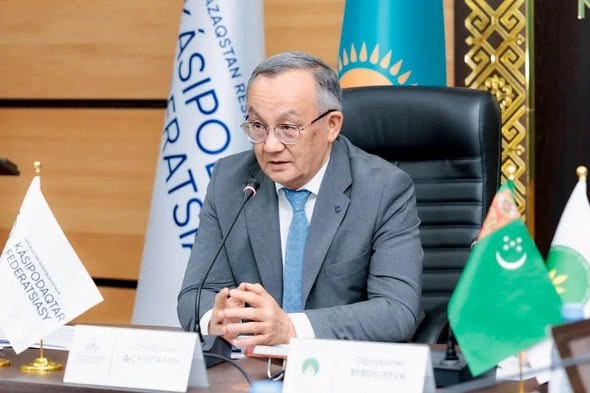
Kazakhstan has also introduced a number of practical solutions to improve the collective bargaining system, including a National Register of Collective Agreements, basic and variable collective agreement standards, and a digital collective agreement builder.
The Federation also announced the launch of a digital “Social Barometer”, designed to monitor situations at enterprises and identify potential sources of social tension at an early stage, helping prevent labour disputes.
Deputy Chairman of the Federation Gulnara Zhumageldieva presented the results of systematic efforts to prevent workplace disputes. According to her, the number of labour conflicts fell by 58% in 2025. She also spoke about large-scale labour consultations and training seminars on conflict resolution involving tens of thousands of workers.
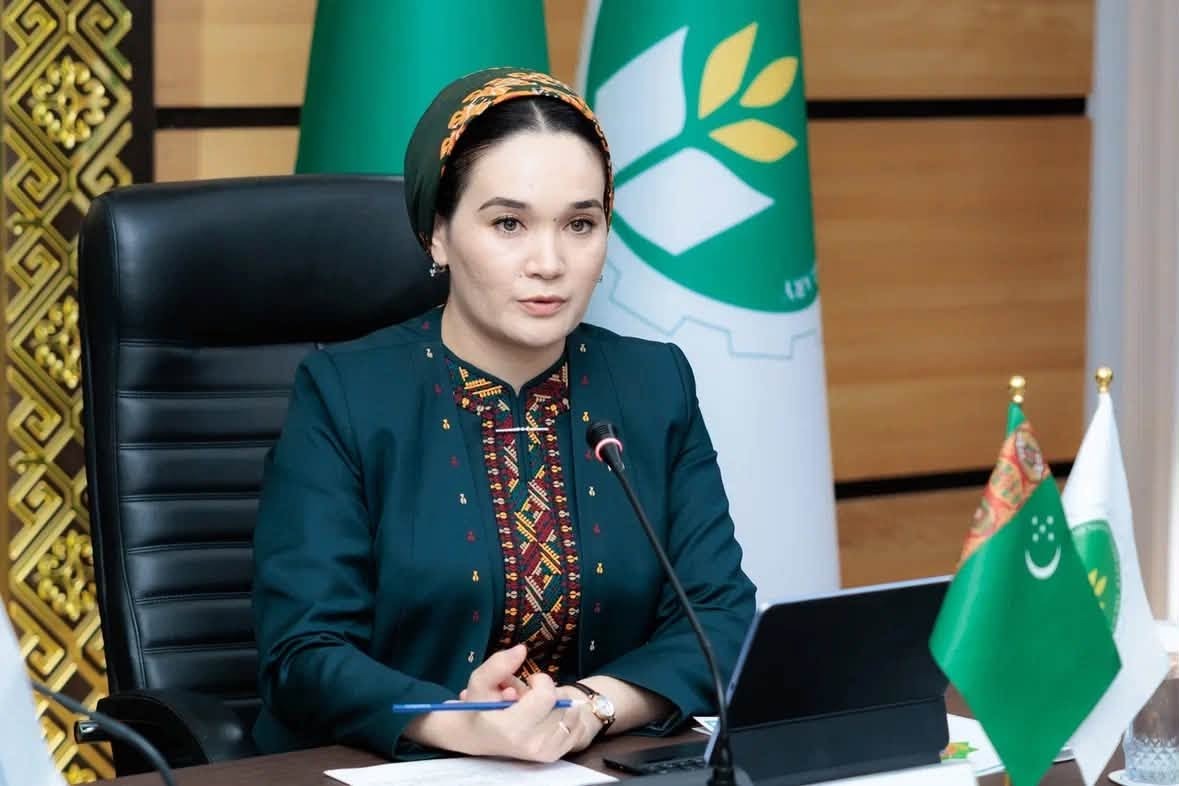
For Turkmenistan’s trade unions, the protection of labour rights, occupational safety and the development of social partnership are also key priorities. Chairwoman of the National Trade Union Centre of Turkmenistan Oguljennet Berdilieva stressed that new technologies, digitalization, the emergence of new professions and changing forms of employment require trade union mechanisms to evolve continuously.
The Turkmen side expressed interest in expanding the exchange of experience with Kazakhstan, participating in International Labour Organization (ILO) events and drawing on international practices while taking national specificities into account.
The topic of social partnership was also addressed by Mekan Babaev, Head of the Department of International Cooperation at the National Trade Union Centre of Turkmenistan.
“In Turkmenistan, social partnership is viewed as an important mechanism for interaction between the state, employers and workers. Its legal framework includes the Labour Code of Turkmenistan, the Law of Turkmenistan ‘On Trade Unions, Their Rights and Guarantees of Activity’, as well as the Law ‘On the Tripartite Commission for the Regulation of Social and Labour Relations’,” he said.
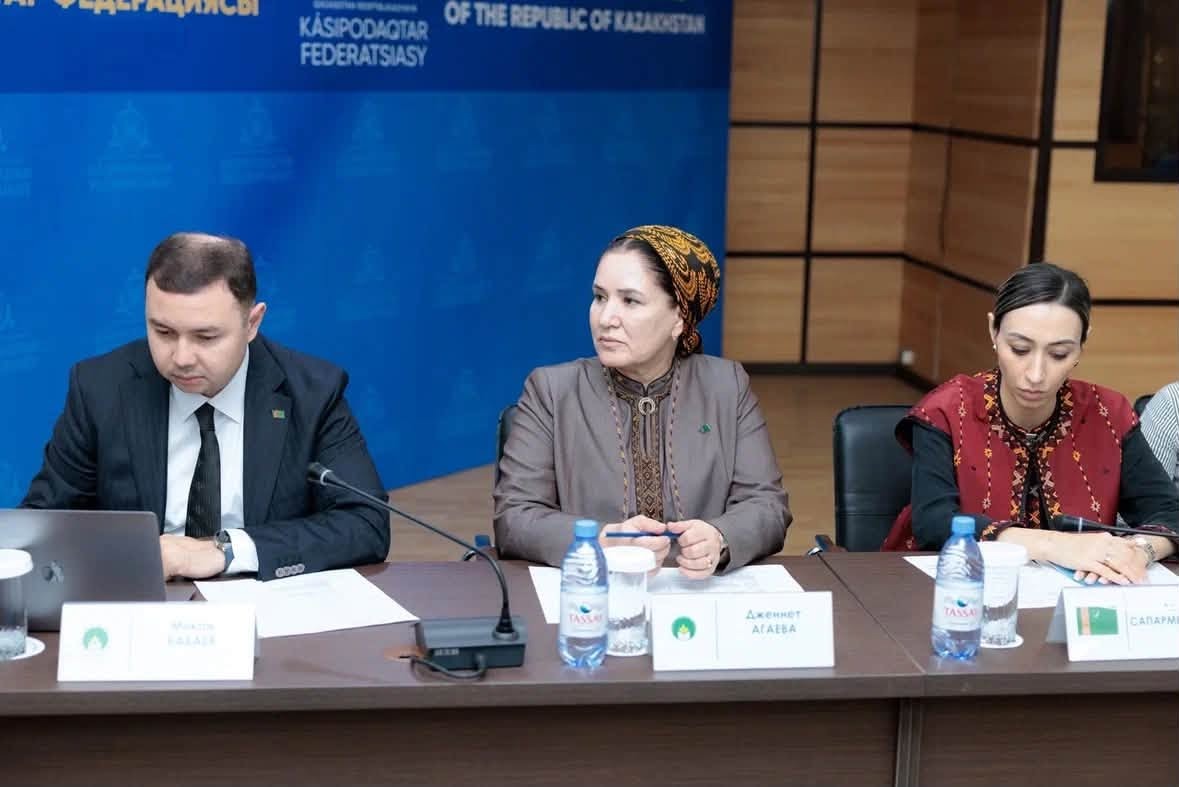
Babaev also highlighted the importance of exchanging experience with Kazakhstan. “There are no universal solutions that can simply be transferred from one country to another. But professional exchange expands opportunities to develop our own, more effective approaches,” he said.
According to Babaev, the National Trade Union Centre of Turkmenistan is interested in further developing contacts with the Federation of Trade Unions of the Republic of Kazakhstan, exchanging experience and working together on current issues facing the trade union movement.
Sergius Glovackas, Head of the ILO/ACTRAV Desk for Europe and Central Asia, joined the discussion via videoconference from Geneva.
He highlighted the importance of the first official visit of the National Trade Union Centre of Turkmenistan delegation to Kazakhstan and the signing of the Memorandum between the two countries’ trade union organizations.
According to the ILO representative, Central Asian countries face a number of common challenges, including changes in the labour market, climate risks, digitalization and the impact of new technologies on employment and working conditions. Regular exchanges of experience between trade union organizations are therefore becoming increasingly important.
The roundtable demonstrated that cooperation between the trade unions of Turkmenistan and Kazakhstan can be translated into concrete mechanisms for sharing practices and expertise. Together with the Memorandum of Understanding and Cooperation signed in Astana, the agreements reached at the meeting provide a more systematic foundation for interaction between the two countries’ trade union organizations at both national and sectoral levels.///nCa, 13 September 2026