


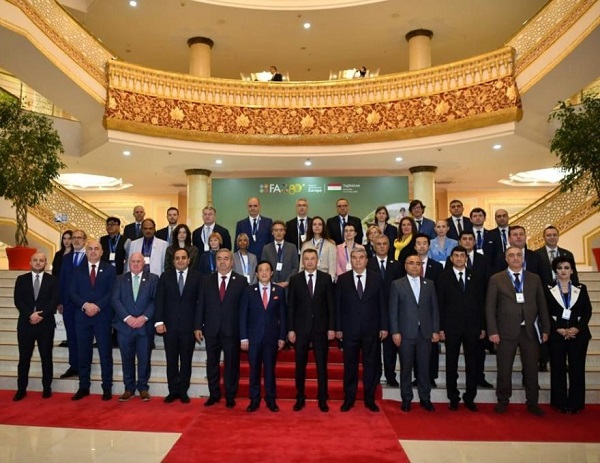
On 11–12 May 2026, a delegation from Turkmenistan, headed by the Minister of Agriculture Charyyar Chetiyev, participated in the 35th Session of the Regional Conference for Europe (ERC35) of the Food and Agriculture Organization of the United Nations (FAO). The conference, held in Dushanbe, brought together representatives from across the region, international organizations, and relevant government agencies.
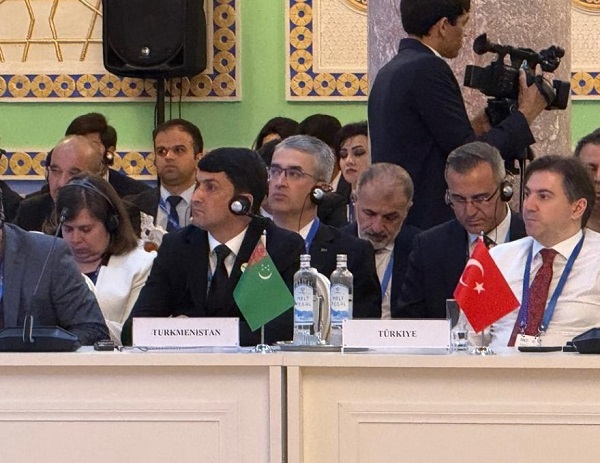
According to the Embassy of Turkmenistan in Tajikistan, the conference focused on ensuring food security, sustainable agricultural development, the implementation of modern technologies, the efficient use of water and land resources, and the expansion of international cooperation in the agrarian sector.
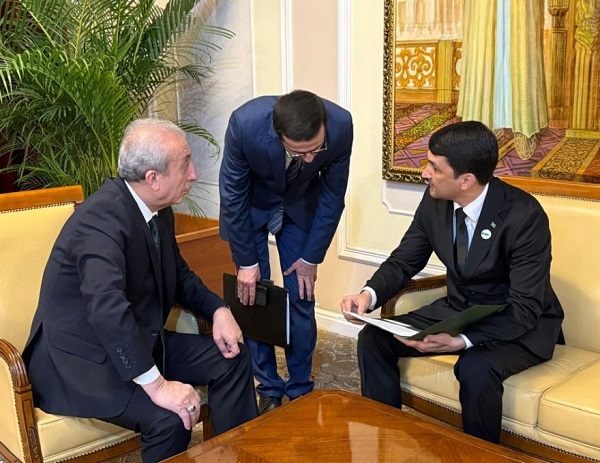
On the sidelines of the forum, meetings were held to exchange views on promising areas of cooperation between Turkmenistan and FAO in the fields of agriculture, food security, and environmental protection.
The 35th Session of the FAO Regional Conference for Europe was held under the overarching theme: “Uniting for Sustainability: Integrating climate action, biodiversity conservation and land restoration for sustainable agrifood systems in Europe and Central Asia.”
Held every two years, the ERC is FAO’s highest governing body for the Europe and Central Asia region. it offers countries and partners the opportunity to discuss the most pressing issues in food and agriculture and to define FAO’s priority areas of work for the following biennium.
In his address to the regional ministerial conference, FAO Director-General QU Dongyu reminded delegates that the challenges faced by the region—including the climate crisis, economic pressures, and supply chain disruptions—do not respect borders and therefore demand collective action and solutions.
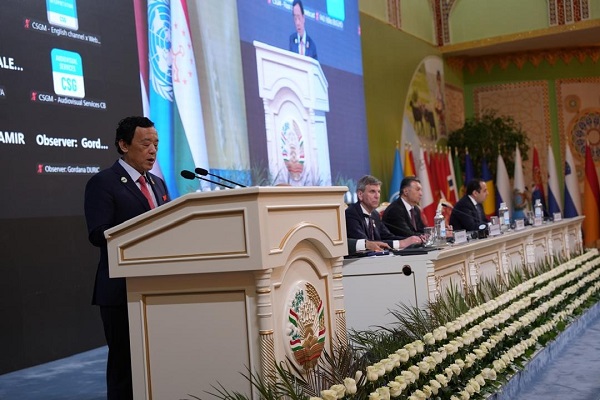
The ministerial conference took place at a time when countries across Europe and Central Asia are simultaneously facing climate shocks, market volatility, and geopolitical disruptions, alongside biodiversity loss, water stress, and rising pressure on household food affordability.
Although global food commodity markets have partially stabilized following major price spikes in 2022 due to the war in Ukraine, many countries across Europe and Central Asia continue to face elevated food prices and high agricultural input costs, not least due to the current conflict in the Middle East.
From an environmental perspective, Europe and Central Asia is projected to continue warming at roughly twice the global average, intensifying droughts, floods, wildfires, and agricultural stress. Recent extreme weather events in the region serve as a stark reminder that “business as usual” is no longer an option, the FAO head noted. An estimated 90 million hectares of land in the region are degraded, underscoring the urgency of decisive action.
The Director-General noted that FAO has a clear roadmap in the form of its Strategic Framework 2022–31, anchored in the “Four Betters”: Better Production, Better Nutrition, a Better Environment, and a Better Life—leaving no one behind.
Since 2015, development finance flows to agrifood systems in Europe and Central Asia have amounted to about $21.4 billion. “Yet they remain far below what is required,” Qu said. Amid constrained public budgets, he emphasized the need to work with governments, development banks, international financial institutions, and private sector partners.
The two-day conference in Dushanbe also included a number of side events. One such event, GENERATION YSInvest, focused on youth, science, innovation, and investment.
Another key event was the ministerial investment dialogue, “Central Asia – Unlocking the Potential as a Breadbasket,” aimed at positioning the region as a stable, climate-resilient grain hub. Wheat is a key pillar of the Central Asian agrifood system, and the region holds a clear advantage: a strong production base and proximity to major markets. Realizing this potential requires targeted investments and closer cooperation, particularly in developing value chains and sustainable natural resource management. ///nCa, 13 May 2026