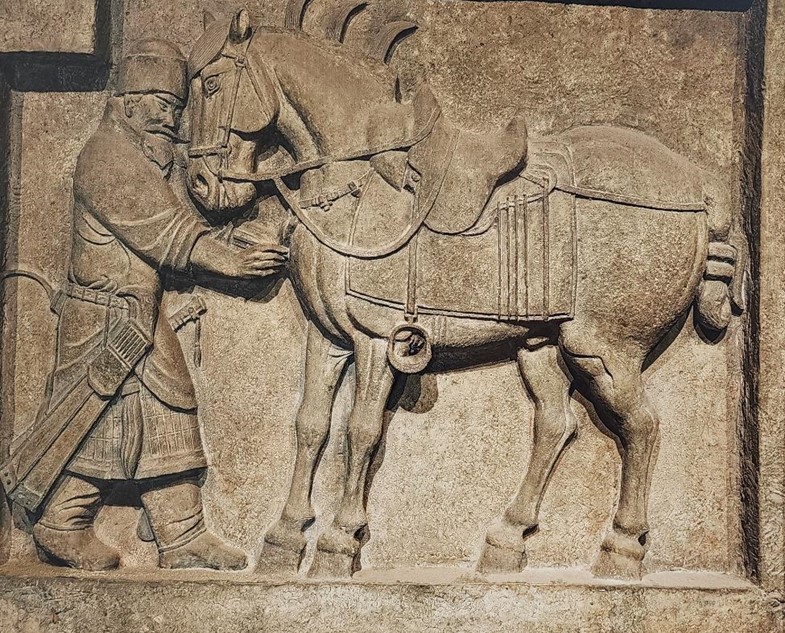
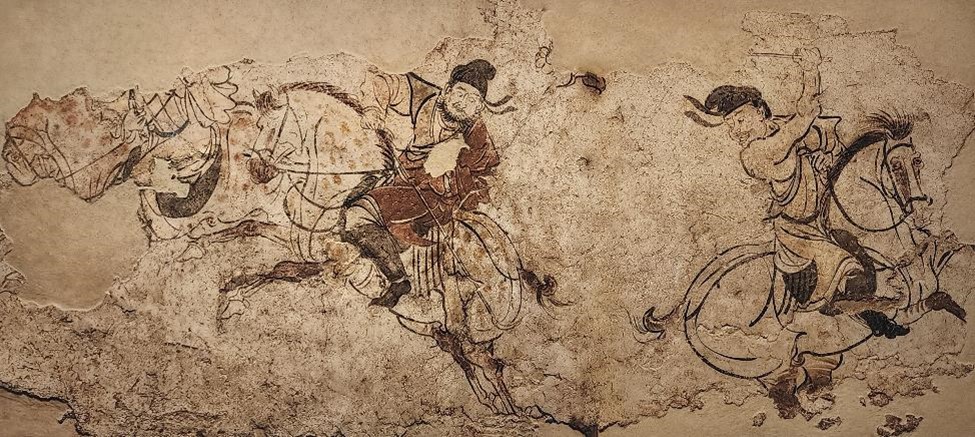
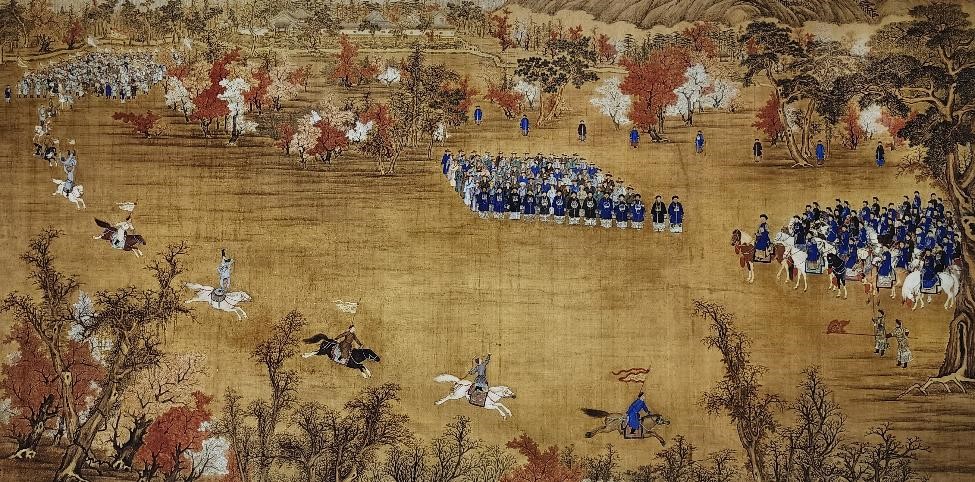
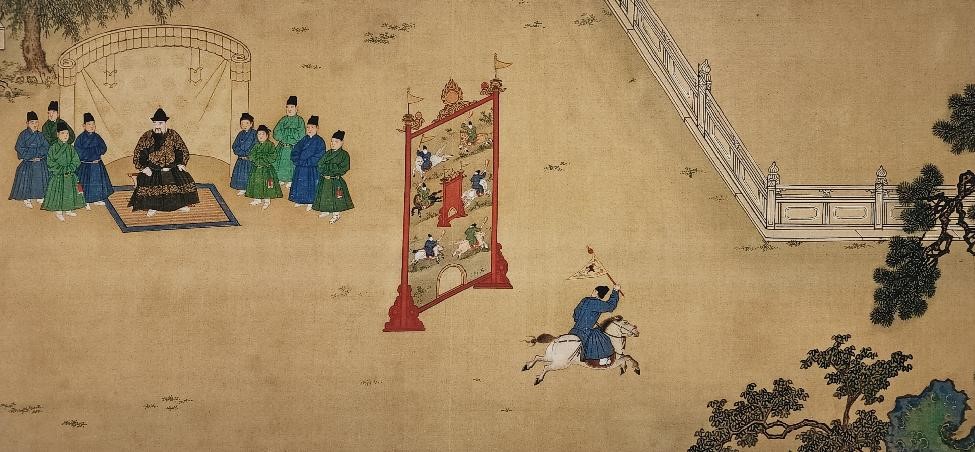
The cultural bridge between China and Turkmenistan reached a stunning visual crescendo as the international roving exhibition “Racehorses through the Ages – The Image of the Horse in Chinese Art” officially opened its doors at the Museum of Fine Arts.
While opening-day remarks by dignitaries—including Turkmenistan’s Minister of Culture Gurbanmyrat Myradaliev, Chinese Ambassador Ji Shumin, and representatives of the Turkmen Horses State Association—underscored bilateral ties and the profound shared reverence for the equine form under the Belt and Road Initiative, the true heartbeat of the exhibition lies within its galleries.
Running through November 18, the exhibition presents an extraordinary visual dialogue through 44 carefully curated works by contemporary Chinese artists.
Stepping past the formalities of the opening ceremony, a quiet walk through the exhibition reveals how modern Chinese creators reinterpret millennia-old artistic motifs. Rather than static historical reproductions, the collection explores the aesthetics, power, and grace of the horse across varying circumstances and epochs.
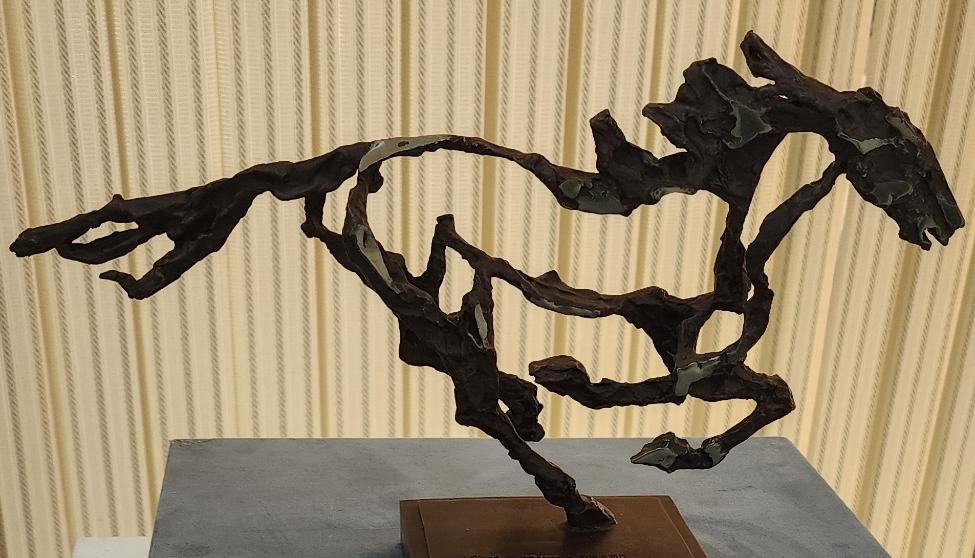
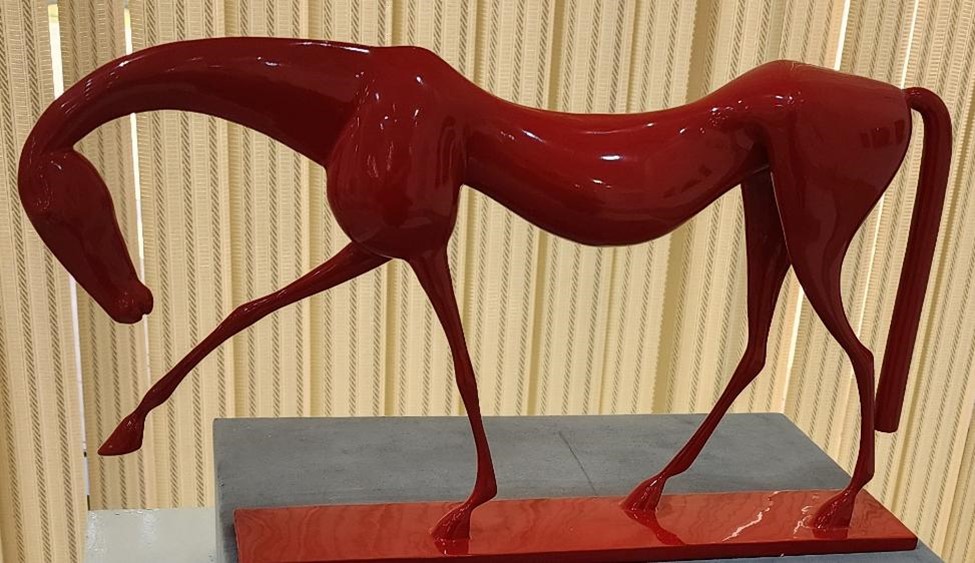
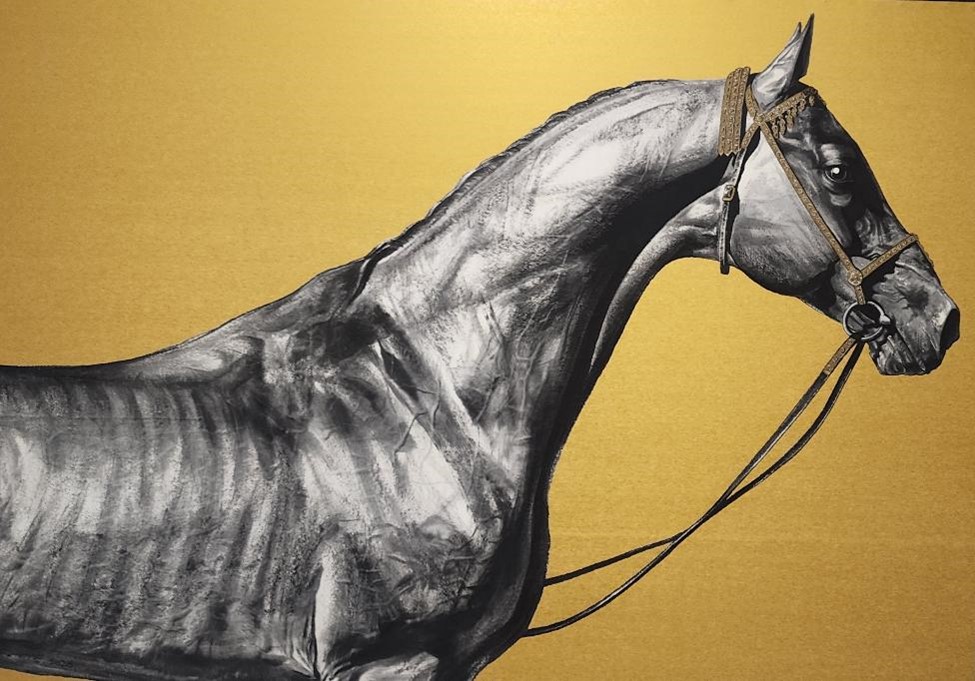
The featured paintings, pictures, and sculptures showcase a refined quality of line and emotion, capturing the animal alternately as a symbol of untamed natural energy, a poetic companion of the scholar, and a timeless spiritual anchor.
Critics and art commentators following the exhibition’s multi-region tour—which earlier reached venues like Hong Kong—have praised how contemporary brushwork and sculptural forms breathe new life into classical archetypes.
The artworks bridge ancient symbolism, where the horse embodies loyalty and national spirit, with bold, modern psychological depth.
From powerful ink-wash treatments capturing muscles swelling under tension to minimalist compositions evoking quiet pastoral stillness, the collection resonates deeply in Ashgabat—a city synonymous with the legendary Akhal-Teke breed.
Visitors wandering through the galleries are treated to a rare perspective on how distant artistic traditions can converge on a single, majestic subject, reflecting both nations’ enduring fascination with the winged steed.
The eternal bond between people and horse
From the earliest ochre outlines on prehistoric cave walls to the sweeping ink-wash masterpieces of the Silk Road, few creatures have captivated the human imagination as profoundly as the horse.
Across centuries and civilizations, painters, poets, writers, and philosophers have returned to this singular animal not merely as a subject of physical study, but as a living mirror of the human soul.
In the equine form, art finds a rare synthesis of opposites: raw, thunderous power balanced by effortless grace; muscular tension paired with fluid, weightless speed. To watch a horse in motion is to witness pure kinetic beauty, an anatomy seemingly sculpted by the wind itself. For the artist, capturing that fleeting moment when all four hooves leave the earth is an enduring challenge—an attempt to freeze untamed energy onto canvas, bronze, or stone.
Beyond its physical majesty, the horse carries deep philosophical weight. It stands as an enduring archetype of freedom and noble aspiration—a creature capable of carrying humanity across vast, uncharted horizons while never wholly surrendering its wild spirit. In both Eastern and Western thought, the horse symbolizes the highest human ideals: loyalty, courage, dignity, and the restless pursuit of excellence.
Ultimately, the horse resides at the very center of the eternal bond between humanity and the natural world. Long before the age of machines, it was our partner in exploration, agriculture, and survival—a bridge between human civilization and the untamed wilderness.
When contemporary artists revisit the horse today, they are doing more than honoring history; they are rekindling an ancient dialogue, reminding us of a timeless kinship with nature that continues to inspire awe, humility, and creative wonder. /// nCa, 15 November 2026
Some of what is featured at the exhibition: