



Tourism Malaysia continues to see strong momentum across Central Asia, as travellers from the region choose Malaysia as their travel destination. From January to June 2026, Malaysia welcomed 53,347 visitors from Kazakhstan, Uzbekistan, Kyrgyzstan, Turkmenistan and Tajikistan, a 23.3 per cent increase compared with 43,280 visitors during the same period in 2025.
Most markets in the region recorded growth from January to June 2026. Uzbekistan was among the strongest performers, with arrivals rising 62.0 per cent to 16,283 visitors, from 10,054 visitors during the same period last year. Tajikistan followed, with arrivals increasing 60.2 per cent to 2,131 visitors from 1,330 visitors during the same period in 2025.
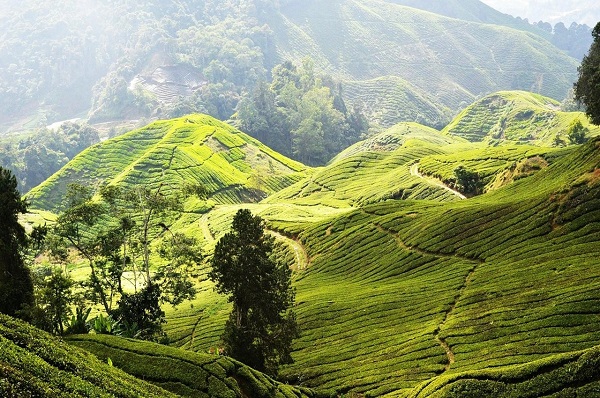
Furthermore, Kazakhstan, Malaysia’s largest source market in the region, grew by 11.8 per cent to 26,296 arrivals, up from 23,527 visitors in the first six months of 2025. Kyrgyzstan saw a 13.7 per cent increase, with 4,168 arrivals, up from 3,666 visitors during the corresponding period in 2025. Turkmenistan recorded 4,469 arrivals during the first six months of 2026.
Nor Shazly Azmi, Director of Tourism Malaysia Almaty, noted, “Central Asia is an important and increasingly dynamic market for Malaysia. Tourism Malaysia is encouraged not only by the overall growth in visitor arrivals, but also by the growing awareness of the country across the region. More travellers are discovering the diversity of experiences our country can offer, and we see significant potential to build on this momentum.”
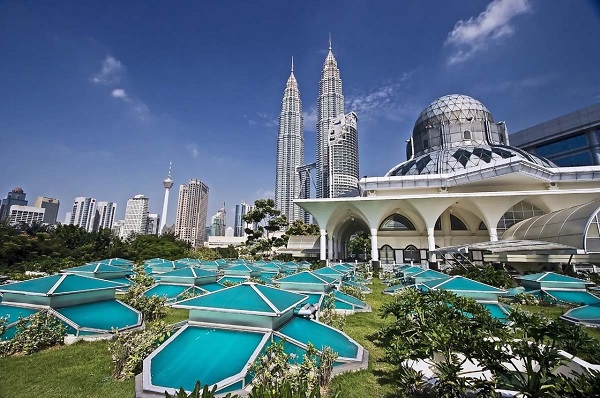
Malaysia’s growing appeal in Central Asia is supported by strong cultural affinity. As a leading Muslim-friendly destination globally, Malaysia combines a well-established Halal ecosystem and easy access to mosques and prayer facilities with distinctive multicultural experiences, making the country both welcoming and familiar to travellers from the region.
Extensive air connectivity also plays a crucial role in supporting this growth. Kuala Lumpur is directly connected to both Tashkent and Almaty, while direct services between Tashkent and Langkawi provide travellers with convenient access to one of Malaysia’s leading island destinations.
Connectivity between Malaysia and Central Asia continues to expand; in July 2026, Batik Air added weekly service between Tashkent and Kuala Lumpur, while Uzbekistan Airways is expected to introduce an additional frequency on the route from October 2026. These developments offer greater convenience and flexibility for travellers from Central Asia to plan and travel to Malaysia.

The positive momentum comes at an important time for Malaysia’s tourism industry. Visit Malaysia 2026–2027 (VM2026–2027), Malaysia’s major international tourism campaign, provides an opportunity to build on the current growth and encourage international travellers to discover not only Malaysia’s best-known attractions, but also its diverse states, emerging destinations, and wider range of tourism experiences.
“Central Asian travellers are becoming increasingly experienced and are looking for destinations that can offer more than one type of holiday. Malaysia is particularly well positioned in this respect: a single journey can combine a city break, culture, gastronomy, tropical beaches, nature, shopping, and family experiences. Our objective is to make this diversity better known across the region and encourage travellers not only to discover Malaysia, but also to return and explore more of the country,” added Nor Shazly Azmi.
With visitor numbers continuing to increase and connectivity between the two regions advancing, Tourism Malaysia sees considerable potential to reinforce the importance of the Central Asian market and strengthen Malaysia’s position as an accessible, culturally diverse, and immersive year-round travel destination.
About Tourism Malaysia
Malaysia Tourism Promotion Board, also known as Tourism Malaysia, is an agency under the Ministry of Tourism, Arts and Culture Malaysia (MOTAC). It focuses on promoting Malaysia as a preferred tourism destination and has, since its establishment, played a significant role in strengthening the country’s presence and competitiveness in the global tourism landscape.
Visit Malaysia 2026 (VM2026–2027), with the extended campaign to 2027, underscores Malaysia’s commitment to sustainable tourism development, in line with the United Nations Sustainable Development Goals (UNSDGs). The campaign aims to showcase the nation’s diverse natural attractions, rich cultural heritage, and vibrant tourism offerings, while driving inclusive growth and long-term value for local communities and industry stakeholders. ///Embassy of Malaysia to Turkmenistan (photo credit – utc.by)