


nCa Commentary
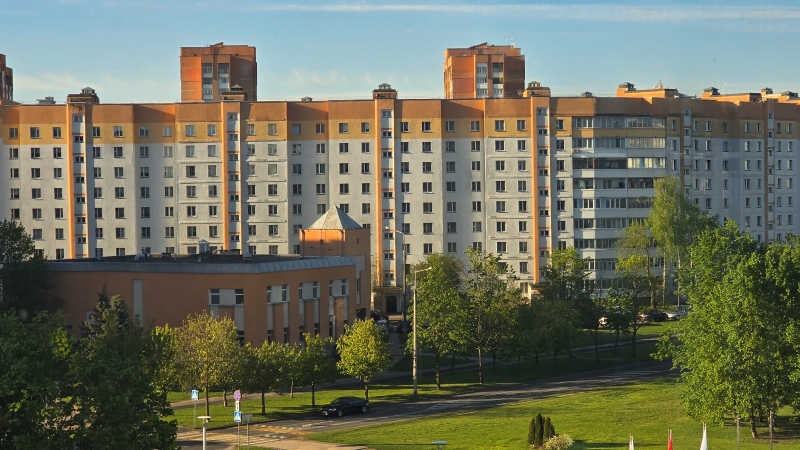
Step past the thick layers of geopolitical commentary that usually surround Belarus in international headlines, and a remarkably different picture comes into focus on the streets of Minsk, Grodno, Brest, and Vitebsk.
Judged not through ideological abstractions, but by the tangible yardsticks of everyday human security—whether a family can afford wholesome food, keep the lights and heating on, own a home, educate its children, see a doctor, and take a restorative holiday—Belarus operates as a coherent, functioning social-contract state.
In an era when many developed and developing economies alike are grappling with runaway housing inflation, unaffordable healthcare, and hollowed-out public services, the Belarusian model offers a quietly compelling counter-narrative: a system built around basic stability, domestic self-reliance, and accessible public goods.
The foundation of this everyday security begins at the dinner table and the monthly utility bill.
Because Belarus invested heavily in preserving and modernizing its agricultural and food-processing base rather than dismantling it, the country is overwhelmingly self-sufficient in staple foods. A walk through any local grocery store or farmers’ market reveals that the essentials of daily nutrition remain comfortably within reach of ordinary households.
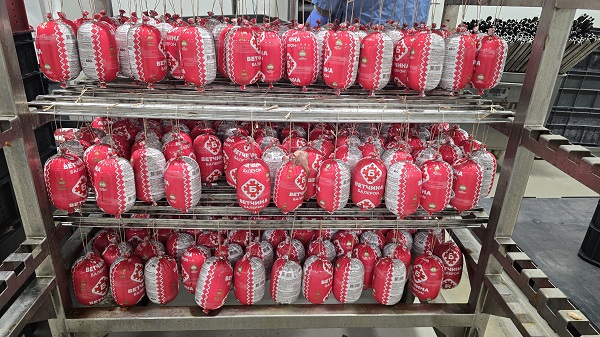
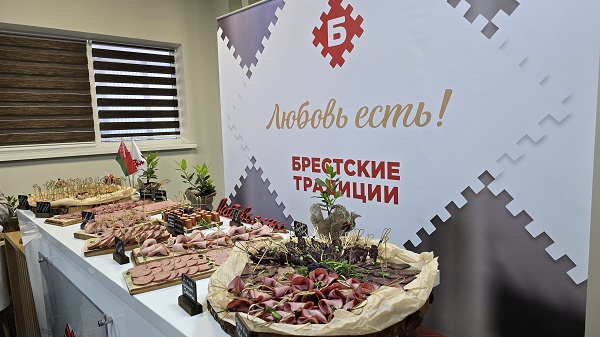
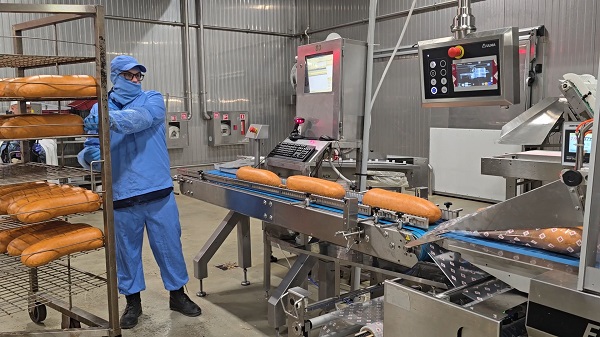
Milk, bread, eggs, potatoes, poultry, and locally produced dairy items are priced modestly relative to local purchasing power, allowing a single resident to cover monthly groceries for roughly $180 to $265. The same holds true for everyday clothing and footwear: domestic manufacturers such as Mark Formelle, Conte, Belvest, and Elema supply well-made knitwear, shoes, and apparel tailored to local budgets, ensuring that dressing a family does not require reliance on costly imports.
Just as decisive for household peace of mind is what happens when winter arrives. Across much of Europe in recent years, energy and municipal bills have become a primary source of middle-class anxiety. In Belarus, state-regulated tariffs keep basic utilities—heating, electricity, water, and municipal services for a standard family apartment—at roughly $40 to $80 a month.
Public transportation follows the same logic of universal accessibility. In Minsk, a single monthly pass covering the metro, buses, trolleybuses, and trams costs just under 66 Belarusian rubles—roughly $22—making clean, punctual urban mobility effortless for students, workers, and pensioners alike.
Housing, often the single greatest barrier to stability for young families elsewhere, is treated in Belarus as a cornerstone of social policy rather than a purely speculative asset. High levels of private homeownership, rooted in post-Soviet privatization, are reinforced by active demographic and housing support. Under the country’s long-running Family Capital program—whose payout stands at over 35,500 rubles in 2026 and has already opened nearly 157,500 family deposit accounts—multi-child families receive substantial state-backed capital that can be directed toward buying, building, or expanding a home, alongside preferential mortgage mechanisms. For those renting outside the capital in well-kept regional centers like Grodno or Brest, a comfortable one-room apartment typically runs between $205 and $350 a month.
Equally central to the country’s social fabric are its twin commitments to universal education and healthcare, both enshrined as constitutional guarantees and backed by steady increases in state budget allocations. Education remains tuition-free from primary school through university for students who qualify on merit, paired with a structured transition into the workforce.
Through its system of targeted first-job placements for state-funded graduates, Belarus ensures that young professionals gain immediate practical experience while schools, clinics, and enterprises in smaller towns remain staffed with qualified specialists.
Healthcare operates with a similar emphasis on broad access. Citizens and permanent residents receive free medical care through an extensive network of neighborhood polyclinics, regional hospitals, and specialized national medical centers. At the same time, a parallel tier of modern private clinics offers rapid diagnostics and specialist consultations at accessible rates—often $17 to $33 per visit—giving families practical choice without financial ruin.
Perhaps nothing captures the rhythm of ordinary Belarusian life quite as vividly as the country’s enduring culture of domestic rest and recuperation. Blessed with vast pine forests, glacial lake districts such as Naroch and Braslav, and primeval woodlands like Belovezhskaya Pushcha, Belarus has preserved and expanded a network of more than a hundred sanatoriums and health resorts.


Far from being enclaves for the wealthy, these facilities are woven into the annual calendar of ordinary workers, families, and retirees, frequently supported by trade-union and enterprise vouchers. Demand has grown so steadily—with sanatoriums hosting over 1.5 million guests annually and drawing hundreds of thousands of visitors from neighboring European countries as well—that national development plans are actively expanding resort capacity alongside the restoration of historic castles and rural agro-ecotourism farmsteads.
When observed objectively, Belarus demonstrates something increasingly rare in contemporary governance: a system that delivers on its core social promises. Clean streets, low crime, affordable food and utilities, accessible healthcare, free education, and the simple dignity of an annual family holiday in the countryside—for millions of ordinary citizens, these are not abstract talking points, but the lived reality of a state that works. /// nCa, 20 November 2026