


AVAZA, Turkmenistan — Turkmenistan and Belarus have agreed on a new two-year programme to guide cooperation between their foreign ministries, adding another bilateral diplomatic framework to the series of agreements being concluded on the sidelines of Turkmenistan’s 2026 chairmanship of the Commonwealth of Independent States.
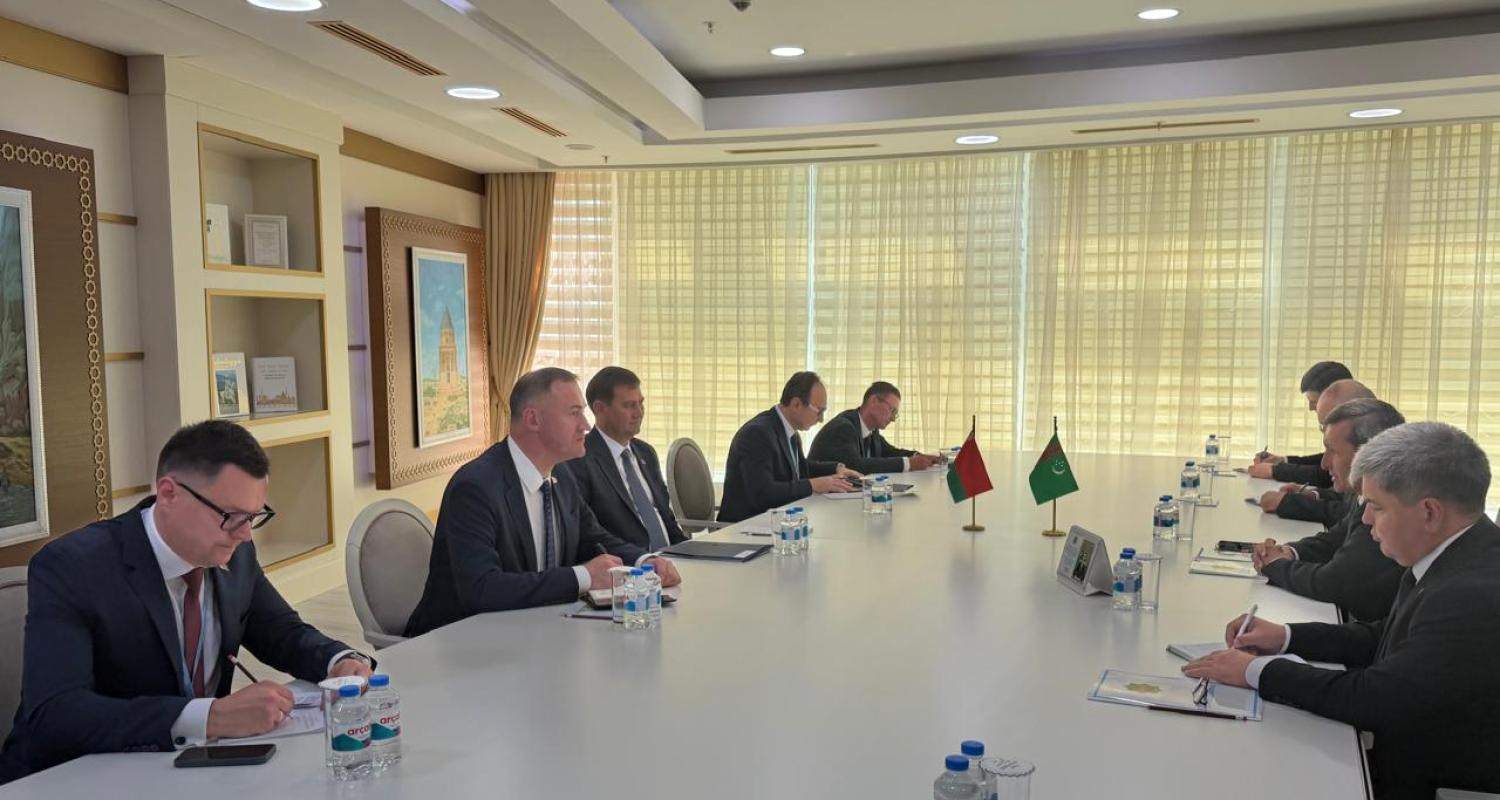
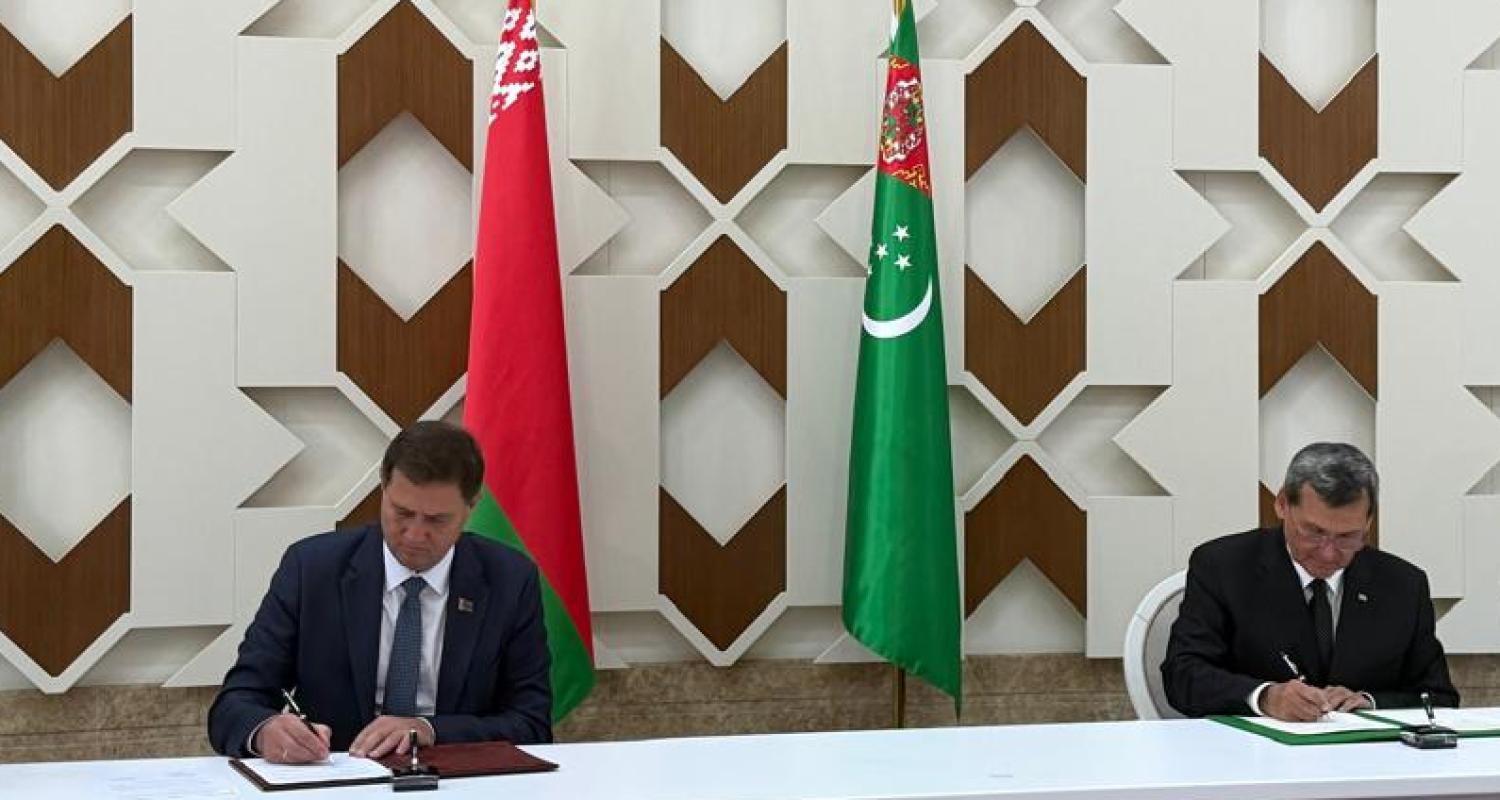
The Cooperation Programme between the Ministry of Foreign Affairs of Turkmenistan and the Ministry of Foreign Affairs of Belarus for 2027–2028 was signed in Avaza on Wednesday following a meeting between Turkmen Foreign Minister Rashid Meredov and Belarusian Foreign Minister Maxim Ryzhenkov.
According to the Turkmen Foreign Ministry, the two ministers reviewed the current state of Turkmenistan–Belarus relations and prospects for their further development. They also discussed key areas of bilateral cooperation, with particular attention to trade and economic relations as well as cultural and humanitarian ties.
The two sides stressed the importance of maintaining regular political dialogue and contacts between relevant government institutions. They also reaffirmed their readiness to continue constructive engagement and develop mutually beneficial cooperation.
The newly signed programme is intended to further develop and systematise interaction between the two foreign ministries during 2027 and 2028. The Turkmen Foreign Ministry did not provide details of individual activities or projects under the programme, so its immediate significance lies primarily in establishing an organised framework for continued diplomatic interaction rather than announcing specific new initiatives.
A broader pattern of bilateral diplomacy in Avaza
The agreement with Belarus comes as Avaza hosts an unusually dense programme of diplomatic activity under Turkmenistan’s CIS chairmanship. The CIS Council of Foreign Ministers met in the resort zone on October 7, with bilateral meetings providing an additional channel for participating states to review their own relations with Turkmenistan.
A similar 2027–2028 cooperation programme between the foreign ministries of Turkmenistan and Russia was also signed in Avaza following a meeting between Meredov and Russian Foreign Minister Sergei Lavrov.
The parallel agreements underline one of the less visible dimensions of the Avaza diplomatic marathon: alongside the multilateral CIS agenda, Turkmenistan is using the gathering of foreign ministers and other senior officials to maintain and structure its bilateral diplomatic relationships.
For Belarus, the new programme provides a formal mechanism for continuing political consultations and interagency contacts with Ashgabat while also supporting cooperation in economic, cultural and humanitarian fields.
Economic and humanitarian dimensions
The emphasis on trade and economic cooperation is significant because bilateral relations extend beyond political contacts. Belarus has traditionally been an important partner for Turkmenistan in areas including industrial cooperation, machinery and technology, agriculture and other economic sectors.
The official statement, however, did not announce any new commercial contracts or specific economic projects during the Meredov–Ryzhenkov meeting. The focus was instead on maintaining the broader institutional relationship and creating conditions for its further development.
The cultural and humanitarian dimension was likewise identified as an important area of cooperation, suggesting that the two governments intend the new programme to cover the wider relationship rather than limiting it to diplomatic consultations.
For Turkmenistan, the agreement fits a broader approach in which bilateral relations are maintained alongside multilateral engagement through the CIS and other regional and international organisations. For Belarus, it establishes a predictable two-year channel for contacts with Ashgabat at a time when both countries are participating in an intensive programme of CIS-level diplomacy.
The practical value of the agreement will ultimately depend on how its framework is translated into ministerial consultations, interagency contacts and concrete cooperation during 2027 and 2028. For now, the principal development is the establishment of that framework itself. /// nCa, 7 October 2026