


Rosatom is exploring opportunities to broaden its technological partnership with Turkmenistan beyond traditional nuclear power. Promising avenues of cooperation include nuclear medicine, wind energy, additive manufacturing, composite materials, and industrial digital technologies.
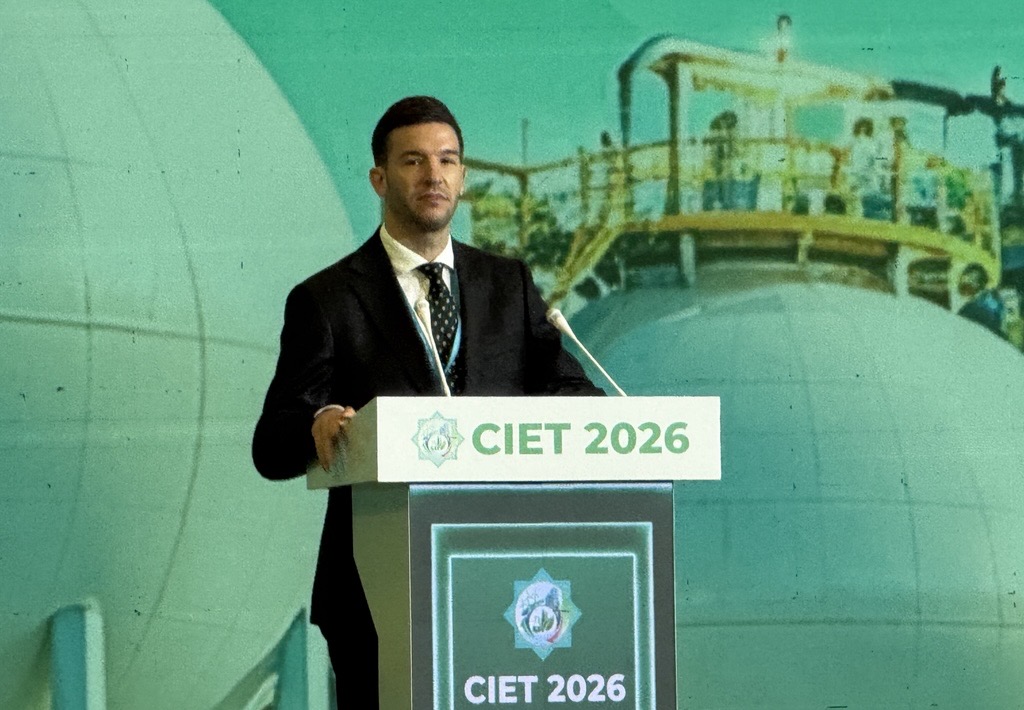
The strategy was outlined by Dmitry Konstantinov, Deputy Director General of Rosatom’s Central Asia representative office, during the International Conference “Development of Construction, Industrial, Chemical, and Energy Sectors of Turkmenistan” (CIET 2026) in Ashgabat.
Konstantinov noted that expanding Russian-Turkmen tech ties could start with non-nuclear projects that leverage Rosatom’s core competencies and advanced R&D.
Specifically, the state corporation is prepared to partner on nuclear medicine initiatives—a model it is already rolling out elsewhere in Central Asia, including Kyrgyzstan.
Wind power presents another key opportunity. Rosatom operates domestic wind farms in Russia with a combined capacity exceeding 1 GW and is currently building its first international wind project on Lake Issyk-Kul in Kyrgyzstan.
Konstantinov also highlighted additive manufacturing and composite materials—which find wide application in aerospace and construction—alongside industrial digital solutions, such as data center infrastructure.
Addressing nuclear energy directly, the speaker emphasized that Rosatom offers partner nations a complete ecosystem to build out a national nuclear sector, rather than just standalone power plant construction.
This turnkey approach covers nuclear infrastructure development, workforce training, research capacity building, project financing, local industrial integration for construction and operations, and spent nuclear fuel management.
Konstantinov estimated that engaging local suppliers in NPP construction can yield localization rates of up to 30%.
He also pointed to the broader economic multiplier effect of nuclear projects: every dollar invested in plant construction generates over four dollars in GDP value for the host economy, while each direct construction job creates up to six supporting jobs in adjacent industries.
Currently, Rosatom is constructing 45 power units across ten countries, including Russia. In Central Asia, the corporation is advancing a nuclear project in Uzbekistan—where first concrete was poured in April 2026—and is set to lead the consortium building Kazakhstan’s first nuclear power plant.
Looking ahead, Konstantinov projected that global installed nuclear capacity could rise from today’s ~400 GW to 900 GW by 2050. /// nCa, 4 November 2026