Elvira Kadyrova
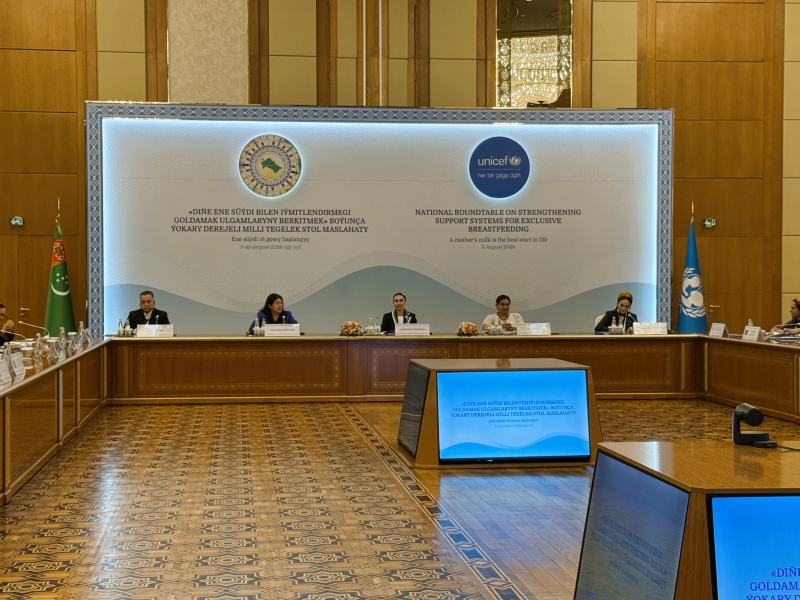
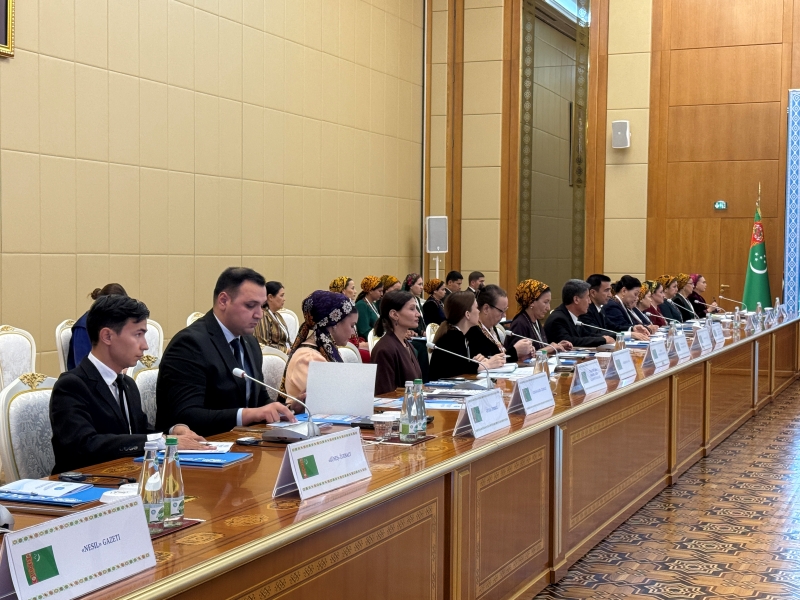
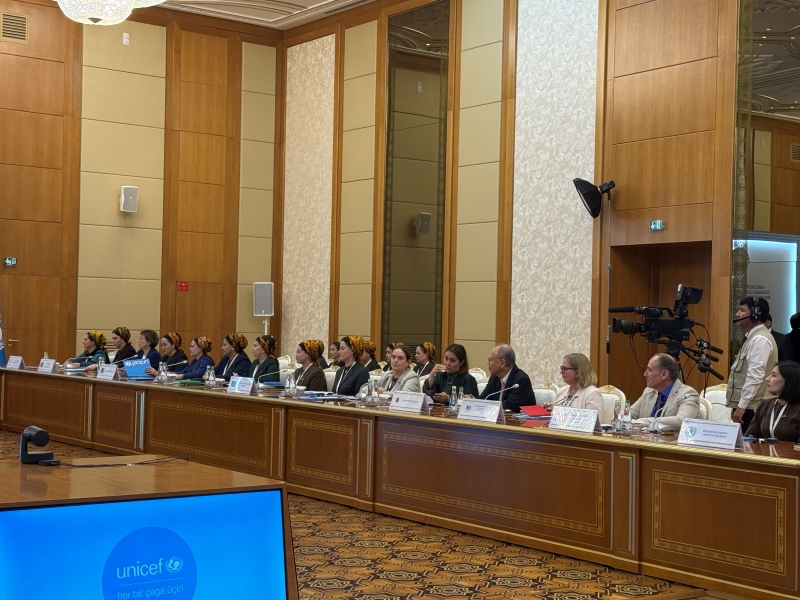
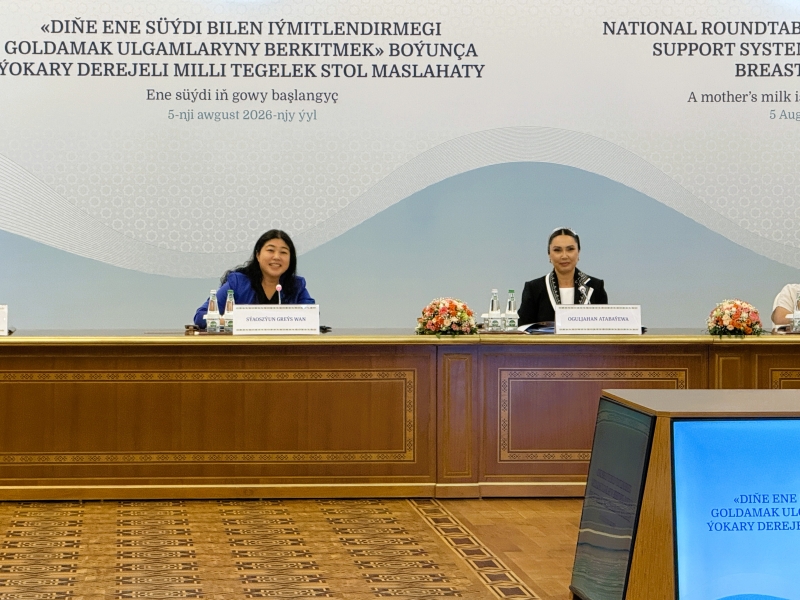
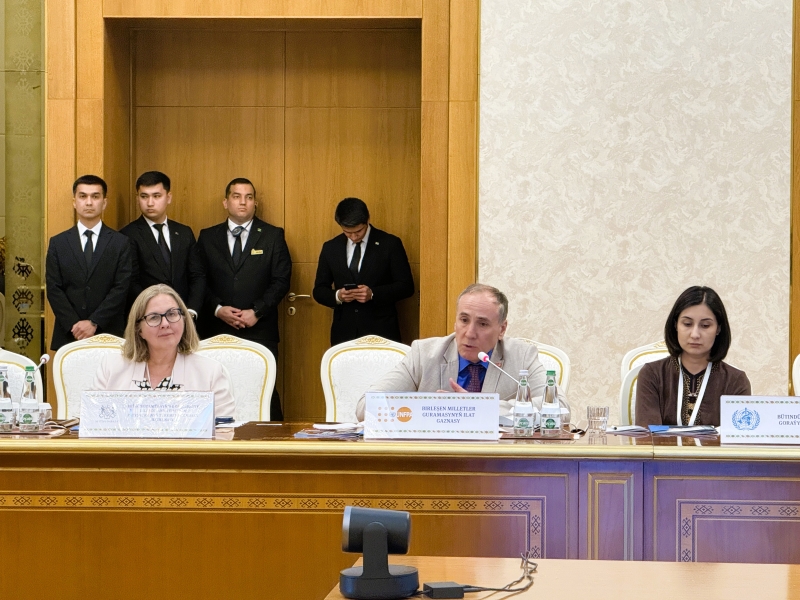
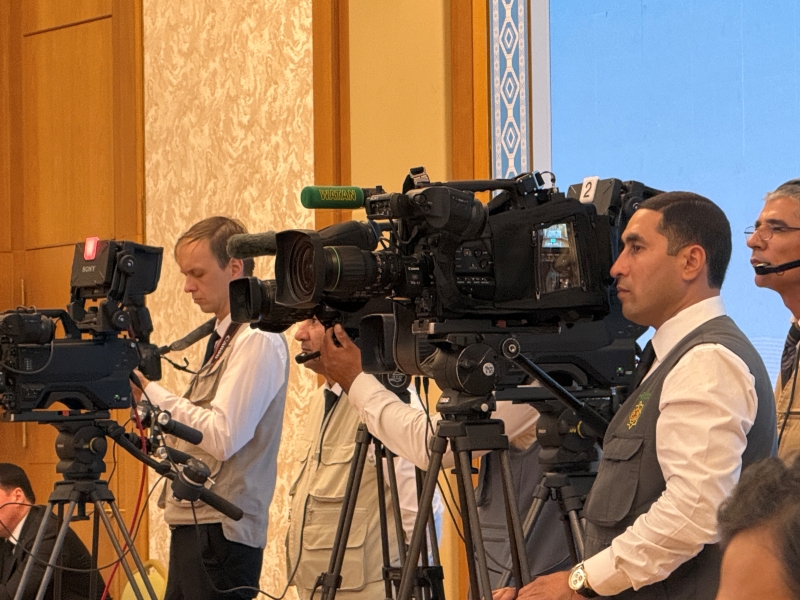
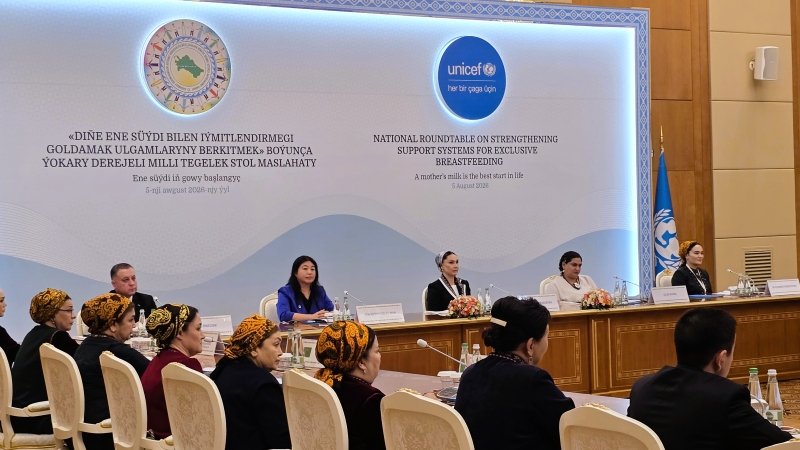
A high-level National Roundtable on “Strengthening Support Systems for Exclusive Breastfeeding” was held in Ashgabat, bringing together government officials, healthcare leaders, and international partners to discuss policies and practical measures aimed at improving maternal and child health in Turkmenistan.
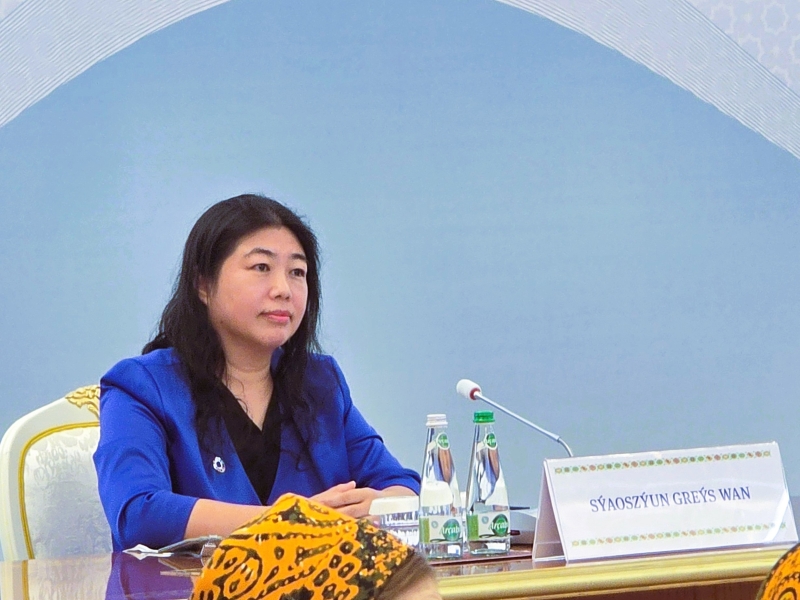
The event was jointly organized by UNICEF in Turkmenistan and the Gurbanguly Berdimuhamedov Charitable Foundation for Assistance to Children in Need of Care. It was moderated by Xiaojun Grace Wang, the UN Resident Coordinator in Turkmenistan.
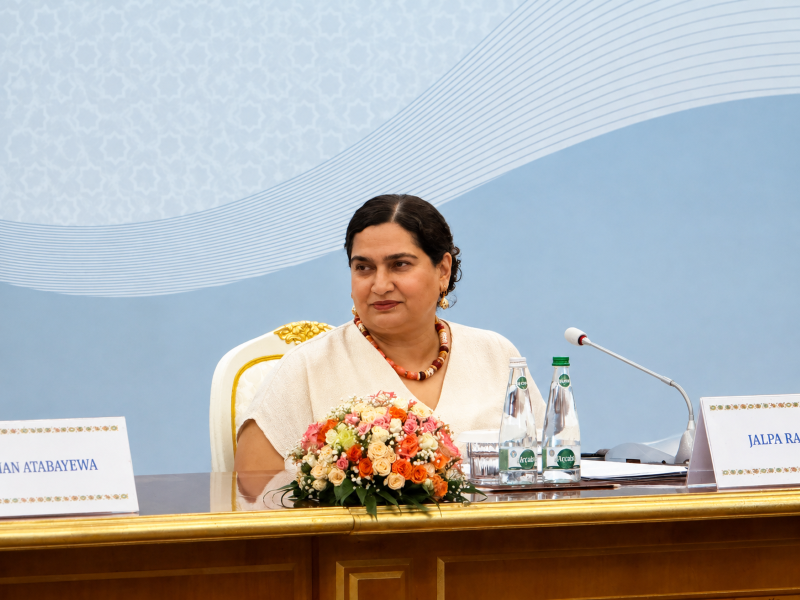
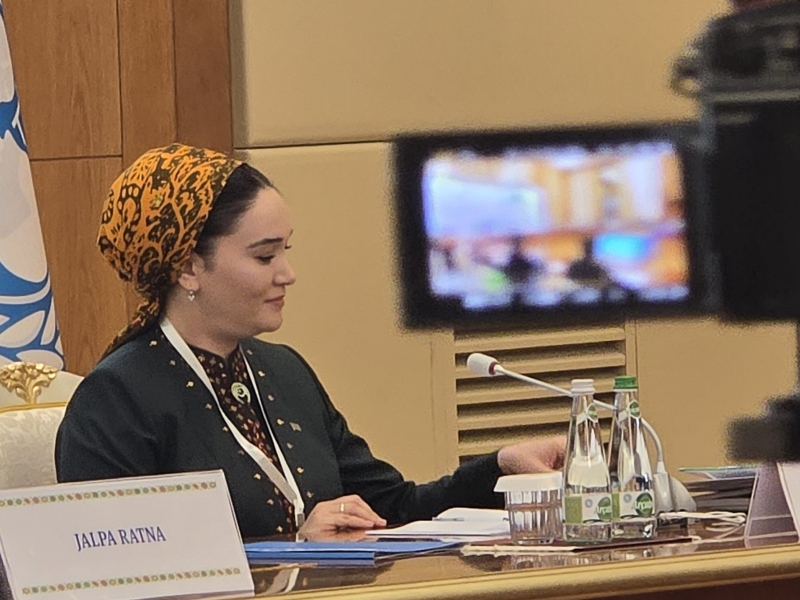
Opening the discussion, UNICEF Representative in Turkmenistan Jalpa Ratna described exclusive breastfeeding during the first six months of life as one of the most effective investments in a child’s future. “Even with loving family support, good information, health services, new mothers face moments of uncertainty, exhaustion, and self-doubt. They need encouragement, skilled advice, and perhaps most importantly, an environment that supports rather than challenges their choices to breastfeed,” she said.
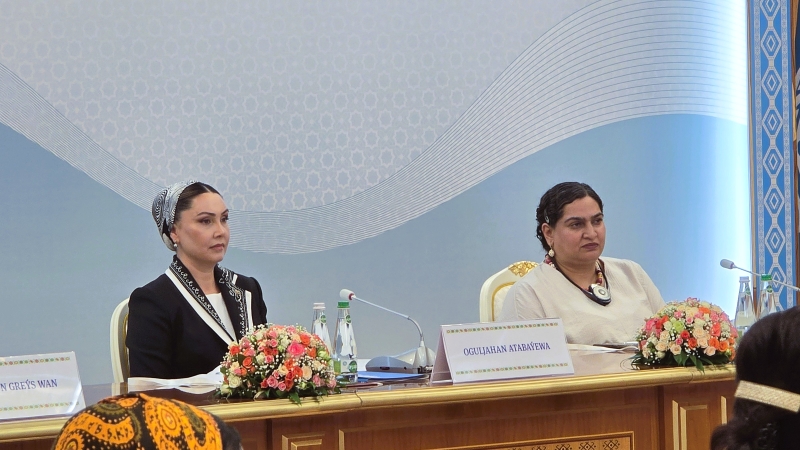
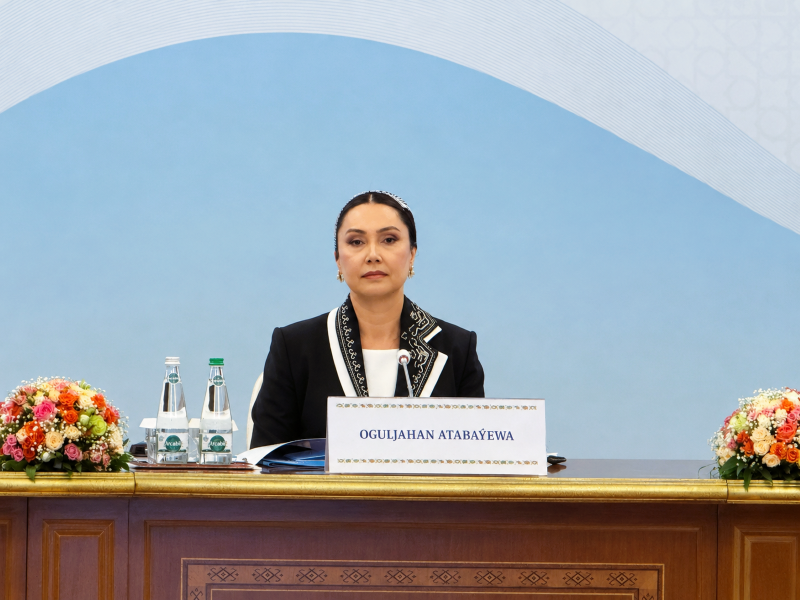
Oguljahan Atabayeva, Vice President of the Gurbanguly Berdimuhamedov Charitable Foundation for Assistance to Children in Need of Care, emphasized that breast milk is the ideal source of nutrition for infants, providing all the nutrients and immune protection they need in the first months of life.
” A baby who is breastfed is physically and spiritually closer to their mother. Hearing the mother’s heartbeat, feeling the warmth of her arms creates a favorable environment for the child,” Atabayeva noted.
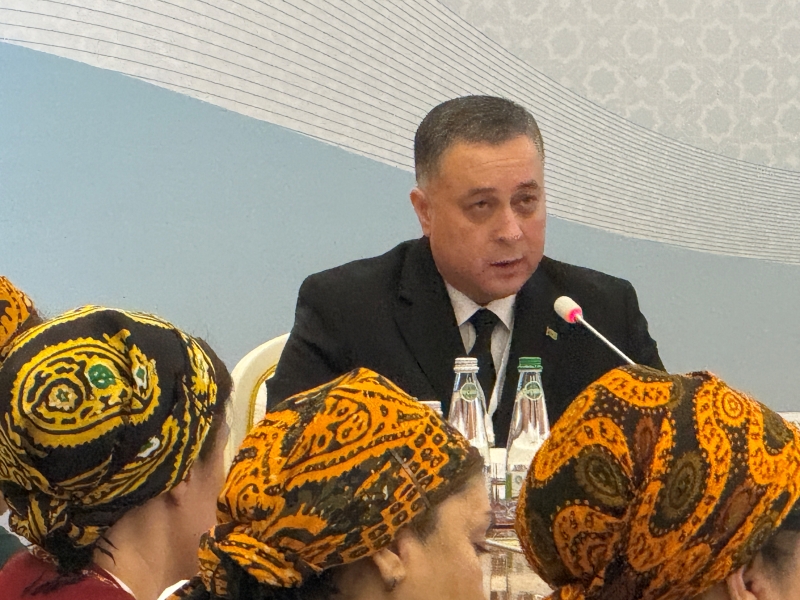
Azat Ovezov, Deputy Minister of Health and Medical Industry of Turkmenistan, outlined the Ministry’s comprehensive approach to promoting breastfeeding. In addition to coordinating improvements to the country’s legislative framework, the Ministry continuously monitors compliance with breastfeeding-related standards across healthcare facilities.
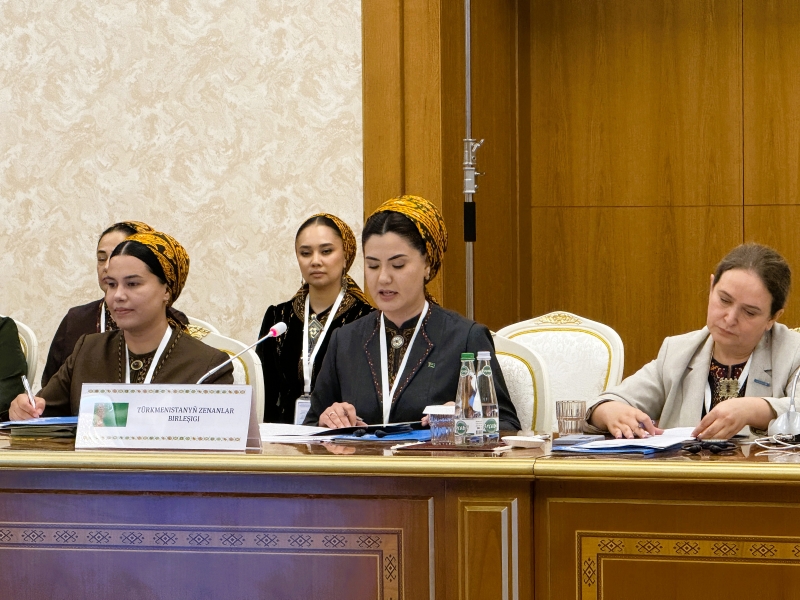
Oguljennet Berdiliyeva, Chairperson of the Women’s Union of Turkmenistan, highlighted the importance of public awareness and education for young families. She noted that the organization works closely with UNICEF and the Ministry of Health to promote breastfeeding as a cornerstone of children’s health and well-being.
The Numbers Behind the Discussion: Progress, Challenges and the Way Forward
Participants at the roundtable presented a detailed overview of the current state of breastfeeding in Turkmenistan. Their presentations painted a nuanced picture: while the country has established a strong policy framework and achieved significant progress in maternal and child health, recent data also point to a decline in exclusive breastfeeding rates.
According to the latest Multiple Indicator Cluster Survey (MICS), the rate of exclusive breastfeeding during the first six months of life fell from more than 60% in 2019 to 35.5% in 2024. At the same time, the proportion of mothers who begin breastfeeding within the first two to three hours after birth increased by 17 percentage points, reaching 84.7% in 2024. In other words, most mothers start breastfeeding, but many are unable to maintain exclusive breastfeeding for the recommended first six months.
The decline in exclusive breastfeeding was found to be three times more common among higher-income households, highlighting that the challenge is influenced not only by access to healthcare but also by lifestyle and social factors.
Despite the decline in exclusive breastfeeding during infancy, breastfeeding remains common among children aged 12 to 23 months, with rates ranging from 20% to 58%, suggesting that there is considerable potential to strengthen exclusive breastfeeding during the first six months while maintaining longer-term breastfeeding practices.
Roundtable participants also noted that, according to the survey, Turkmenistan continues to report one of the highest breastfeeding indicators in the WHO European Region and Central Asia, with one key breastfeeding indicator reaching 57%.
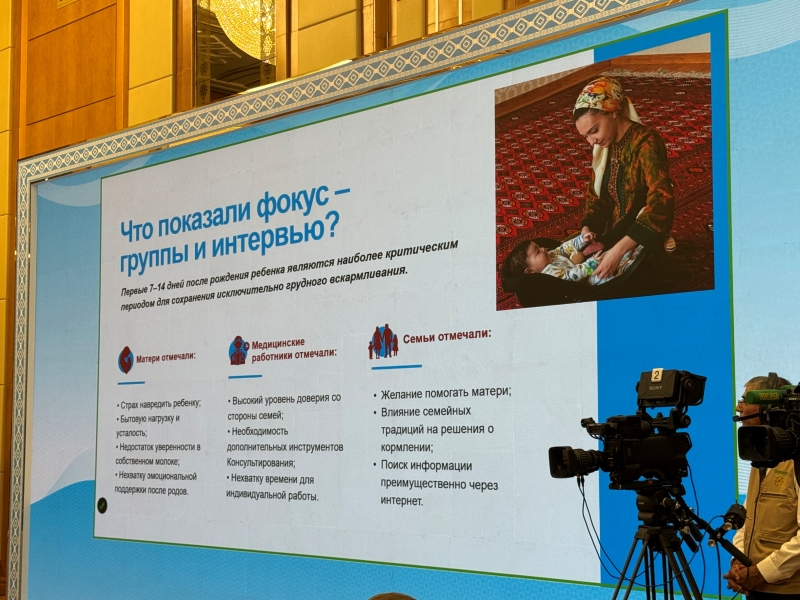
Much of the discussion focused on why mothers discontinue exclusive breastfeeding. The main barriers identified included:
- Psychological factors, including concerns about insufficient breast milk (reported in around half of cases), as well as postpartum exhaustion and depression.
- Family and social influences, such as conflicting advice from relatives and insufficient practical support at home.
- Systemic challenges, including heavy workloads for healthcare professionals that limit opportunities for individualized counselling, as well as the lack of breastfeeding-friendly facilities in workplaces and public spaces.
- Marketing of breast-milk substitutes, combined with the widespread misconception that infant formula is an equivalent alternative to breast milk.
At the same time, government institutions acknowledge these challenges and continue to closely monitor breastfeeding trends while pursuing a comprehensive approach to maternal and child health.
That approach combines legislative reform, investment in healthcare services, professional training, and community-based support—areas that featured prominently throughout the roundtable discussions.
The legal foundation for this work is Turkmenistan’s Law on the Promotion and Support of Breastfeeding. Authorities are currently preparing an updated version of the legislation and are also discussing the introduction of a national code regulating the marketing of breast-milk substitutes.
A key element of implementation has been the modernization of maternity and child healthcare services. Today, 95% of the country’s maternity hospitals (66 facilities) have been certified as Baby-Friendly Hospitals, reflecting compliance with internationally recognized breastfeeding standards.
The initiative is expected to expand to the primary healthcare level through the introduction of Baby-Friendly Health Homes, a national equivalent designed to strengthen breastfeeding support in community health services.
Another priority is the continuous training of healthcare professionals. Doctors and nurses receive specialized instruction in modern breastfeeding counselling and maternal support throughout pregnancy, childbirth, and the postnatal period. As part of the national campaign to promote exclusive breastfeeding—launched by the Ministry of Health and Medical Industry, the Gurbanguly Berdimuhamedov Charitable Foundation for Assistance to Children in Need of Care, and UNICEF—79 healthcare professionals and community breastfeeding counsellors have already completed specialized lactation training.
During the roundtable, Oguljahan Atabayeva, Vice President of the Gurbanguly Berdimuhamedov Charitable Foundation, proposed to focus on providing community peer counseling by local mothers. They can be trained by senior nurses or qualified lactation counselors. This might be in practice to some extent already, but it can be turned it into a structured national support system.
Public Awareness Campaign: Early Results
During one of the roundtable sessions, Nyazik Avlyakulova, Social and Behaviour Change Officer at UNICEF Turkmenistan, presented the initial results of a nationwide breastfeeding awareness campaign launched three months ahead of World Breastfeeding Week.
The campaign was implemented jointly by UNICEF, the Ministry of Health and Medical Industry, the Gurbanguly Berdimuhamedov Charitable Foundation for Assistance to Children in Need of Care, and the Women’s Union of Turkmenistan.
Beyond promoting the benefits of breastfeeding, the initiative was also designed to counter misinformation and common misconceptions about exclusive breastfeeding.
In its first week alone, six campaign videos—including a public address by Oguljahan Atabayeva—were viewed by more than 15,000 people through social media platforms and national television.
The campaign primarily reached adults aged 25–34, the country’s core childbearing-age population.
More than 53% of all views came from users who had previously shown no interest in breastfeeding-related content or UNICEF’s work, demonstrating the campaign’s ability to engage entirely new audiences.
According to UNICEF, one of the campaign’s strongest features was its use of authentic stories from mothers, whose personal experiences resonated strongly with viewers.
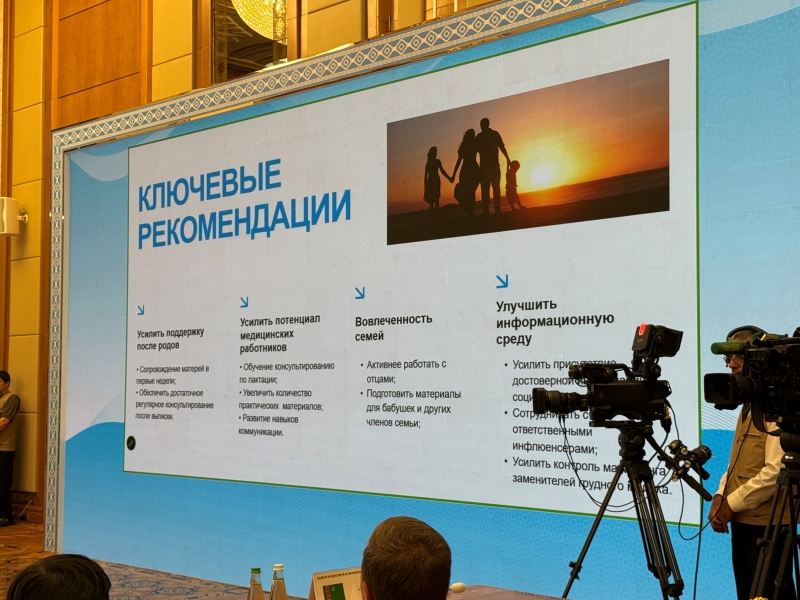
Building on these early results, UNICEF outlined several priorities for the next phase of its work:
- continue public awareness efforts to counter persistent myths and misinformation about breastfeeding;
- strengthen the counselling skills and interpersonal communication capacity of healthcare professionals;
- expand partnerships with media organizations and explore new communication platforms;
- engage employers and the private sector in creating breastfeeding-friendly workplaces for working mothers;
- continue joint efforts to protect and promote exclusive breastfeeding during the first six months of life while encouraging continued breastfeeding alongside complementary feeding until the age of two.
***
“In conclusion, both as the author of this article and from personal experience, I would like to emphasize that while successful breastfeeding is a profound responsibility for a mother, fulfilling this vital life role requires a coordinated effort and support from entire immediate environment—from her family to employer. While safeguarding maternal and child health begins with a strong legal framework, it is sustained through concrete daily actions: a grandmother’s encouraging advice, a timely consultation with a family doctor, or an employer providing the necessary accommodations for a mother to continue nursing after returning from maternity leave.
Experts agreed that Turkmenistan has established a solid foundation for protecting maternal and child health through legislation, healthcare reforms and national programmes. At the same time, the latest data indicate that sustaining exclusive breastfeeding requires stronger collective action and continued public engagement.
The recommendations emerging from the roundtable provide a clear roadmap: deepen public dialogue, strengthen professional and community support systems, and ensure that every mother has access to the information, services and enabling environment she needs to make informed decisions about infant feeding. By pursuing these goals, Turkmenistan is investing not only in healthier mothers and children, but also in the well-being of future generations. ///nCa, 6 August 2026
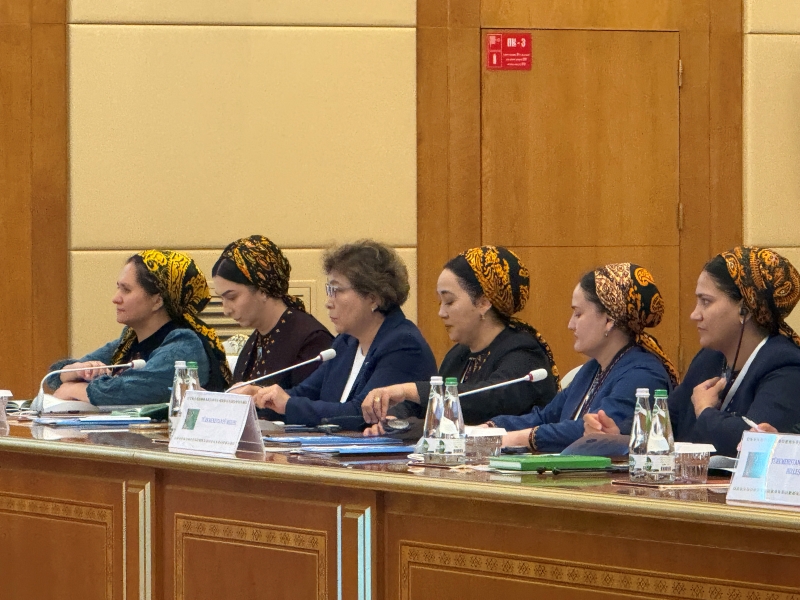
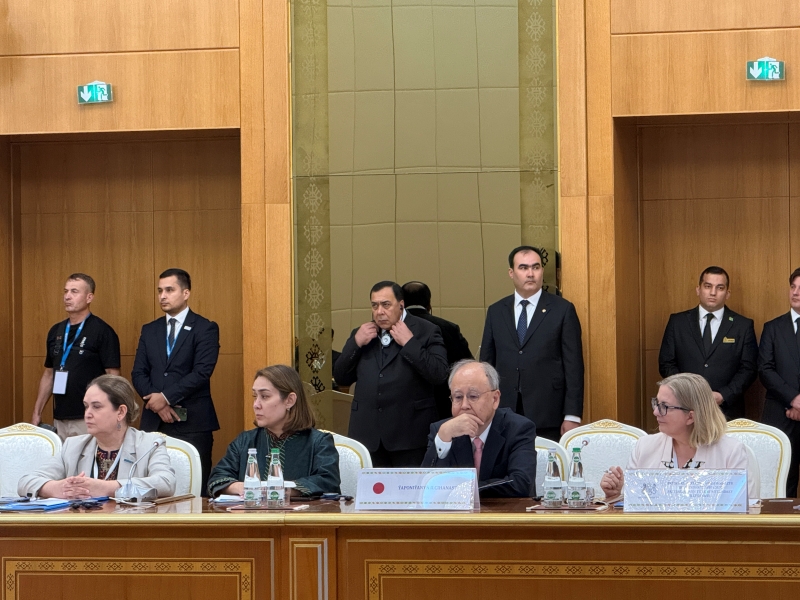
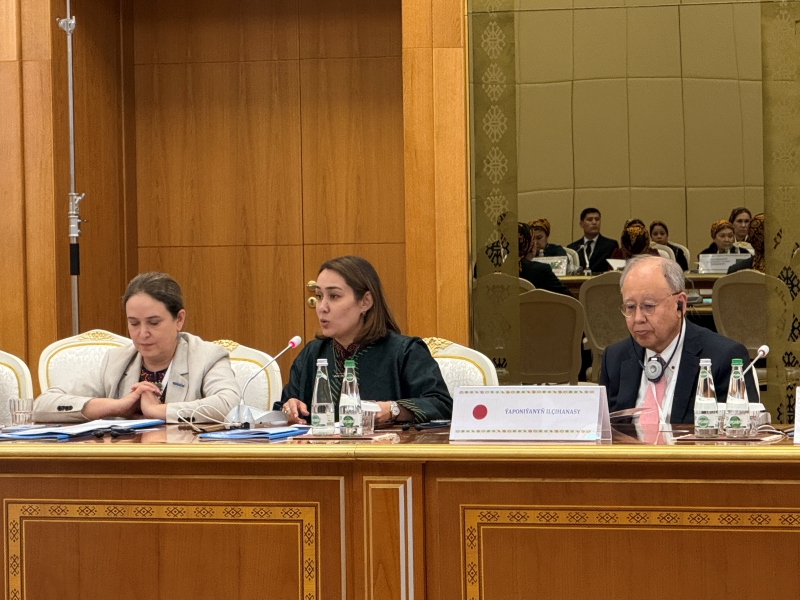
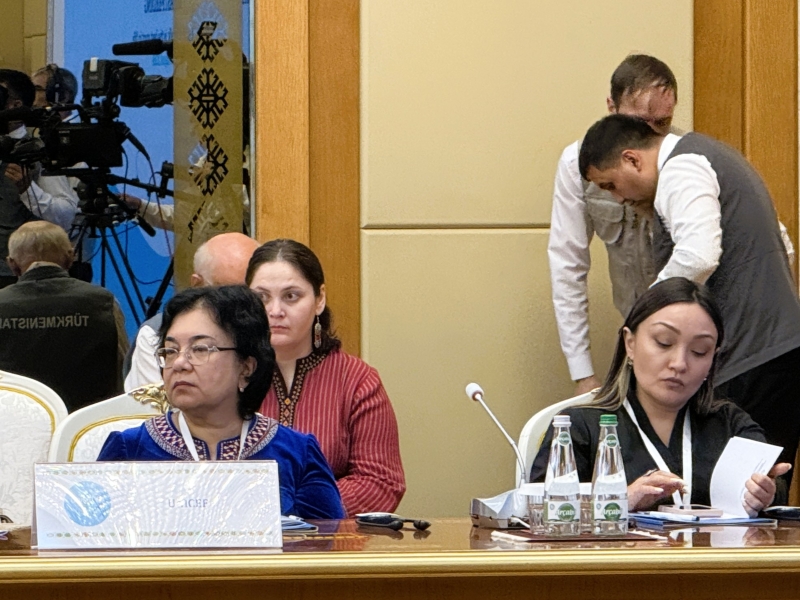
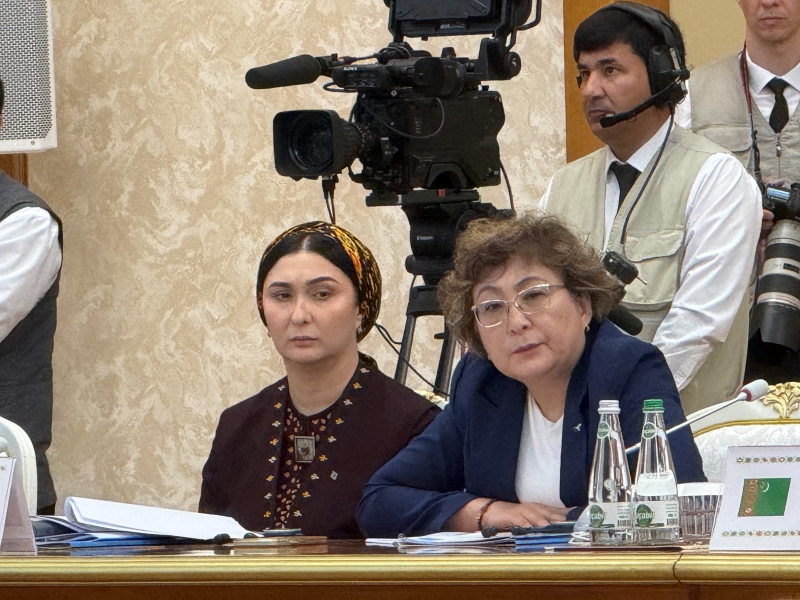
Here are some photos from the event: