


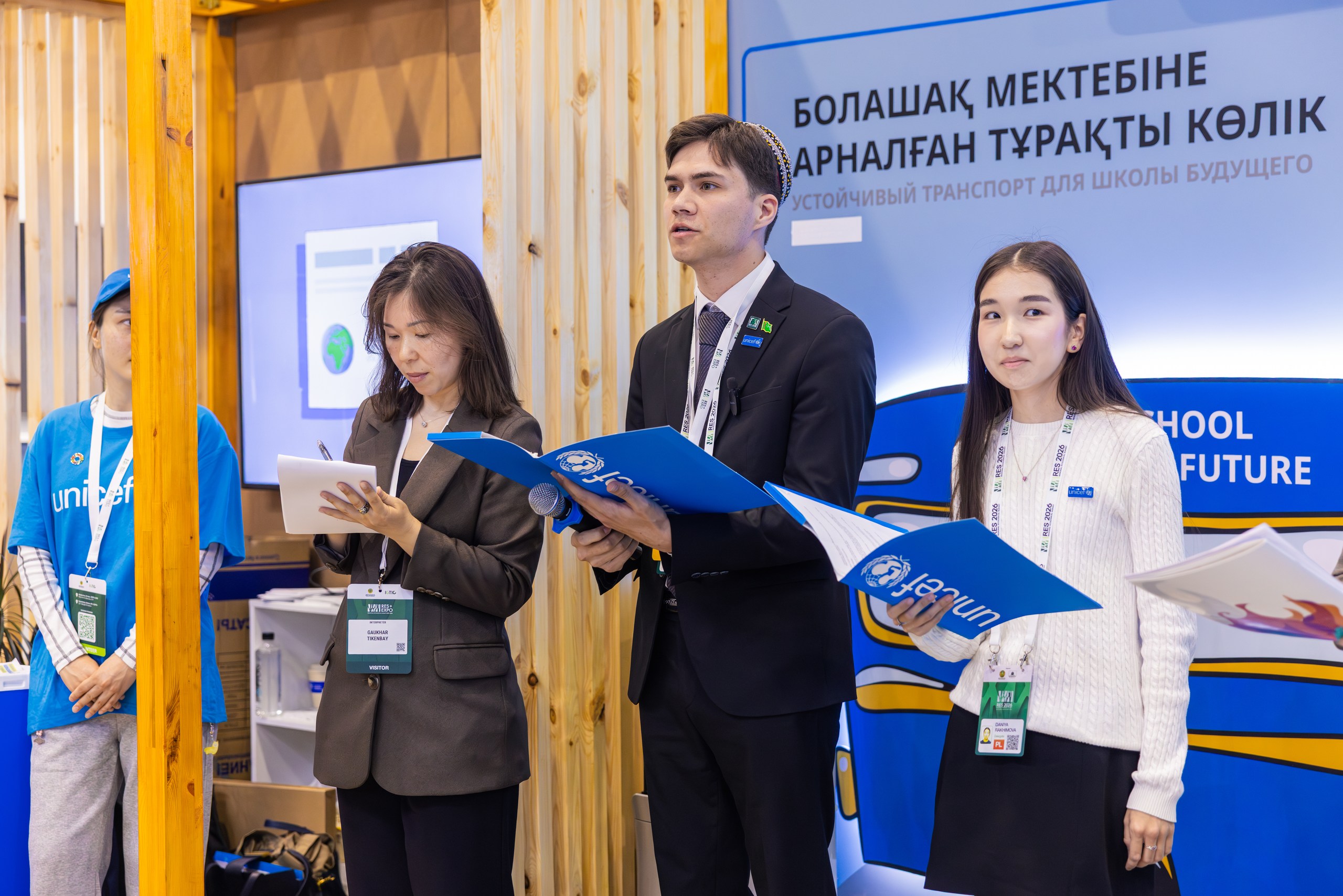
Astana, 24 April 2026 — Turkmenistan joined leaders from across Central Asia at the Regional Ecological Summit (RES 2026) in Astana and endorsed the Regional Green School Platform—alongside all Central Asian countries. The Platform aims to scale interventions that make education systems greener, safer and more resilient for children and young people.
Here’s why this endorsement matters for children and education:
- Protects children: Climate shocks can disrupt learning, affect health and increase risks for children—more resilient schools help reduce these impacts.
- Improves learning: Stronger climate and environmental education equips students with practical skills for a changing world.
- Accelerates investment: The Platform helps countries align partners and financing for climate-resilient, low-carbon school infrastructure.
- Elevates youth voices: It strengthens meaningful participation of children and young people in climate and development decisions.
A key outcome of the Summit was the region-wide endorsement of the Regional Green School Platform by Central Asian countries, together with development partners and international financial institutions. While countries highlighted that important work is already underway across the region, the Platform aims to bring efforts together and accelerate impact, by supporting stronger climate and environmental learning, scaling climate-resilient and low-carbon school infrastructure and strengthening meaningful youth engagement in environmental action and decision-making.
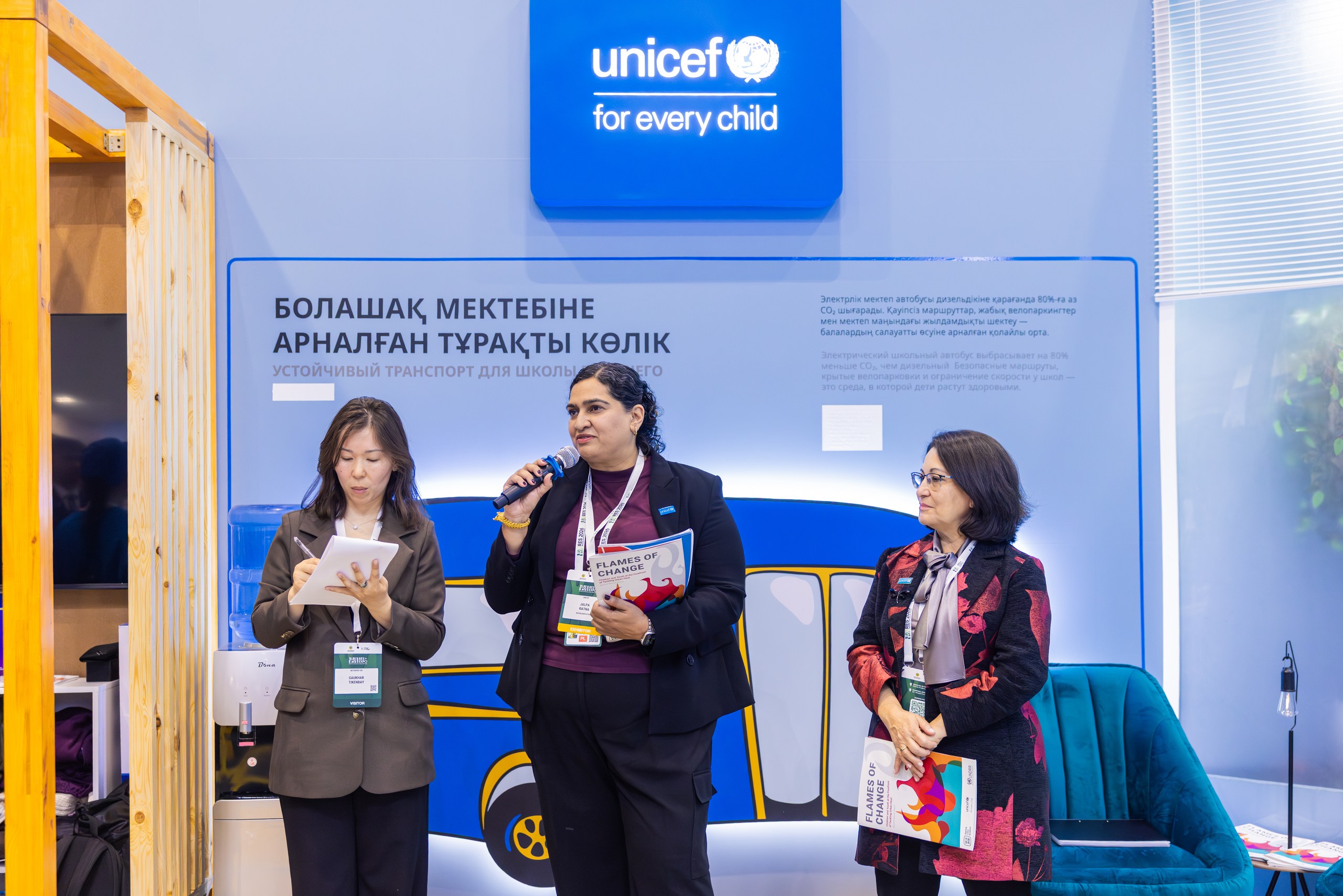
Turkmenistan’s delegation included Deputy Minister of Education Mr. Azat Atayev; representatives of the Ministry of Environmental Protection; UNICEF Turkmenistan Representative Ms. Jalpa Ratna; UNICEF staff; and youth delegates from local and international universities.
Turkmenistan is already embedding climate education across the full learning pathway: climate-related content is used in school programmes and adaptation is integrated into multiple subjects; the “Climate Box” toolkit was adapted in 2019 and an updated package for grades 2–11 was distributed in April this year; in 2023, methodological guides for teachers on climate adaptation and disaster risk reduction were produced and rolled out for practical use across five subjects; and in 2025, a new preschool curriculum and guide were developed alongside ongoing, systematic teacher capacity-building, while promoting schools as community hubs for climate action.
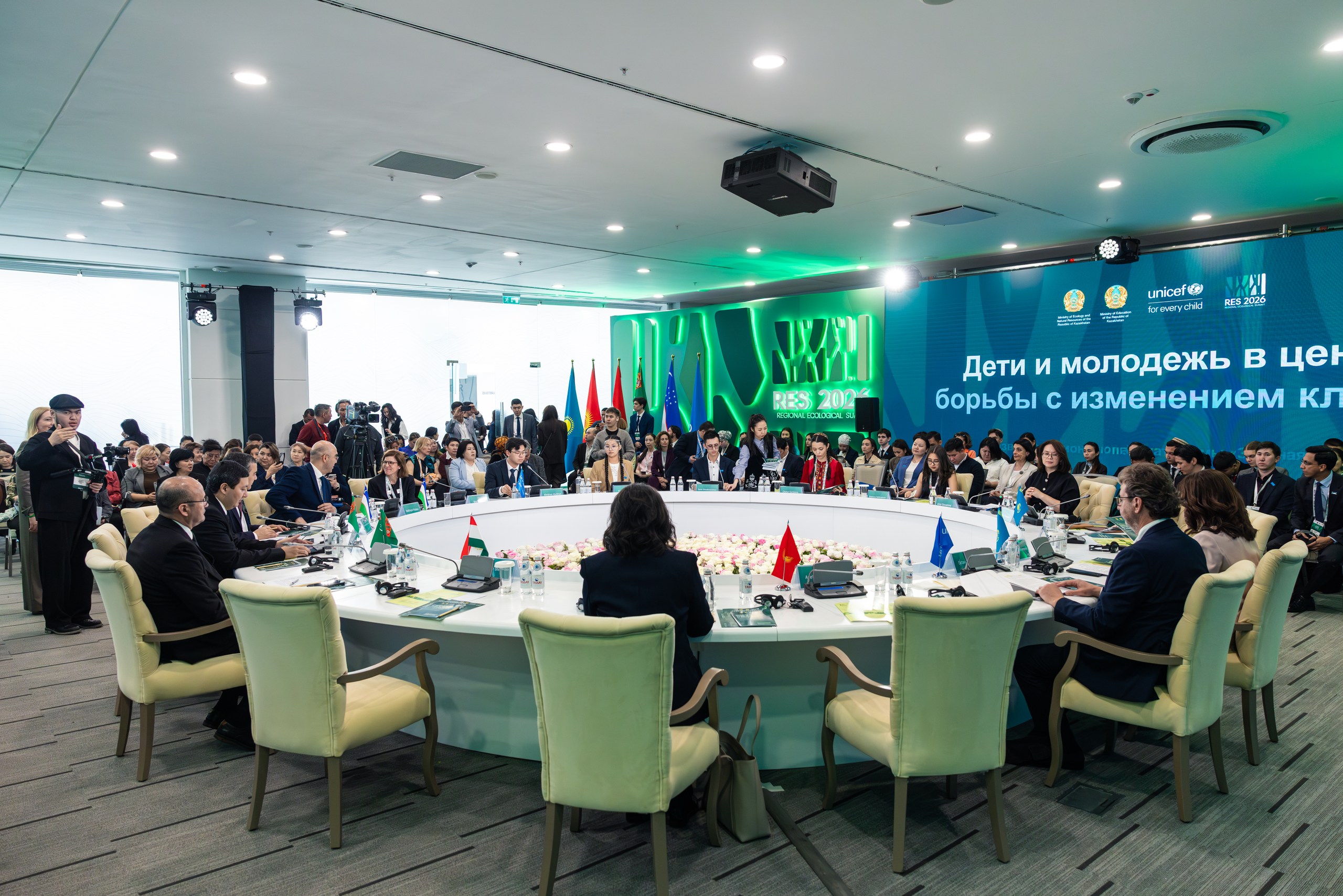
At the Round Table “Children, Youth and Climate,” the launch of the Regional Green School Platform was discussed with a clear message: children and young people must be at the table from the start. Youth representatives—including delegates from Turkmenistan—shared a youth statement and policy recommendations, underscoring that young people are not only affected by climate change, but are part of the solution. Turkmenistan emphasized that this agenda is also an investment in human capital development.
Turkmenistan’s recommendations for the platform underscored: practical solutions for climate-resilient school infrastructure (including energy-efficient schools, water-saving solutions); a regional bank of educational and methodological materials on climate education for preschool, school and non-formal education; a systematic regional programme for teacher training and professional development on climate change, sustainable development and disaster risk reduction; support for schools as platforms for children’s and youth environmental initiatives; and regional mechanisms for monitoring and exchange of experience so countries can track real changes in education systems—not only individual projects. Turkmenistan also called for practical, costed recommendations for the Platform – developed with partners and international financial institutions – to help mobilize financing and scale solutions for the region.
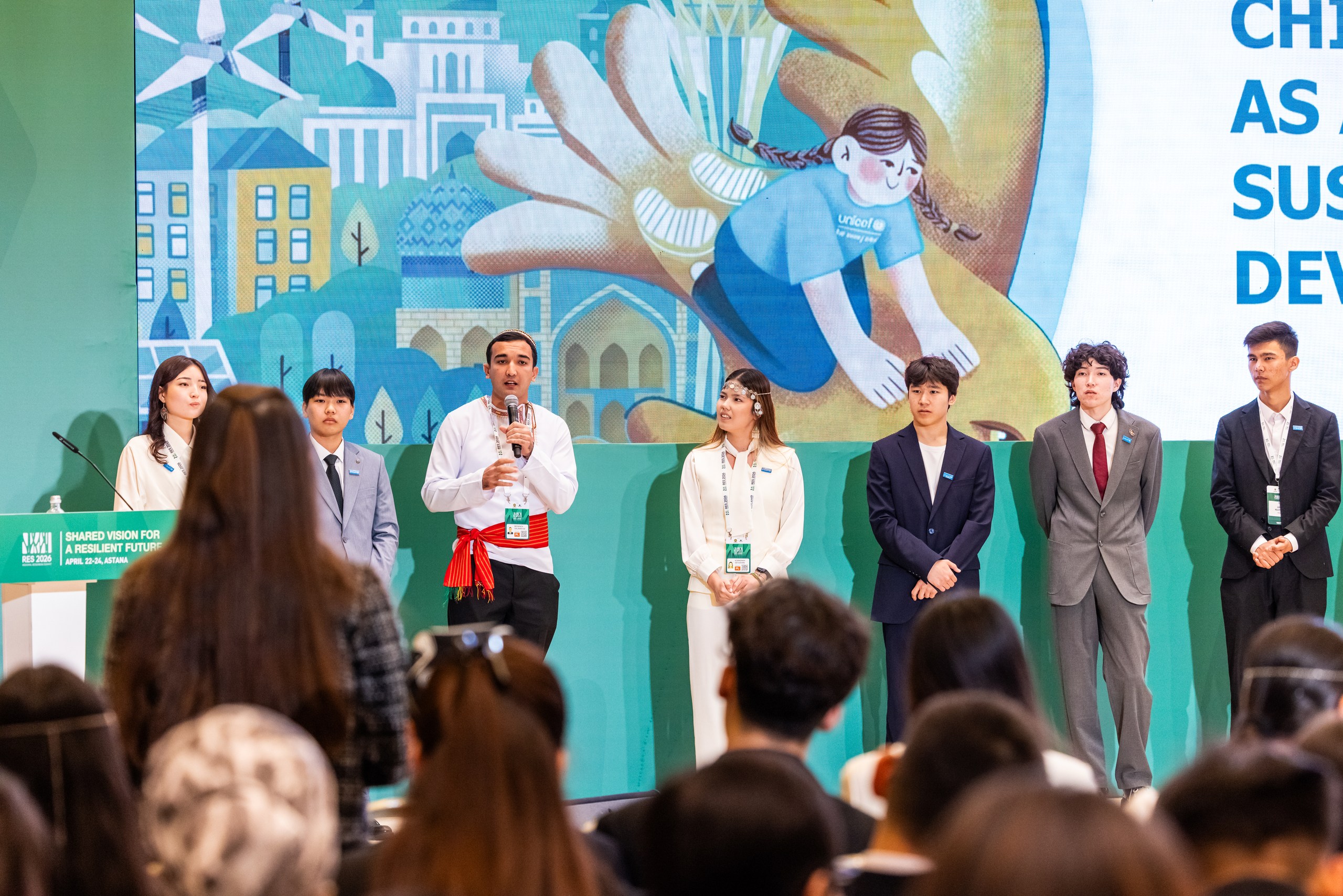
Turkmenistan’s participation underscores its commitment to work with Central Asian countries, development partners and international financial institutions to protect children and young people from the growing impacts of climate change, and equip them with the knowledge and skills needed for a greener future.
Summit discussions focused on how climate change is already affecting children’s health, learning and future opportunities, and on practical steps to strengthen education, health and environmental systems.
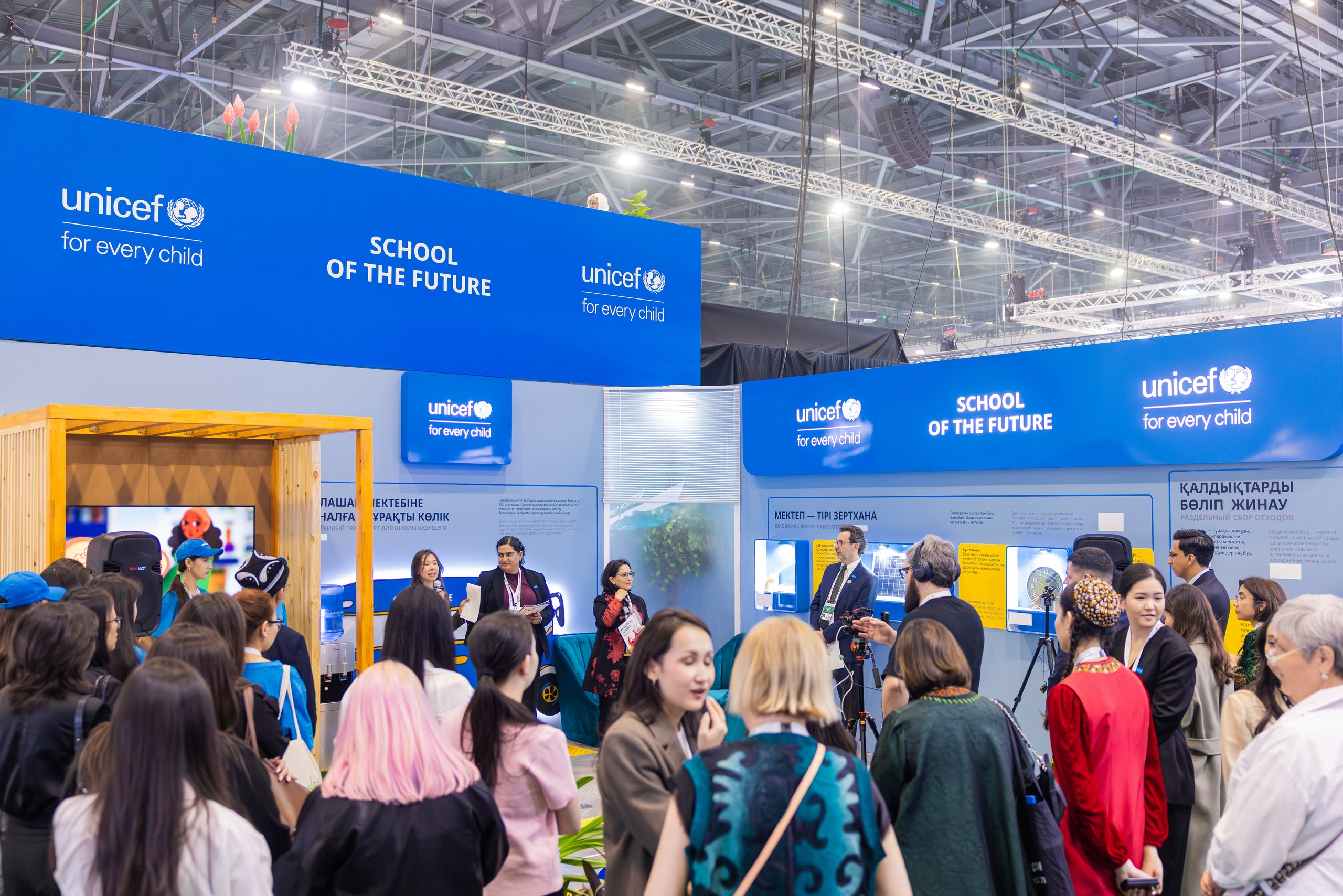
Across the Summit, UNICEF highlighted that children and young people help shape climate solutions through high-level dialogues, youth-led sessions and policy engagement. Youth from across the region, including Turkmenistan, shared priorities on how education systems can better prepare the next generation for the realities of a changing climate.
A key youth-focused event was the workshop “Future Ecosystem: Children and Youth as Architects of Sustainable Development,” which brought together young leaders from Central Asia to put practical solutions on the table. Participants explored sustainable water management, air quality, urban resilience and green transport, and discussed the skills and professions needed for a more sustainable future. The workshop created direct dialogue between youth, experts and decision-makers reinforcing that young people are not only affected by climate change, but are part of the solution. Youth delegates from Turkmenistan also participated in a press conference and the launch of the Flames of Change special report on children and youth at the forefront of tackling urban heat.
As climate risks intensify, UNICEF will continue working with the Government of Turkmenistan, Central Asian partners, development partners and international financial institutions to turn today’s commitments into action – delivering greener, safer and more resilient schools, stronger climate learning, and meaningful youth participation so every child can thrive.///nCa, 24 April 2026 (in cooperation with UNICEF Turkmenistan)