


As of December 2025
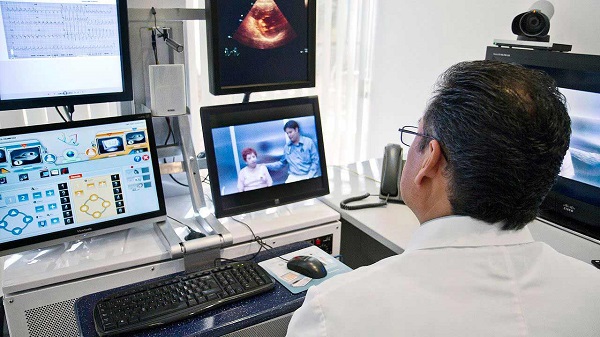
Telemedicine continues to make meaningful strides across Central Asia in 2025, with a clear focus on reducing the urban–rural healthcare gap. All five countries are advancing digital health solutions, though at different paces and scales. The most visible progress is in Kyrgyzstan, Kazakhstan, and Tajikistan, where internationally supported projects are already delivering remote consultations to mountainous and steppe villages. Uzbekistan is building momentum through innovation competitions, while Turkmenistan’s brand-new high-tech facilities offer promising foundations for future expansion.
Kyrgyzstan – the regional frontrunner in rural telemedicine rollout
The UN Joint SDG Fund programme “Bridging the Digital Health Divide” (WHO/UNDP/UNICEF/UNFPA, EU-funded) is in its intensive implementation phase throughout 2025 and is on track to reach the targeted remote districts by year-end. Family doctors in high-mountain areas now use the national Telemed.kg platform to transmit ECGs, ultrasound images, lab results and video consultations to specialists in Bishkek and Osh in real time. More than 40 % of consultations this year have concerned prolonged neonatal jaundice cases that were successfully managed remotely, sparing families multi-day journeys over mountain passes. The programme is widely regarded as the most advanced rural telemedicine initiative in Central Asia right now. Sources: Joint SDG Fund article (April 2025), Programme page.
Kazakhstan – nationwide rural telemedicine network goes live
Kazakhstan’s long-awaited rural telemedicine programme is launching in phases and is expected to be fully operational across remote districts soon. District doctors in villages without permanent specialists can now connect directly to republican clinics for cardiology, neurology, endocrinology and other consultations, and share imaging and test results instantly. The Ministry of Health and Kazakhtelecom signed the final agreements in mid-2025, and the first mobile telemedicine complexes are already operating in several regions. This directly addresses the acute shortage of doctors in rural areas and is one of the biggest digital health stories in the region this year. Source: Kursiv Media, 12 December 2024 (implementation continuing into late 2025).
Tajikistan – French-supported teleconsultation kits deployed in Sughd
A French government-funded project led by C3Medical has deployed portable “teleconsultation cases” (connected stethoscopes, ultrasound probes, dermatoscopes, otoscopes, etc.) to primary-health facilities in rural Sughd oblast. Local doctors can now perform specialist-grade examinations on the same day and receive immediate second opinions from regional or Dushanbe hospitals. The initiative specifically targets chronic diseases and maternal health in isolated mountain communities and is already operational in 2025 with plans for national scaling under the National Health Strategy 2030. Source: C3Medical project page.
Uzbekistan – HealthTech innovation wave reaching the regions
Uzbekistan is running the country’s first-ever nationwide series of HealthTech AI Hackathons, with the opening stage held in Nukus (Karakalpakstan) in October 2025. Winning teams developed AI-assisted ultrasound tools for rural maternal health, SMS-based telemedicine platforms for low-connectivity areas, and other solutions aimed at remote diagnostics. The hackathon series will continue across all 14 regions through 2026, creating a pipeline of locally developed digital tools that can be deployed in village health posts. Sources: UzDaily coverage, Times of Central Asia interview with Minister.
Turkmenistan – promising high-tech foundation
In October 2025 Turkmenistan opened the ultra-modern House of Health in Ashgabat, equipped with cutting-edge artificial intelligence systems and telemedicine capabilities. While currently serving the capital region, the centre represents the country’s most advanced integration of digital diagnostics and remote consultation technology to date and could serve as a prototype for similar facilities in velayat (provincial) centres in the coming years – a hopeful sign of future expansion of telemedicine services across the country. Source: News Central Asia, 11 October 2025.
Overall, 2025 has been the year when telemedicine moved from pilot projects to real-scale rural deployment in Central Asia. Kyrgyzstan and Kazakhstan are leading on immediate patient impact, Tajikistan and Uzbekistan on innovative tools, and Turkmenistan’s new flagship facility offers encouraging potential for wider rollout in the near future. /// nCa, 10 December 2025