


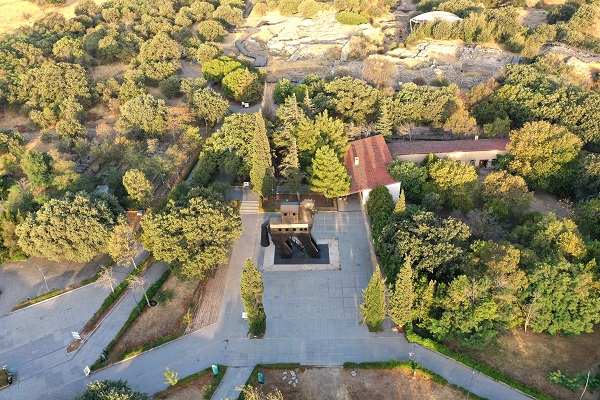
The latest blockbuster adaptation of The Odyssey is currently shattering box office records worldwide, bringing Homer’s timeless epic to the silver screen. Yet Troy, immortalised in The Iliad and The Odyssey, is far more than a story confined to literature or the silver screen. Located in Çanakkale, on Türkiye’s North Aegean coast, this ancient city still stands in all its glory, carrying over five millennia of history. What’s more, ongoing excavations led by the Ministry of Culture and Tourism are deepening our understanding of Troy’s past day by day, unearthing secrets long buried beneath the soil. As part of the 2026 dig season, archaeologists and researchers are tirelessly working to unearth new historical insights into Troy and the legendary Trojan War, which have inspired creative imagination from classic literature to modern cinema, from past to present.
Latest Digs to Uncover Trojan War
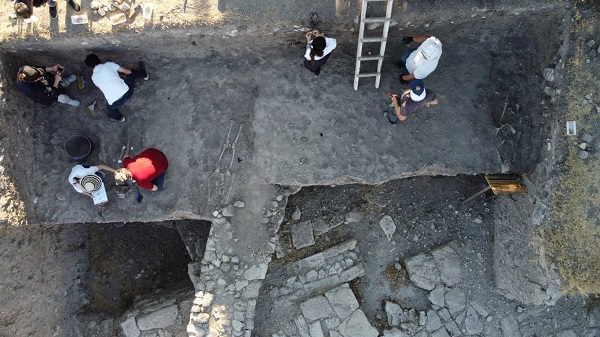
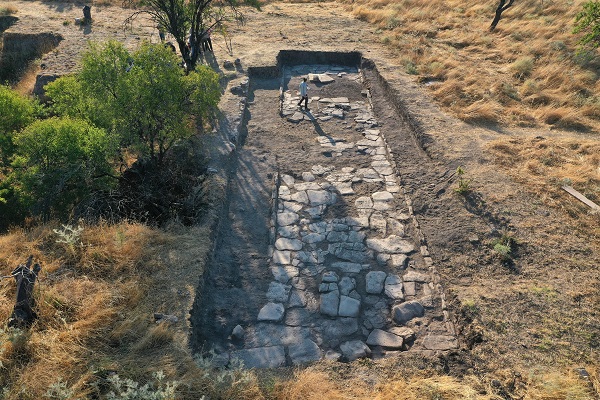
During the latest field season in Troy, excavations are bringing to light grand collonaded avenues and shopfronts at the site of the Lower City from the Roman Era, revealing the commercial and daily life of the period. Simultaneously, researchers are investigating traces of destruction around the Southern Gate in the Troy VI-VII layers, tied to the legendary Trojan War. Teams are also working deep within the Troy Citadel itself, uncovering the secrets of the Bronze Age palace structures. While these excavations unlock new chapters in Troy’s incredible story, the ancient city invites history lovers and mythology buffs to experience its richness firsthand. With the new movie capturing global imagination, now is the perfect moment to step into Priam’s city, feel history among ancient walls Hector fought to protect, follow Achilles’ footsteps, and witness the sharp wit of Odysseus in these storied lands. Before you head to the theatres—or right after you leave them—why not discover the real soil where it all began?
A 5,000-Year Legacy Across 10 Layers of History
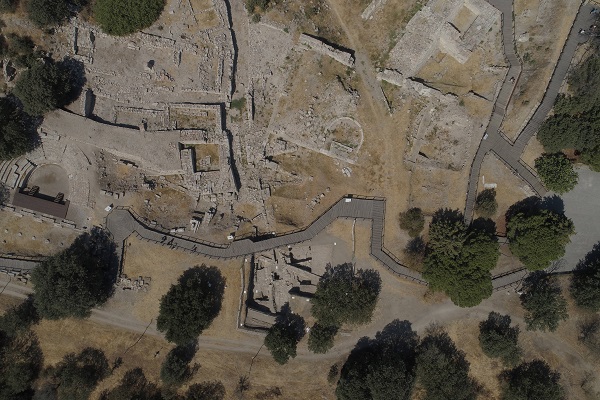
Troy is one of the world’s most layered cultural landscapes. Although the ancient city is best known for its legacy of the Trojan War, this UNESCO heritage site spans over 5,000 years of continuous settlement, from the Early Bronze Age to the Eastern Roman era, across its ten distinct layers. From the monumental walls of Troy VI to the remains of Roman civic life, these layers offer a rare opportunity to experience history as a physical passage through time.
What made Troy so unique throughout history was its strategic position at the crossroads of Europe and Asia, and between the Aegean and Black Seas. While this location ensured continuous settlement, the strong winds and the currents of the Dardanelles also made the city a safe shelter for ships, turning it into a powerful hub for trade and cultural exchange.
Myth Meets History
It comes as no surprise that poets like Homer and Virgil immortalised a city of such significance. Through their epics, the Trojans made Troy far more than just a city. Homer’s Iliad became a timeless symbol of heroism, while Virgil’s Aeneid framed it as the inspiration behind the founding of Rome. After all, in The Aeneid, following the fall of the city, Prince Aeneas embarked on a legendary voyage in search of a “New Troy,” ultimately reaching Latium—where his descendants would go on to found Rome in 753 BCE.
In fact, the Troy VII layer, destroyed by fire around the 13th century BCE, is widely identified as the city of King Priam, described in The Iliad. While archaeological evidence confirms a level of wealth consistent with Homeric descriptions, researchers continue their work to further strengthen the historical link between the epic and the physical reality of Troy. Furthermore, recent discoveries, such as Hittite texts and a Luwian seal, have confirmed Troy’s Anatolian identity, reaffirming the ancient site not only as a Homeric symbol but also as a deeply rooted Anatolian city with global influence. Thus, visitors will not only embark on a mythological journey here but also discover the history of one of the world’s most archaic lands.
Troy Museum: Uncover Troy, Layer by Layer
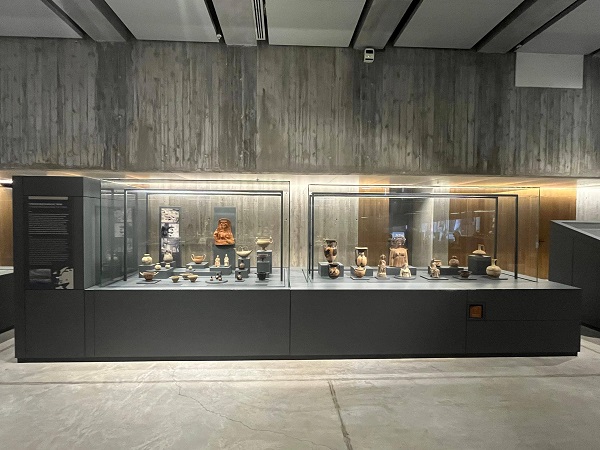
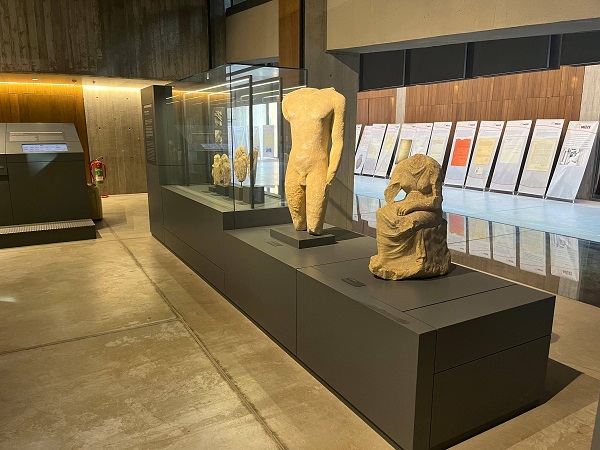
Located at the entrance to the ancient city, the Troy Museum offers the perfect complement to a visit to the archaeological site. The award-winning museum brings the story of Troy to life through immersive storytelling and contemporary exhibition design. The award-winning structure offers a chance to follow the story of Troy through seven different topics, displaying diverse artefacts from the excavations. As you make your way through the museum, you will discover the science of archaeology and archaeometry while following Troy’s many layers along its gently ascending ramps. From tombstones to large sculptures and extensive photographs, the museum offers a memorable journey through the history of one of the world’s most legendary archaeological sites.
Speaking of Troy and its museum, one other thing which has to be mentioned is the ongoing exhibition in Rome, Italy. The Colosseum Archaeological Park in Rome is hosting the major exhibition “Troy and Rome: Myths, Legends, and Stories of the Ancient Mediterranean” from June 12 to October 18, 2026. It features over 300 artefacts, including more than 220 loaned from 19 Turkish museums. ///nCa. 11 August 2026 (in cooperation with the Embassy of Türkiye to Turkmenistan)