


European Immunization Week (EIW), 19-25 April 2026, is an opportunity to celebrate the public health successes made possible through immunization. As EIW itself turns 20 this year, it focuses on the increasingly life-spanning benefits of vaccination: from the first weeks of gestation to older age, vaccines offer vital protection against many serious diseases, contributing to health and wellbeing throughout life.
Dr Egor Zaitsev, WHO Representative in Turkmenistan, emphasized:
“Vaccination remains one of the most effective public health interventions, protecting people at every stage of life. Turkmenistan continues to demonstrate strong commitment to maintaining high immunization coverage and strengthening trust in vaccines through the dedicated work of health professionals and sustained collaboration with national and international partners.”
European Immunization Week was rolled out across 53 countries in the WHO European Region in 2007 to increase awareness of the importance of every child’s need and right to be protected from vaccine-preventable diseases. Since then, the campaign has ensured high visibility of immunization efforts across the WHO European Region, while national immunization programmes have achieved a steady increase in public health gains and overall health security, including by broadening the focus of their programmes beyond childhood to also include vaccination during adolescence, adulthood and older age.
Millions of lives have been saved through vaccination, directly contributing to a 40% reduction in infant deaths globally in the past 50 years. Within the European Region, high routine immunization coverage has enabled its 53 countries to sustain polio-free status and achieve or make progress towards the elimination of measles, rubella and hepatitis B. Other once-common diseases including diphtheria and tetanus have been drastically reduced. Countries have also expanded immunization to protect children against more life-threatening diseases including pneumonia and rotavirus. Almost all countries in the Region include the human papillomavirus (HPV) vaccine in their immunization schedules for adolescents to prevent cervical and other forms of cancer. Pregnant women can now be protected against diseases including pertussis, influenza, COVID-19 and respiratory syncytial virus (RSV), helping to keep them, and their newborns, safe and healthy. Vaccines protect older adults against illnesses such as COVID-19, influenza, pneumonia, and shingles—reducing the risk of severe disease and hospitalization and helping them stay healthier longer.
Turkmenistan continues to maintain high routine immunization coverage through a strong national immunization programme that ensures equitable access to vaccines across the country. Sustained efforts by the Ministry of Health and Medical Industry of Turkmenistan, with technical support from WHO and partners including the European Union, contribute to strengthening vaccine safety systems, improving risk communication, and enhancing the capacity of health professionals to address questions about vaccination.
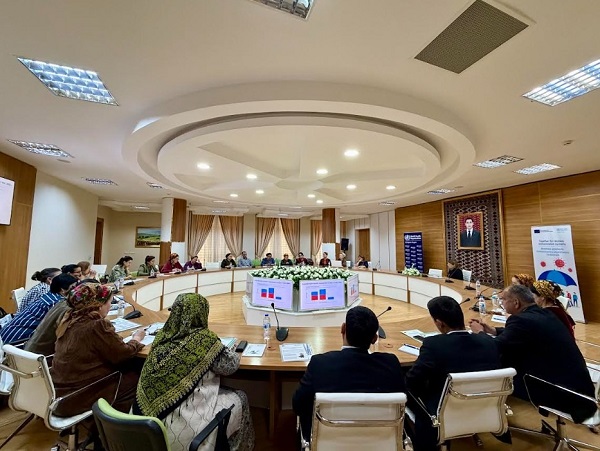
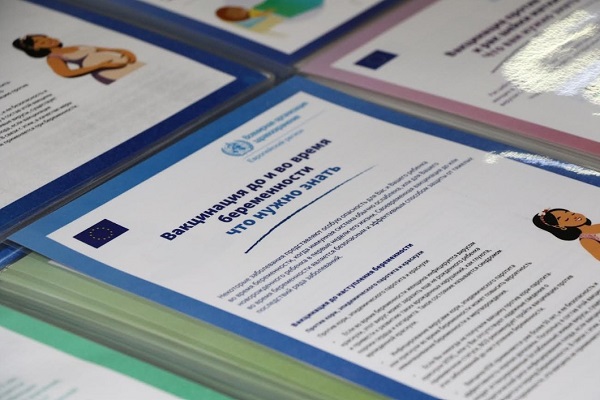
As part of European Immunization Week 2026, WHO Country Office in Turkmenistan and Ministry of Health and Medical Industry of Turkmenistan organized a series of activities, including a national conference, seminars for medical workers, and public awareness campaigns through social media platforms to promote understanding of vaccine benefits and reinforce confidence in immunization among the population. These efforts highlight the essential role of health professionals as trusted sources of information and key contributors to protecting communities from vaccine-preventable diseases.
Looking ahead
The success of national vaccination programmes, including in Turkmenistan, shows us what is possible when people work together to improve collective well-being. And more advances are yet to come. Novel vaccines in development offer potential tools to prevent more diseases, strengthen protection against diseases like HIV, malaria, polio and tuberculosis, minimize the threat of future outbreaks of as-yet unknown diseases and even help the immune system fight against some non-communicable diseases including some forms of cancer.
To sustain progress, strengthen health security and ensure healthier and safer lives for current and future generations, vaccination must remain a top priority in public health. Turkmenistan remains committed to reaching the goals and targets set by the European Immunization Agenda 2030, including by ensuring a strong national immunization programme that offers equitable access to routine and seasonal vaccination, sustaining community trust in vaccines, and by ensuring high-quality disease surveillance. /// nCa, 23 April 2026 (in cooperation with WHO Turkmenistan)