


Tariq Saeedi
Have you ever noticed how you’re more likely to strike up a friendship with the person sitting next to you in class or the neighbor across the street than someone halfway across the world? It’s not just coincidence—it’s this fascinating idea called the ‘Law of Proximity’ from social psychology.
Basically, it boils down to the fact that physical closeness breeds connection. We’re wired to form bonds, relationships, and even communities with those who are geographically near us.
Think about it: shared spaces lead to shared experiences, casual chats turn into trust, and before you know it, you’re relying on each other in ways that feel natural and inevitable. Psychologists have studied this for decades, showing how proximity influences everything from romantic attractions to workplace collaborations. It’s why dorm roommates often become lifelong pals or why city blocks develop their own little vibes.
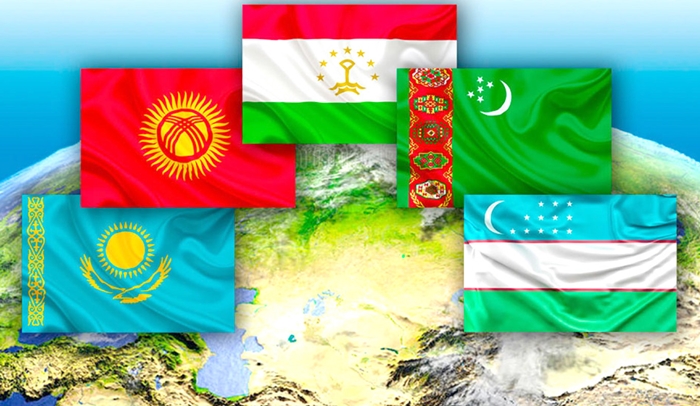
Now, imagine taking that same principle and scaling it up to entire nations. What if we recognized a geopolitical version of the Law of Proximity? It makes total sense when you look at Central Asia—a region made up of Kazakhstan, Kyrgyzstan, Tajikistan, Turkmenistan, and Uzbekistan. These five countries aren’t just neighbors; they’re practically intertwined, sharing borders that stretch across vast steppes, mountains, and deserts. Their geographical closeness has fostered a kind of natural cohesion that’s been building momentum, especially in recent years.
We’re talking about a contiguous bloc where policies and actions are increasingly aligned, not out of force, but because being close means dealing with the same challenges and opportunities together.
Take economic integration, for starters.
This region is primed for it in ways that feel almost predestined. Geographically, Central Asia sits right at the crossroads of Eurasia, linking Europe, Russia, China, and South Asia through ancient routes like the Silk Road that are being revived today with modern infrastructure projects.
Their resources complement each other perfectly—Kazakhstan’s oil and gas pair with Uzbekistan’s cotton and minerals, while shared rivers like the Amu Darya and Syr Darya demand cooperative water management that benefits everyone.
And there are the historical bonds; these nations share centuries of cultural ties from nomadic traditions to Turkic languages and a shared Soviet past that left them with intertwined economies and infrastructures. It’s that deep-rooted proximity that’s turning them into a powerhouse waiting to happen.
This unity isn’t just nice to have—it’s the backbone of their geopolitical strength.
In a world full of shifting alliances, coming together economically bolsters their collective spine. Stronger trade ties mean more leverage on the global stage, whether negotiating with big players like the USA, Russia, China or the EU.
We’ve seen this play out with initiatives that enhance intra-regional trade, build transport corridors, and even tackle shared issues like health and food security. The success of the whole region hinges on this solidarity on key issues, from energy to security. It creates space for each country to chase its own dreams—Kazakhstan pushing tech innovation, Kyrgyzstan focusing on tourism, or Tajikistan developing hydropower—while presenting a united front to the world.
That balance lets them grow individually without getting overshadowed.
The cool part? This geopolitical Law of Proximity is already kicking into gear in Central Asia. Just look at the growing wave of cooperation since 2020. There’s the trilateral agreement between Kyrgyzstan, Tajikistan, and Uzbekistan in 2025 that sealed cross-border energy and trade deals. Kazakhstan and Uzbekistan are leading the charge toward deeper integration, with summits like the Consultative Meetings of Central Asian Heads of State becoming regular fixtures for hashing out joint strategies.
The B5+1 Forum, backed by groups like the Center for International Private Enterprise, is accelerating things by targeting industries like transport and digital connectivity. Even external partners are jumping in—the EU’s €12 billion Global Gateway investment in 2025 is pouring money into sustainable projects across the region, while China-Central Asia summits are forging new railways and economic corridors. And don’t forget the World Bank’s regional approach to poverty reduction and resilience, which has been ramping up cross-border efforts. These aren’t one-offs; they’re building a web of partnerships that’s making the region more resilient amid global shakes.
So, why not lean into this fully? Every new challenge—be it climate change hitting those shared water resources, geopolitical tensions from afar, or economic opportunities like new trade routes—deserves to be viewed through the lens of this Law of Proximity. It encourages decisions that prioritize regional harmony over isolation, turning closeness into a strategic superpower.
In the end, Central Asia’s story shows us that sometimes, the best way forward is simply recognizing the power of being next to each other. /// nCa, 29 October 2025