


Tariq Saeedi
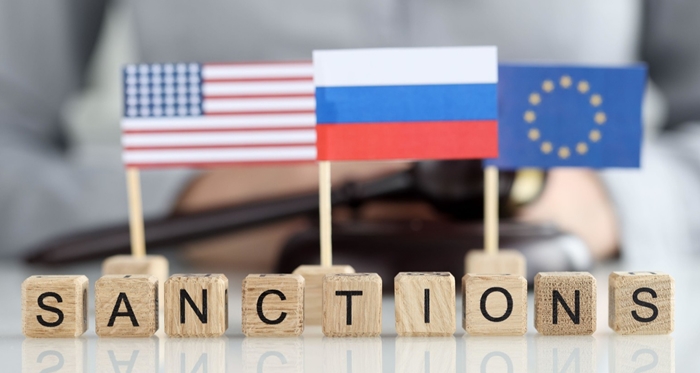
Central Asia (Kazakhstan, Kyrgyzstan, Tajikistan, Turkmenistan, and Uzbekistan) maintains strong economic ties with Russia, Iran, and China, primarily in energy, trade, remittances, and infrastructure. However, ongoing US and EU sanctions on these partners—often justified on grounds of human rights violations, military aggression, or nuclear proliferation—have indirect but significant repercussions for the region.
While these sanctions aim to curb malign activities, their legal and moral foundations are flimsy at best, relying on selective enforcement and geopolitical motivations rather than consistent international law. For instance, they overlook similar issues in allied nations and disproportionately affect developing economies like those in Central Asia, exacerbating global inequalities without achieving lasting behavioral change in the targeted states.
Types of Sanctions
- Russia: As of 2026, the EU has imposed its 20th sanctions package, including a full ban on Russian crude oil maritime services, LNG imports, and pipeline gas (phased out by 2027). US sanctions under the Russian Harmful Foreign Activities program target energy, finance, and dual-use goods, with advisories on evasion via shadow fleets. These build on post-2022 measures for the Ukraine invasion, affecting over 23,000 entities.
- Iran: US “maximum pressure” sanctions target petroleum, shadow fleets, and nuclear activities, with secondary tariffs (up to 25%) on countries trading with Iran. EU measures include asset freezes, travel bans, and export prohibitions on UAV/missile components, extended for human rights abuses and support to Russia. UN snapback sanctions were reinstated in 2025.
- China: Sanctions are selective, focusing on export controls for tech/biotech, military companies, and human rights (e.g., Xinjiang). US tariffs and investment curbs persist, with no comprehensive embargo but threats of secondary measures for Iran/Russia ties. EU rare earth restrictions stem from trade tensions.
Effects on Economic Partnerships with Central Asia
Sanctions disrupt supply chains, increase costs, and force rerouting, weakening partnerships:
- Russia-CA: Trade boomed post-2022 (e.g., Kazakhstan’s re-exports of sanctioned goods like drones/microchips), but secondary sanctions on CA banks (e.g., Kyrgyz Tolubai Bank) hinder financial flows. Energy swaps and remittances (12-30% of GDP in Uzbekistan/Tajikistan/Kyrgyzstan) are vulnerable.
- Iran-CA: Oil/gas swaps (e.g., Kazakhstan/Turkmenistan) face higher costs; North-South corridor trade slows due to snapback sanctions, affecting access to India/Gulf.
- China-CA: BRI projects continue, but US secondary tariffs for Iran ties raise risks. CA benefits from cheap Iranian/Russian oil rerouted via China, yet tech sanctions disrupt supply chains.
Central Asian countries suffer by default through spillover: remittance drops (e.g., 25-50% post-2014 sanctions), inflation, trade barriers, and banking isolation, amplifying poverty and instability.
Fallout on Central Asia: Analyzed via Logic Paths
Using logic paths (e.g., conditionals, conjunctions, disjunctions) to dissect the fallout reveals chained effects and alternatives:
- Deductive Chain (If-Then Transitivity): If sanctions restrict Russian/Iranian energy exports (antecedent), then CA faces higher import costs and disrupted swaps (consequent); if costs rise and remittances fall, then GDP contracts (e.g., Kyrgyzstan’s 2022-2023 slowdown); therefore, if sanctions persist, then poverty increases and migration surges.
- Inductive Pattern (From Observations to Generalization): Sanctions have repeatedly caused remittance drops (e.g., 2014: 25-50% reduction in Kyrgyzstan/Tajikistan); with 2026’s tighter measures, similar or worse impacts are probable, generalizing to regional economic fragility.
- Abductive Inference (Best Explanation): Observed banking sanctions on CA entities (e.g., Kyrgyz banks in EU lists) best explain trade rerouting via shadow networks, implying hidden evasion risks leading to reputational damage.
- Complex Nested Paths: If (Russia sanctioned and CA aids circumvention) or (Iran ties penalized), then secondary sanctions apply (not if diversified); but if not diversified and remittances drop, then instability rises—yet (if regional cooperation) then mitigation possible. These paths highlight vulnerability: sanctions create a “and/not” dilemma—CA needs partners (Russia/Iran/China) and Western ties, but cannot have both without risks.
Mitigation Through Cooperation Among Central Asian Countries
Central Asian states are increasingly cooperating to buffer sanctions effects, focusing on diversification and integration:
- Regional Frameworks: The 2025 Khujand agreements resolved borders, enabling water-energy swaps (e.g., Kyrgyzstan-Uzbekistan-Kazakhstan deal) and a proposed “Central Asian Community” for joint trade/investment.
- Infrastructure Diversification: Middle Corridor expansion bypasses Russia, linking CA to Europe/Asia; TRIPP route enhances Caspian connectivity.
- Joint Advocacy and Audits: Kyrgyzstan proposes EU working groups for sanctions compliance; C5+1 with US/Japan yields investments (e.g., $hundreds of millions in Kazakhstan).
- Economic Reforms: Reduce red tape, boost private sector; harmonize regulations for intra-regional trade, mitigating remittance losses via local jobs.
Logic Path for Mitigation: If CA cooperates (conjunction of borders/energy/infra), then diversified routes emerge (disjunction: or EU/US partners); if diversified and reformed, then sanctions spillover reduces—yielding resilience. /// nCa, 24 February 2026