


Tariq Saeedi
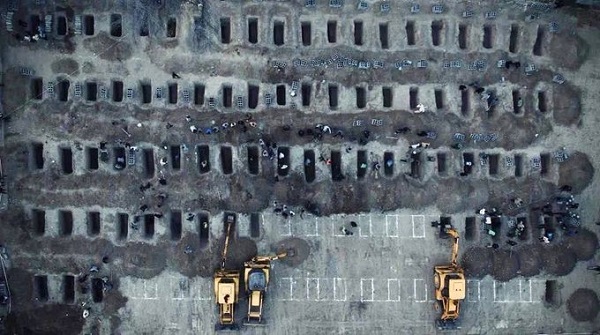
The initial phase of the US-Israeli strikes on Iran, followed by Tehran’s counterattacks, has produced immediate and visible primary effects: widespread death and destruction across targeted sites. Among the most tragic incidents was the bombing of a girls’ school in Minab, southern Iran, where reports indicate at least 165 students aged 7 to 12 and school staff lost their lives.
A mass funeral procession drew thousands of mourners, underscoring the human cost of the conflict.
Civilian casualties in Tehran and other cities, alongside military losses on both sides, have compounded the devastation, with infrastructure damage disrupting daily life for millions.
Meanwhile, the secondary and tertiary repercussions are unfolding rapidly, spreading like wild mushrooms through interconnected global systems. These extend beyond the battlefield, affecting economies, societies, and international relations in ways that could persist long after the fighting subsides.
Energy markets have reacted sharply to the disruption. Crude oil prices surged in the conflict’s early days, with Brent crude climbing to around $83 per barrel—a rise of over 15% from pre-strike levels—before settling near $79. US West Texas Intermediate followed suit, reaching about $76.
This volatility stems partly from Iran’s blockade of the Strait of Hormuz, a vital chokepoint through which roughly 20 million barrels of oil pass daily, accounting for about a fifth of global supply.
More than 150 tankers, laden with millions of barrels, remain stranded in the Gulf, unable to transit safely.
Natural gas prices in Europe have skyrocketed, with the Dutch TTF benchmark jumping 70% to over €60 per megawatt-hour, driven by the temporary shutdown of Qatar’s Ras Laffan LNG plant after Iranian drone strikes.
Saudi Aramco’s Ras Tanura refinery, capable of processing 550,000 barrels daily, also halted operations following a drone attack, further tightening supply.
These energy shocks ripple outward. Shipping insurance rates in the Gulf have tripled in some cases, with war risk premiums reaching 1% of a vessel’s value—up from 0.2%—and several insurers canceling coverage outright.
This has deterred maritime traffic, exacerbating delays and costs.
In the Gulf states, where sea routes are lifelines for food imports, prolonged closures pose risks to supplies; Iran itself relies on the strait for about 14 million tonnes of grain annually, heightening fears of shortages or even famine if disruptions endure.
Broader supply chain interruptions are emerging, from electronics components to fertilizers, as rerouting adds weeks to transit times and inflates expenses.
Air travel has ground to a halt in much of the region, with major hubs like Dubai and Doha closing airspace and canceling thousands of flights. Tens of thousands of passengers remain stranded, leading to cascading losses: reduced airport revenues, heightened security costs, and uncertainty over when normalcy might return. Airlines and tourism sectors in the Gulf, already fragile, face prolonged downturns as images of strikes on civilian infrastructure erode perceptions of safety.
Politically, the conflict is prompting a reckoning among Gulf nations hosting US military bases. Strikes on facilities in Bahrain, Kuwait, Qatar, Saudi Arabia, and the UAE have killed civilians and damaged infrastructure, fueling debates over the risks of alignment with Washington.
Some states have raised military readiness levels, while others privately lobby for de-escalation.
This erosion of US credibility—viewed by critics as aggressive overreach—could reshape alliances, with Russia and China positioning themselves as stabilizers amid the chaos.
In the US, the war’s domestic fallout includes potential impacts on the upcoming midterm elections. Prolonged engagement, rising casualties, and higher fuel costs could undermine Republican support, especially if voters prioritize economic stability over foreign policy gains.
The timing also coincides with unrelated domestic scandals, such as the release of over 3.5 million pages from the Epstein files in early 2026, which have resurfaced questions about elite accountability and distracted from policy debates.
Other repercussions are mounting. Global stock markets shed trillions in value initially, with the Dow dropping over 1,000 points amid fears of sustained inflation. Gold prices surged as a safe haven, while currency fluctuations weakened emerging markets.
Environmental concerns loom from potential oil spills in the Gulf, and humanitarian crises in Iran—exacerbated by damaged infrastructure—could trigger refugee flows.
Cyber escalations, with reports of Iranian-backed hacks on critical sectors, add another layer of vulnerability.
The risk of a global recession grows if oil exceeds $100 per barrel for an extended period, stoking inflation and choking growth. While short-term containment might limit damage, a drawn-out conflict could entrench these effects, testing economic resilience worldwide.
As the situation evolves, these interconnected repercussions highlight how localized violence can cascade into broader instability, with outcomes that remain uncertain. /// nCa, 4 March 2026