


December 29, 2025

Early Detection

I am 40 and from Sarahs. I discovered I had diabetes by chance – during a routine health check-up at my previous job. I had no complaints and felt completely healthy. But a blood test revealed elevated 6.8 glucose level. I was referred to an endocrinologist. The doctor said this was above the norm and that I needed an additional test for glycated hemoglobin, which shows the “average” blood sugar level over three months. To my surprise, I didn’t even have to go to Ashgabat for it; I could get the test done right there at the polyclinic in Sarahs. My glycated hemoglobin was also above normal.
“You have type 2 diabetes,” the doctor said after reviewing all my tests. It was a shock for me. Yes, I knew about diabetes – my mother has it. But I always thought I definitely wouldn’t get it.
Accessible Treatment
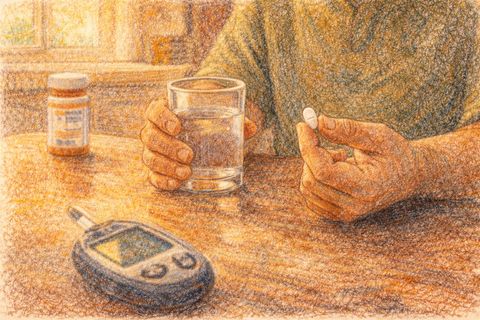
The doctor explained that I was lucky – the diabetes was detected at an early stage. But she warned me: the disease cannot be cured, only controlled. Almost immediately, after checking that my liver and kidneys were fine, I was prescribed a medication – metformin.
Mentally, I was prepared to start buying pills. But it turned out that wasn’t even necessary. I was registered at the Sarahs polyclinic, and every month I started receiving metformin for free. I took it twice a day as prescribed. And I still take it to this day.
Ongoing Control
They also detected hypertension, which I was unaware of. A cardiologist selected medications for me, which are also provided to me for free at the polyclinic. And now my blood pressure is stable.

Yes, I have to regularly get my blood sugar, creatinine, and albumin checked at my local polyclinic near home to monitor my kidney health. I also get my cholesterol checked there every six months. The doctor explained that with my lifestyle and diagnosis, this is very important: with diabetes, cholesterol plaques form on blood vessel walls faster, which means a higher risk of heart attack and stroke. But all of this is checked quickly – no need to travel to the capital or abroad.
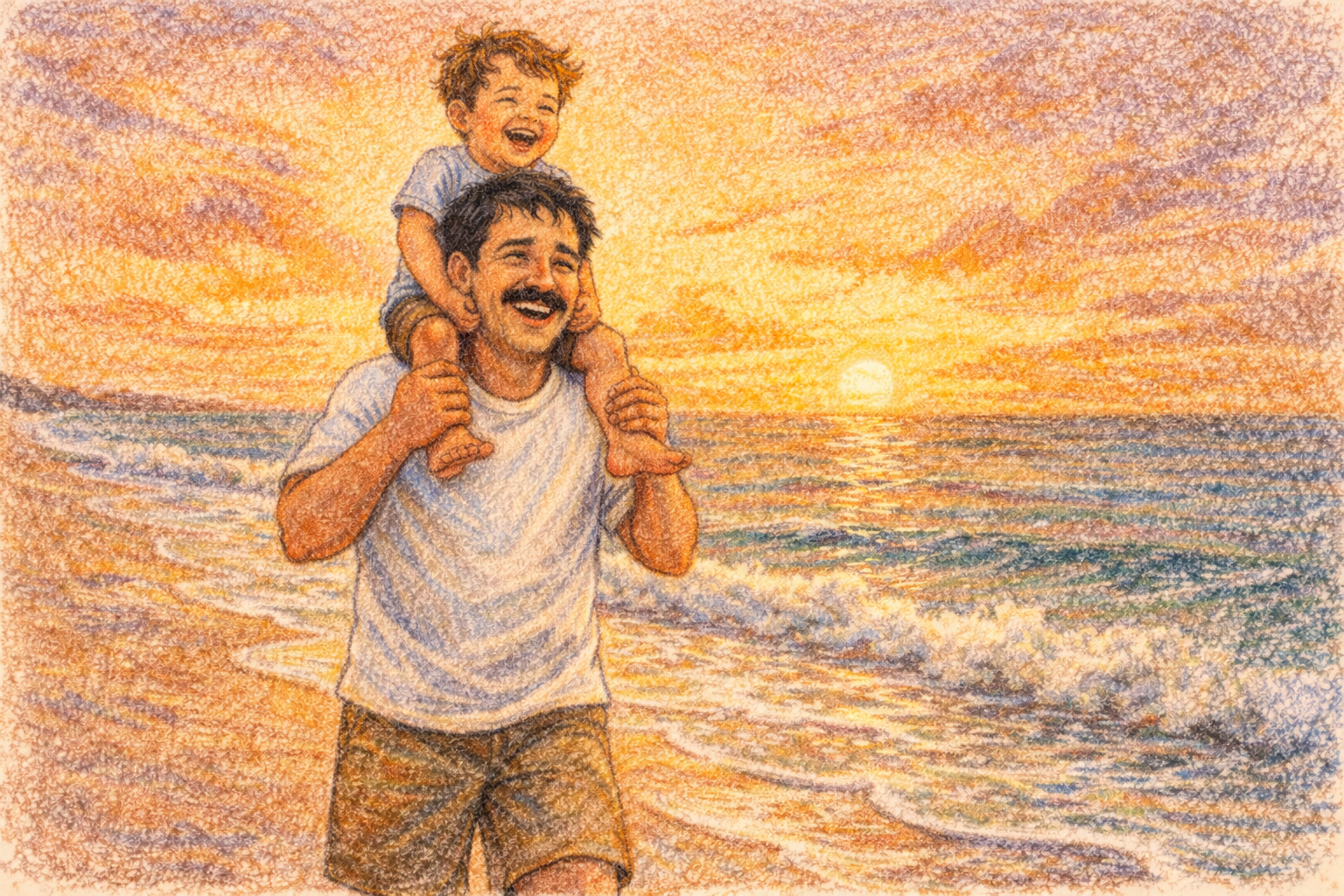
Today, I have been living with diabetes for 3 years. I keep it under control! I take my medication, try to watch my diet, check my sugar, and see my doctors. I feel like a person again, not a hostage to the disease. I can work and provide for my family. I can afford to have fun with my younger son without falling apart. We even went on a summer vacation to the seaside!
Within Walking Distance
I hope my example helps those who are also facing this problem. The most important thing is not to face the illness alone. Go to the polyclinic, see the specialists – they will help, just as they helped me. Many don’t even know that now, in any etrap, you can get almost all tests done at the polyclinics; any etrap has modern laboratories with reagents in stock.
I now send all my neighbors to our polyclinic. And many have already gotten checked: some also had high sugar, some had liver issues, some had heart problems. They started treatment right there, receive medications – they don’t even have to buy them – and feel better than before. Isn’t that happiness?
UNDP and Turkmenistan: Jointly Strengthening the Healthcare System
In Turkmenistan, UNDP, in partnership with the Ministry of Health and Medical Industry, continues to implement projects aimed at strengthening the healthcare system, ensuring access to diagnostics and quality medicines. Under these initiatives, clinical laboratories are being equipped – from velayat centers to remote etraps across the country – and reagents for conducting a wide spectrum of various tests are being procured. Medications for the treatment of infectious diseases and non-communicable diseases – cardiovascular, neurological, endocrinological, oncological, and rare conditions, including those requiring lifelong therapy – are also being supplied.
Access to timely treatment and prevention allows people to maintain their health, ability to work, and quality of life. This opens up opportunities to focus on education, work, and participation in society on an equal basis with others. For the state, this means less disability, fewer social payments, and reduced spending on costly treatment of complications. Healthy people continue to work, pay taxes, and develop the economy, and every investment in prevention yields a manifold return.
“Universal health coverage, based on the prevention and early detection of diseases, is a fundamental investment in a healthy society and a strong economy, where every resource invested is multiplied by the productivity of citizens. Building on successful experience in innovative technologies, UNDP and Turkmenistan will continue to collaborate in building a resilient healthcare system. Our joint focus is aimed at the widespread expansion of access to diagnostics and treatment, the digitalization of services, and the strengthening of human resource capacity, to make healthcare a driver of sustainable development for every resident of Turkmenistan,” – notes Narine Sahakyan, UNDP Resident Representative in Turkmenistan. ///UNDP Turkmenistan, 29 Dec 2025