


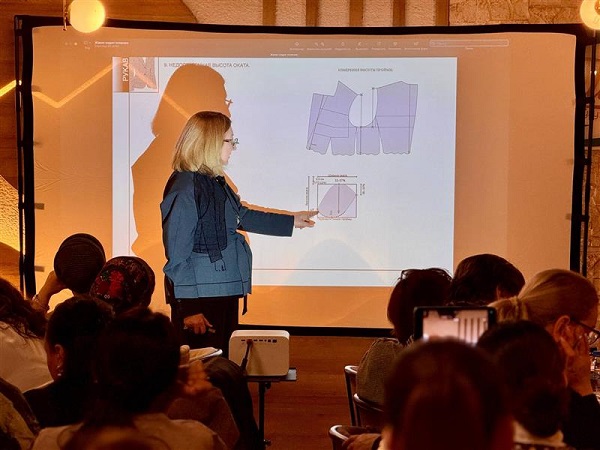
The second phase of a practical training for specialists from Turkmenistan’s garment industry, ateliers and design studios took place in Ashgabat from 9 to 13 February. The training focused on pattern correction for various fit defects and the construction of women’s upper garments. The event was organised by the International Trade Centre (ITC) under the European Union-funded project “Turkmenistan: Enhancing Trade Resilience and Integration.”
A total of 25 representatives from the private sector took part in the training. During the first days, participants explored practical approaches to taking measurements and constructing garment bases, while learning to consider the characteristics of different body types. Particular attention was given to how garment fit influences product perception and customer confidence, as well as to common mistakes that lead to fitting issues.
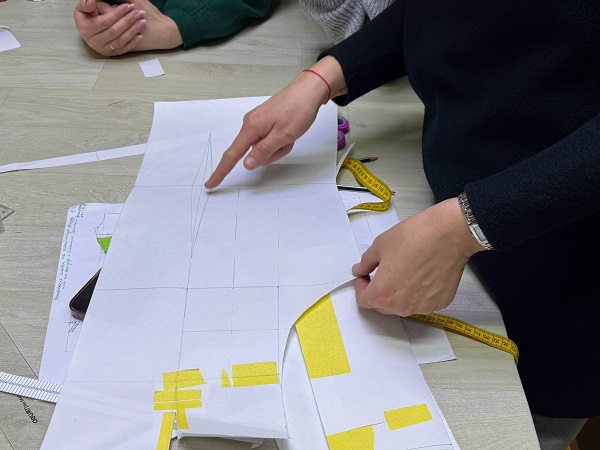
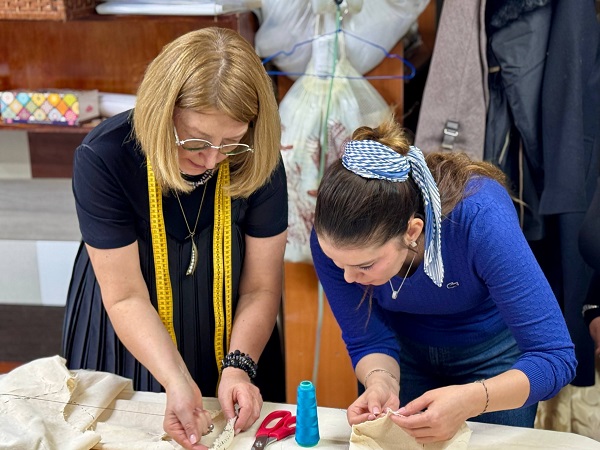
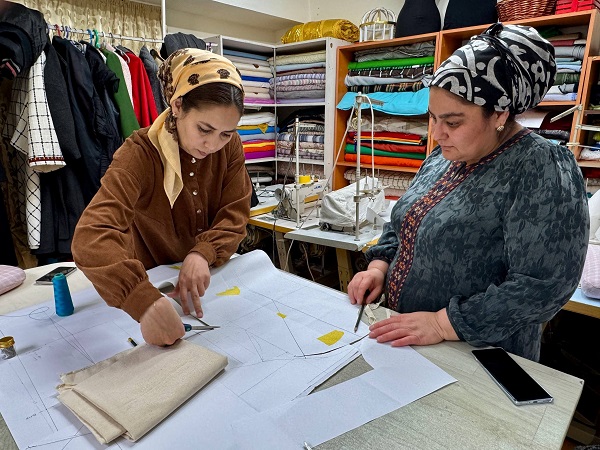
Throughout the training, participants consolidated their knowledge through practical exercises, discussed real working situations, and received recommendations on improving the quality of finished products. The final day focused on the most common fit issues in upper garments, including shirts and jackets. The programme also featured a presentation entitled “The Jacket Fits Perfectly,” which demonstrated practical methods for improving garment fit and overall appearance.
This activity marked a continuation of ITC’s systematic work to develop the textile cluster and support SMEs. The applied nature of the training enables participants not only to immediately implement newly acquired skills to enhance product quality, but also to gain exposure to modern trends and tools that can help transform local ateliers into competitive brands.
About the project “Turkmenistan: Enhancing Trade Resilience and Integration”
The project, funded by the European Union, aims to support economic development and decent work in Turkmenistan by improving the business climate and enhancing the competitiveness of SMEs. It contributes to Turkmenistan’s engagement in regional and global trade, including with the European Union. ///nCa, 14 February 2026 (in cooperation with ITC)