Elvira Kadyrova
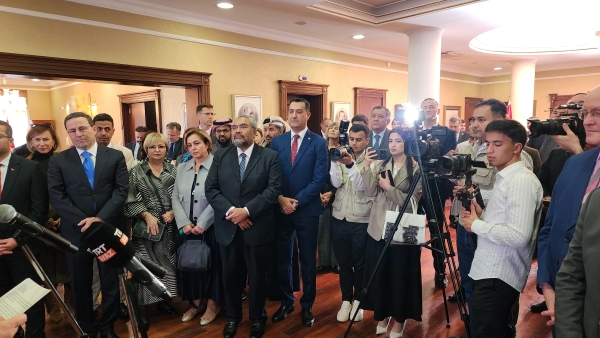
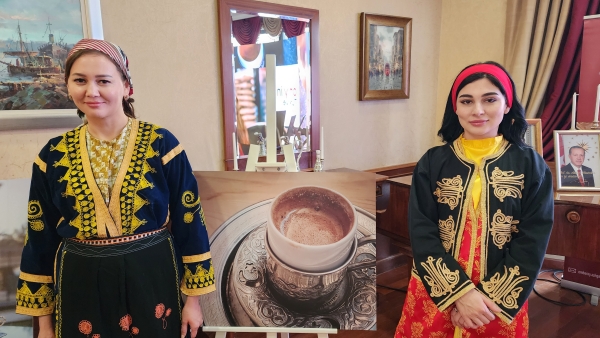
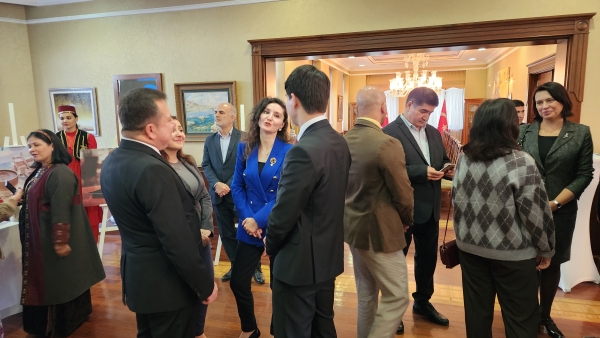
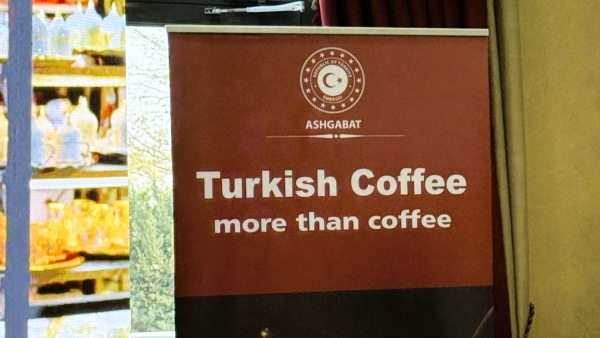
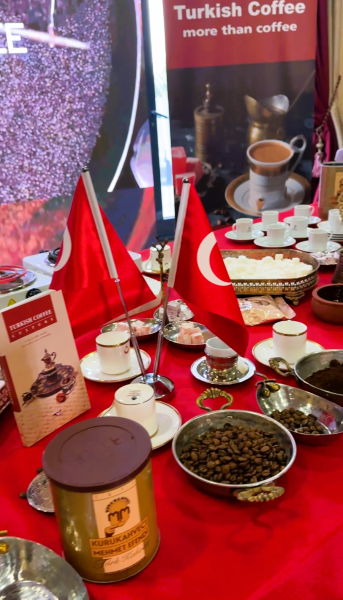
On 5 December 2025 in Ashgabat, at the residence of the Ambassador of Türkiye Ahmet Demirok, an event took place to mark World Turkish Coffee Day. Representatives from diplomatic circles, public and cultural figures, and mass media participated in the celebration.
Welcoming the guests, Ambassador Ahmet Demirok told to the attendees about the significance of Turkish coffee culture in society and expressed gratitude to all present for taking part in this event.
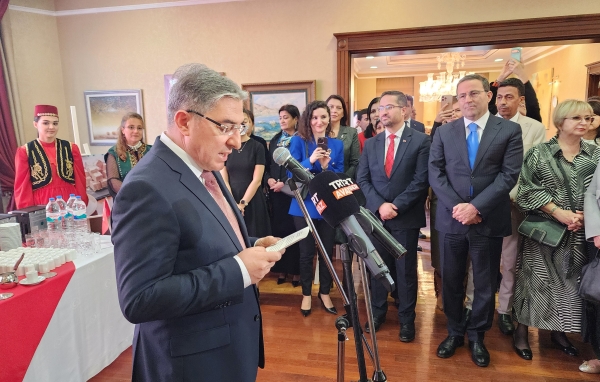
The Ambassador emphasized: “World Turkish Coffee Day reminds us that this heritage is no longer confined to the borders of Türkiye. Today, Turkish coffee is enjoyed in many parts of the world – in homes, cafés and restaurants – and is increasingly recognised as a refined, slow and shared way of experiencing coffee. In this sense, it serves as a bridge between cultures, inviting us to pause, to listen and to engage with one another.”
The ambassador reminded the famous Turkish proverb, which says: “A cup of coffee is remembered for forty years.” It expresses the idea that even a small act of kindness can create a lasting bond between people.
The importance of this tradition has also been acknowledged at the international level. In 2013, “The Culture and Traditions of Turkish Coffee Preparation” were inscribed by UNESCO on the Representative List of the Intangible Cultural Heritage of Humanity. This underscores that Turkish coffee is not merely a brewing method, but a collection of practices, rituals, and values that foster dialogue, social cohesion, and intergenerational continuity.
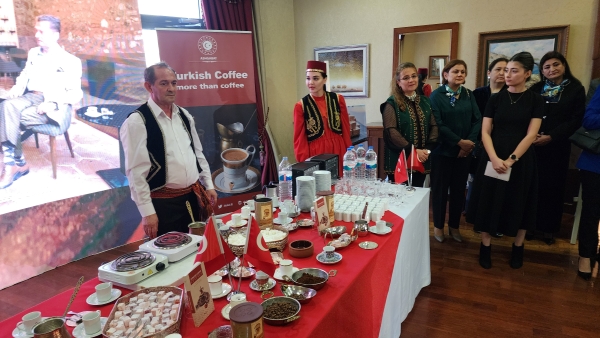
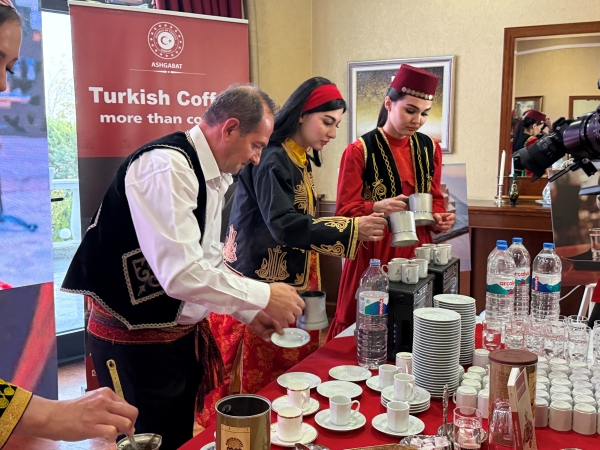
Following the speech and video presentation, we all witnessed the magic of coffee preparation.
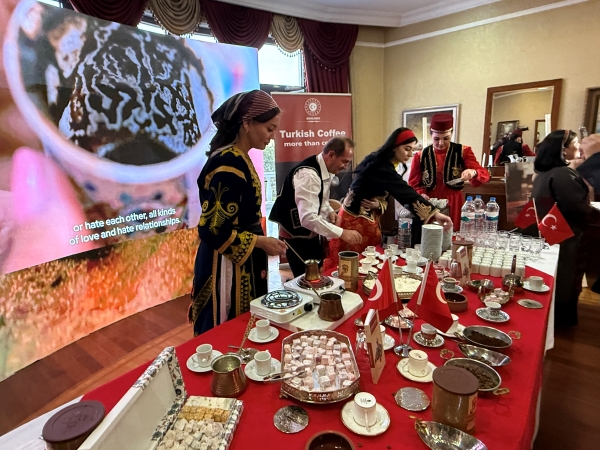
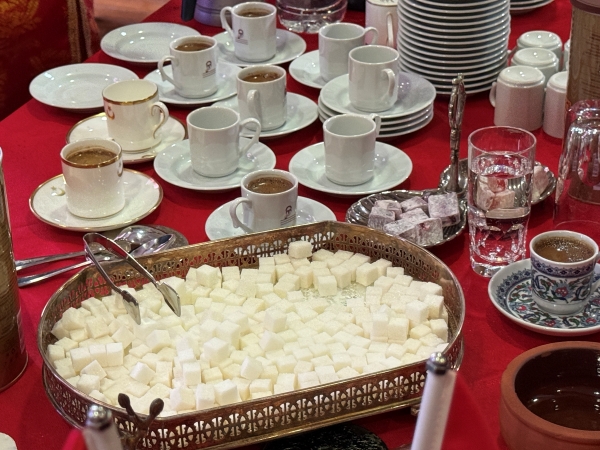
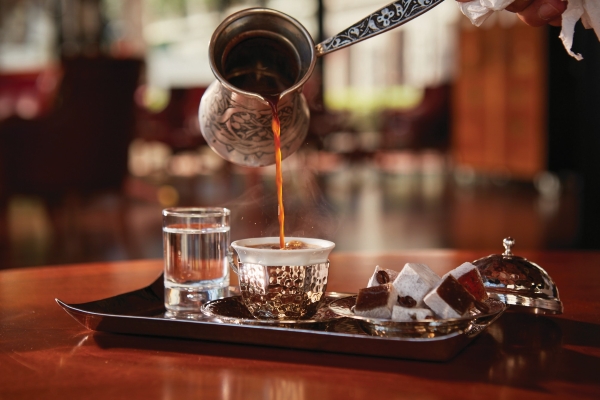
The uniqueness of Turkish coffee lies in the fact that it has been prepared in the same way for centuries. The beverage is brewed in a special vessel—a cezve—from finely ground beans, bringing the mixture to a boil. The finished drink is poured into cups, forming a velvety foam. Unlike other types of coffee, Turkish coffee is served with the ground coffee particles. Traditionally, it is accompanied by a glass of water and sweets such as Turkish delight (rahat-lokum).
Grinding and brewing methods can vary across different regions of Türkiye. For example, in the Aegean region, coffee is sometimes brewed with mastic, while in Gaziantep, the homeland of pistachios, menengiç coffee—made from sun-dried wild pistachios—has become popular. In the southeastern provinces of Şanlıurfa and Mardin, mirra—also known as bitter coffee—is widely consumed.
Cultural Heritage Tested by Centuries
Coffee originated in the Rift Valley (presumably in Ethiopia), the same place where, according to scientists, humanity itself emerged. Yemen became the first country to cultivate coffee and monopolized its trade starting from the 15th century, exporting beans from the famous port of Mocha (Mokka).
In the 16th century, Yemen was conquered by the Ottomans. It was then that the governor of Yemen, Özdemir Pasha, brought coffee beans to Istanbul and introduced Sultan Suleiman the Magnificent to this invigorating beverage.
Thus, coffee entered the sultan’s court and then began its triumphant spread throughout the Ottoman Empire, laying the foundation for the centuries-old Turkish coffee tradition.
By the way, the tradition of “kahvaltı,” one of the most important morning meals in Turkish culture—the Turkish breakfast—literally means “before coffee.” In Türkiye, when visiting friends or relatives, Turkish coffee is always served as a welcoming drink. Coffee is also an integral part of weddings, celebrations, engagements, birthdays, and other significant events.
In the world today, 3 billion cups of coffee are consumed daily, and one out of every 200 cups is coffee brewed Turkish-style in a cezve.
The event at the residence of Ambassador Ahmet Demirok became another opportunity to highlight the richness of Turkish culture and the significance of Turkish coffee as a symbol of hospitality and traditions that have united people for centuries. ///nCa, 5 December 2025.
Here are some photos from the event: