


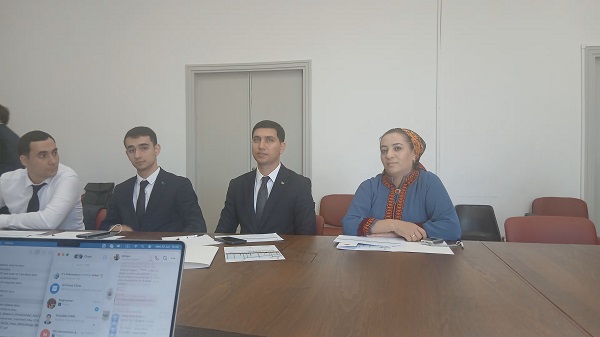
Группа туркменских государственных служащих приняла участие в продвинутых программах обучения в Италии, направленных на укрепление устойчивого развития сельского хозяйства, институционального управления и устойчивости к климатическим изменениям. Об этом сообщается в статье Залилы Розыевой, старшего преподавателя Академии государственной службы при Президенте Туркменистана, опубликованной THP.
Обучение проходило с 15 по 19 июня в Болонье в рамках поддерживаемого европейскими партнерами проекта BRIDGE (Укрепление устойчивости в целях развития посредством управления и образования). Программа была сосредоточена на устойчивом развитии сельских районов, климатических рисках, таких как засуха и дефицит воды, интеграции международных стандартов и внедрении систем мониторинга, соответствующих Целям устойчивого развития ООН.
Участники изучили стратегии управления сельскохозяйственными и экологическими рисками, обратив особое внимание на уязвимость Туркменистана к изменениям климата. На долю сельского хозяйства приходится примерно 11–13 процентов ВВП страны, и оно обеспечивает занятость значительной части рабочей силы, в то время как учащающиеся засухи и нагрузка на водные ресурсы создают растущие вызовы для сектора.
В ходе семинаров также был освещен европейский и центральноазиатский опыт в области укрепления институциональной подотчетности и совершенствования управления в сфере развития сельских территорий. Согласно публикации, знания, полученные в ходе программы, планируется внедрить в процесс подготовки будущих государственных служащих в Туркменистане.
Помимо курса в Болонье, представители Туркменистана посетили программы повышения квалификации в Римском университете Сапиенца, охватывающие вопросы транспорта, индустриализации, цифровизации, стратегического планирования, управления проектами и цифрового управления. Обучение включало практические визиты на итальянские промышленные и логистические объекты, что позволило участникам непосредственно ознакомиться с современными методами управления и технологическими практиками.
По окончании курсов участникам были вручены сертификаты, подтверждающие освоение новых навыков. Данные программы призваны поддержать усилия Туркменистана по укреплению государственного управления, продвижению цифровой трансформации, содействию устойчивому развитию и наращиванию институционального потенциала в таких областях, как «зеленая» экономика, управление водными ресурсами и адаптация к климатическим изменениям./// nCa, 25 июня 2026 г.