


On the eve of World Bicycle Day, celebrated annually on 3 June following Turkmenistan’s initiative, a series of sporting events were organized by Turkmenistan’s diplomatic missions abroad to promote a healthy lifestyle, environmental awareness, and international cooperation.
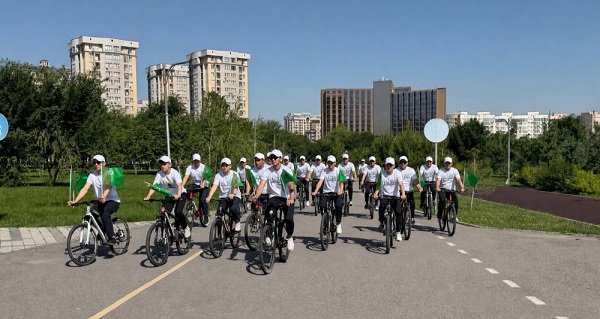
On 31 May 2026, the Embassy of Turkmenistan in the Kyrgyz Republic organized a cycling event in the Intymak Park of Bishkek. The event brought together embassy staff, Turkmen students, and representatives of the Turkmen diaspora. Participants were informed about the significance of the Year “Independent, Permanently Neutral Turkmenistan – Homeland of Purposeful Heavenly Horses,” as well as Turkmenistan’s role in the adoption of the United Nations General Assembly resolution proclaiming World Bicycle Day in 2018. Participants emphasized the unifying power of sport in strengthening friendship, mutual understanding, and cooperation among nations.
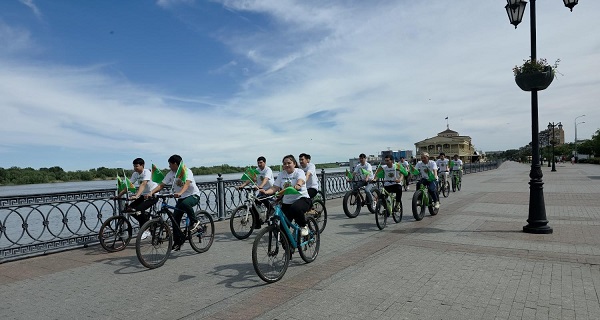
On the same day, the Consulate of Turkmenistan in the Russian Federation (Astrakhan city) organized a cycling event with the participation of consular staff and Turkmen students studying at higher educational institutions in the region. The cycling route passed along the embankment of the Volga River. It was noted that World Bicycle Day reflects the international recognition of Turkmenistan’s initiatives aimed at promoting sustainable development, healthy living, and environmental protection.
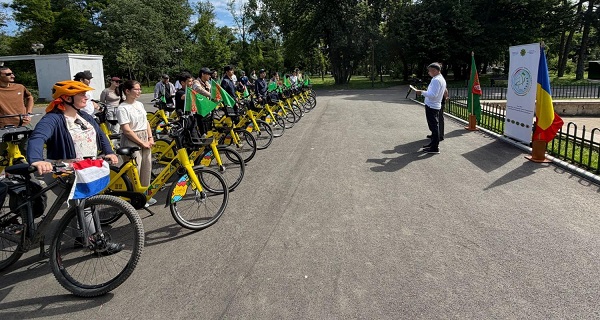
On 30 May 2026, a cycling event was also held in Bucharest at the initiative of the Embassy of Turkmenistan in Romania, with the support of the Bucharest Municipality and the Green Revolution Association. The event brought together heads of diplomatic missions, representatives of Romanian state institutions, Turkmen citizens, and students. During the opening ceremony, the importance of sports diplomacy as an effective instrument for strengthening international cooperation, promoting peace and mutual understanding, and advancing Turkmenistan’s foreign policy priorities was highlighted.
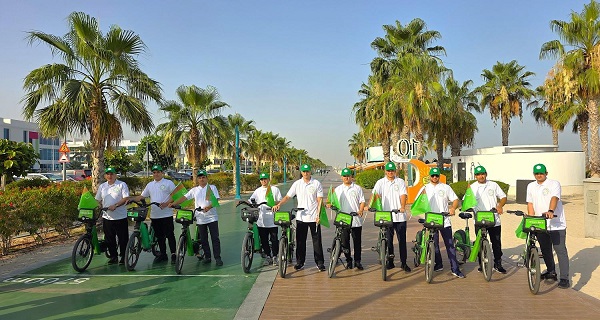
A similar sporting event was organized by the Consulate General of Turkmenistan in the United Arab Emirates (Dubai city). Staff members of the diplomatic mission, representatives of the Turkmen community, and young people participated in the cycling event dedicated to World Bicycle Day. Participants emphasized the significance of Turkmenistan’s international initiatives aimed at promoting environmentally friendly transport, strengthening public health, and advancing the Sustainable Development Goals.
The events once again demonstrated the broad international support for Turkmenistan’s initiatives in the fields of sports diplomacy, healthy lifestyle promotion, and the strengthening of friendship and mutual understanding among peoples. ///MFA Turkmenistan, 2 June 2026