


On 10 April 2026, the Lebap province hosted the inauguration ceremony for the final section of the Ashgabat–Turkmenabat high-speed highway, covering the Mary–Turkmenabat route. President of Turkmenistan Serdar Berdimuhamedov attended the opening ceremony of the motorway.
The construction of the 600-kilometer autobahn, which traverses Turkmenistan from west to east, began in 2019. The first section of this high-speed arterial road, Ashgabat–Tejen, was commissioned in 2021, followed by the Tejen–Mary section in 2024.
The Mary–Turkmenabat segment consists of six traffic lanes. The total width of the roadbed is 34.5 meters, with the carriageway on each side measuring 11.25 meters and individual traffic lanes spanning 3.75 meters.
As a Category I highway, the motorway was engineered to withstand heavy loads. To enhance its load-bearing capacity, a multi-layered base structure was utilized in combination with innovative materials: high-strength asphalt concrete, geosynthetic fabrics, and specialized geogrids, which significantly increase the durability of all pavement layers.

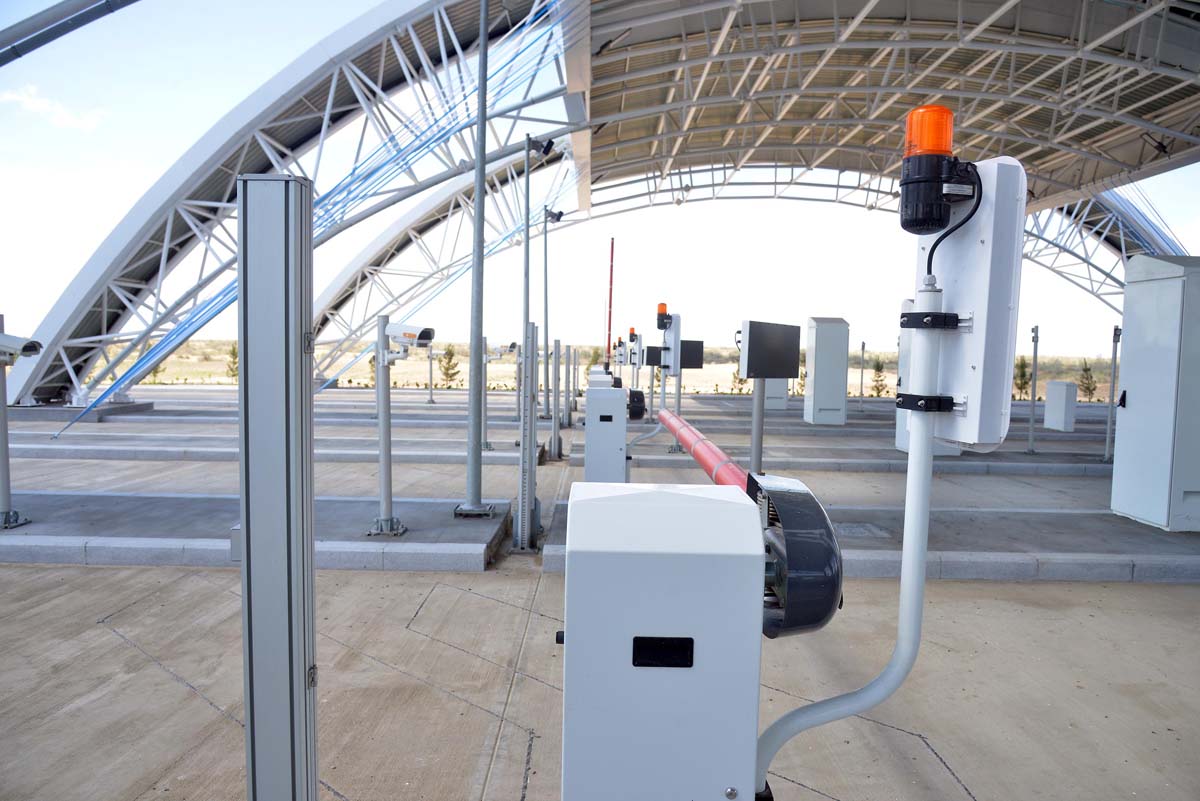
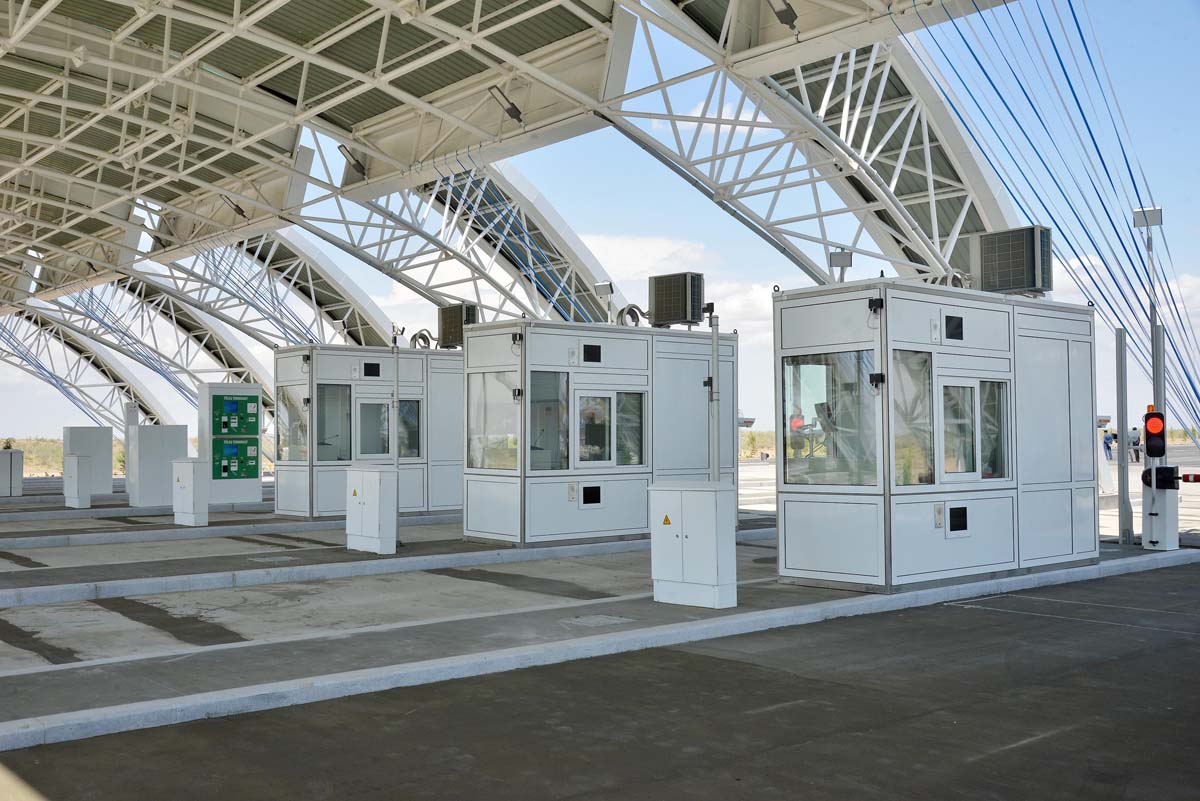
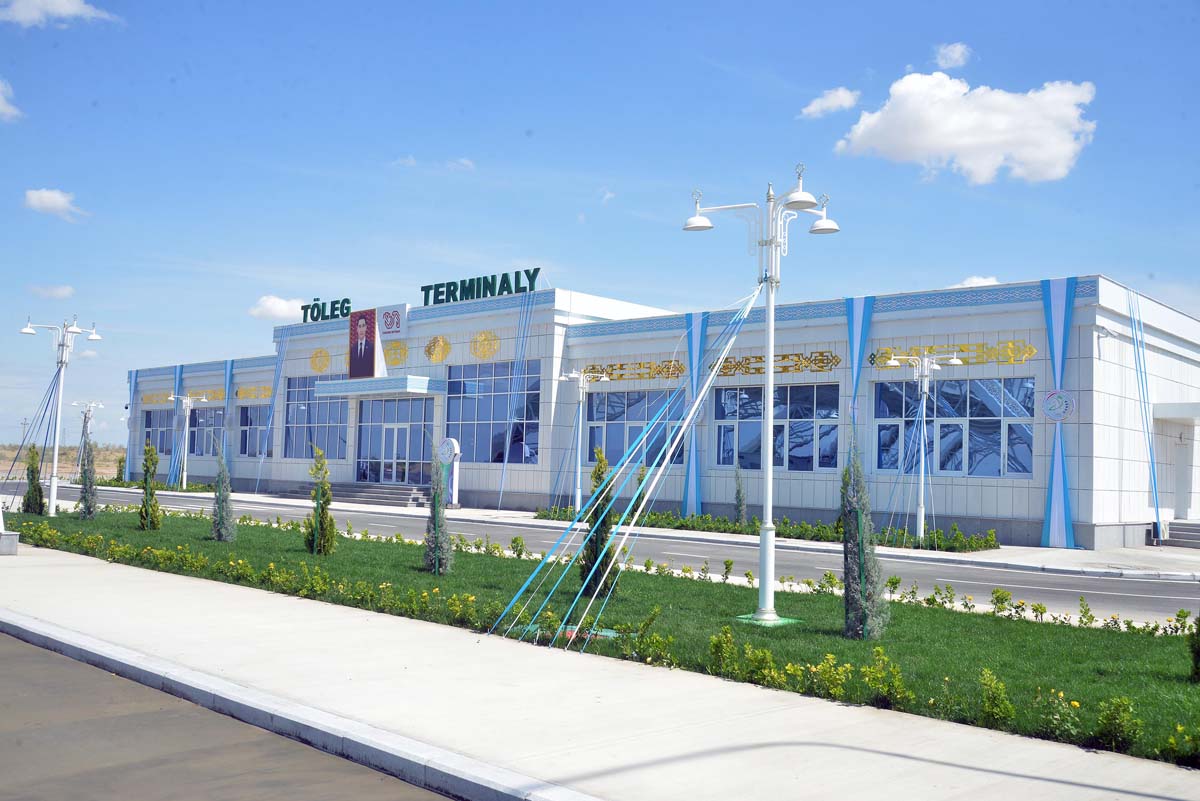
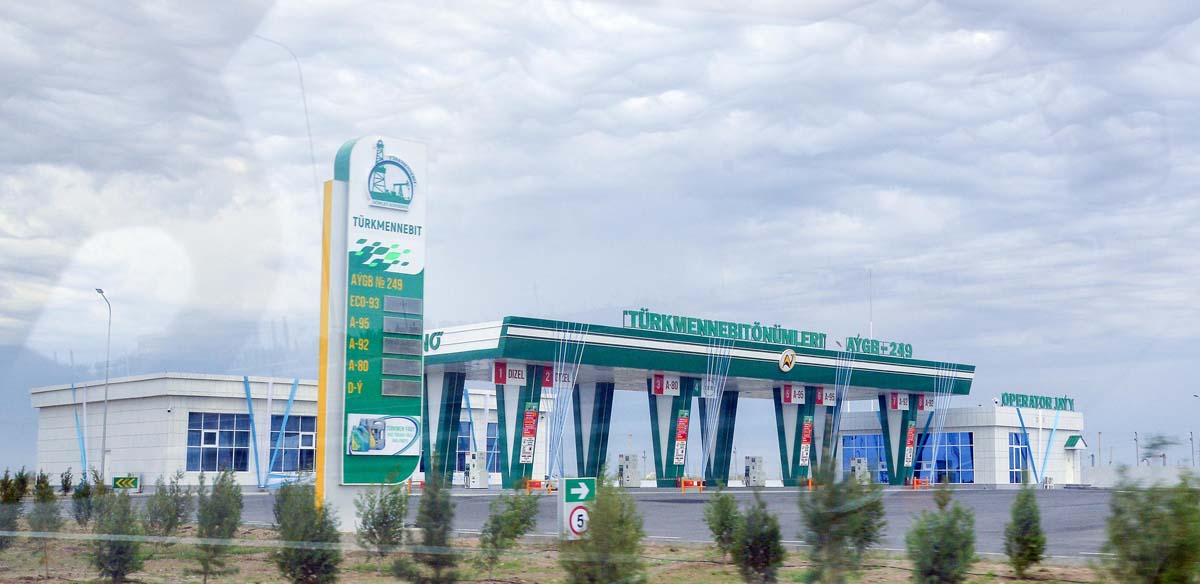
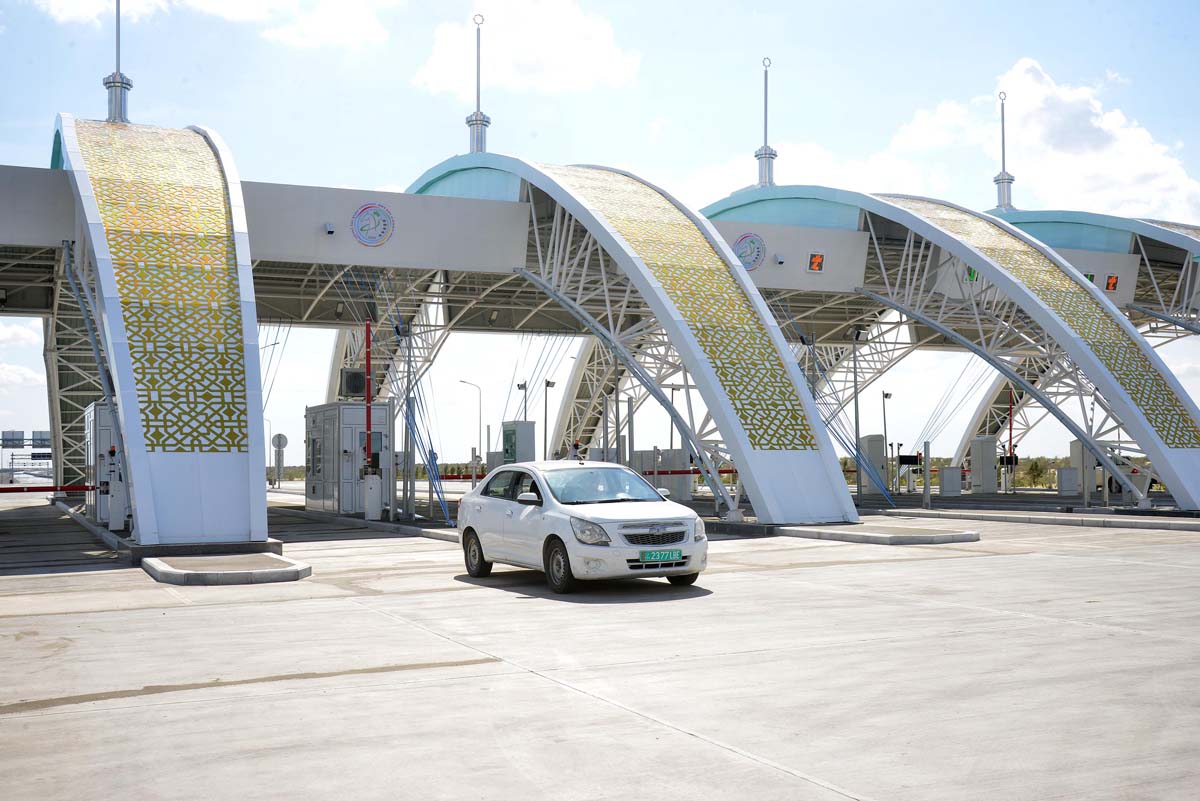
Parking areas and rest stops for drivers and passengers, gas stations, and other facilities have been constructed along the route. The highway infrastructure also includes several road control posts, technical maintenance points, and road service stations.
Traffic is managed by a specialized system that utilizes continuous video surveillance to collect, store, and transmit all traffic flow data and information to the road supervision service.
“The high-speed motor road connecting the Ahal, Mary, and Lebap provinces with the capital of our Motherland will ensure the transportation of passengers and cargo in a very short time. The throughput capacity of the country’s transport system and the quality of logistical services will significantly increase. Furthermore, this will provide a powerful impetus to regional development and the further growth of the state’s economic power,” the President emphasized during his speech at the ceremony.
Speaking on the significance of the road, the Head of State expressed confidence that it would “serve to expand trade, economic, cultural, and humanitarian relations with neighboring countries located along the Great Silk Road.”
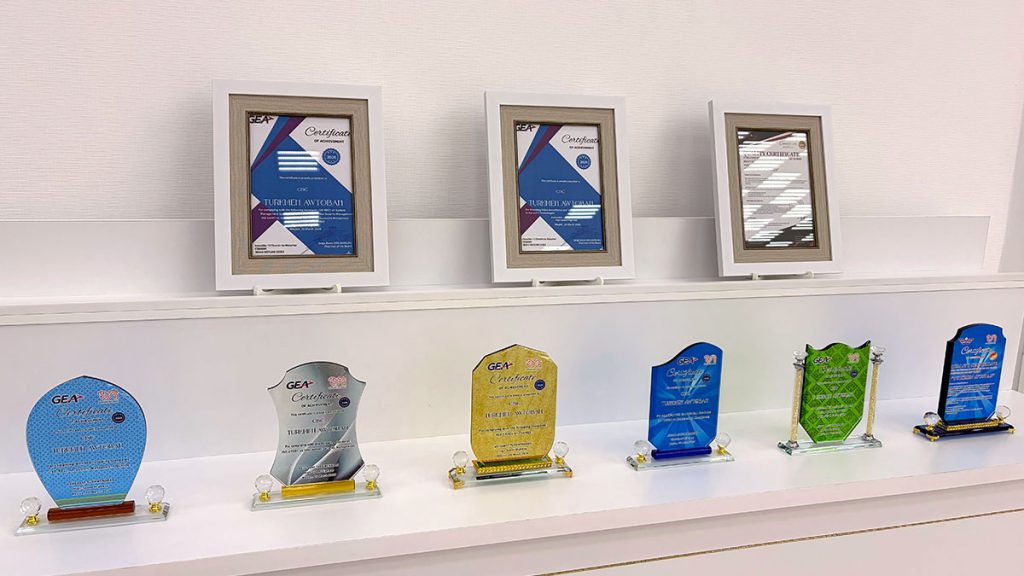
During the ceremony, the Ashgabat–Turkmenabat highway was awarded several certificates confirming its quality and compliance with the highest safety standards.
Luis Felipe Duque Villegas, Commercial Marketing Director of the French company “Grenobloise D’Elektronique et D’Automatismes (GEA)”, presented:
- International certificates confirming compliance with high quality standards and international requirements for video surveillance and payment systems;
- ISO 9001 – confirming the compliance of the quality management system to ensure a high level of design, production, installation, and technical maintenance;
- ISO 27001 – guaranteeing a high level of data protection, including personal and financial information, as well as protecting the infrastructure from cyber threats;
- ISO 14001 – confirming a responsible approach to the environmental management system on the high-speed highway, ensuring the minimization of environmental impact;
- ISO 10012 – an international standard establishing requirements for a measurement management system, ensuring high precision of measuring equipment, correct functioning of control systems, and the transparency and fairness of all processes.
Dong Guosen, a representative of the Chinese company “Shandong Jiangfeng New Material Technology Co., Ltd.”, presented a certificate confirming that the design and calculations of the road’s metal safety barriers fully comply with international safety requirements.
The ISO 1461 and EN 1317 certificates attest to the use of engineering solutions and materials characterized by high strength, flexibility, and durability, fully meeting international standards, including generally accepted international road safety norms.
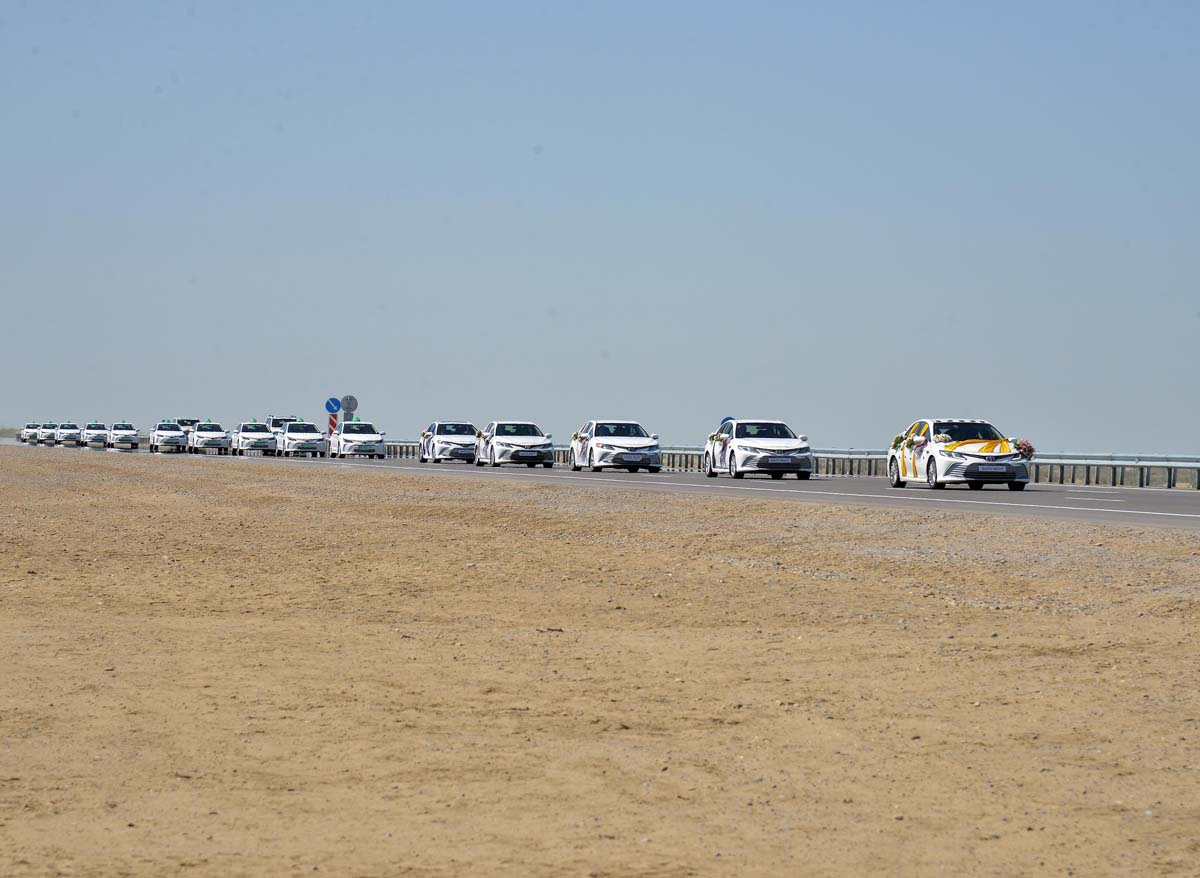
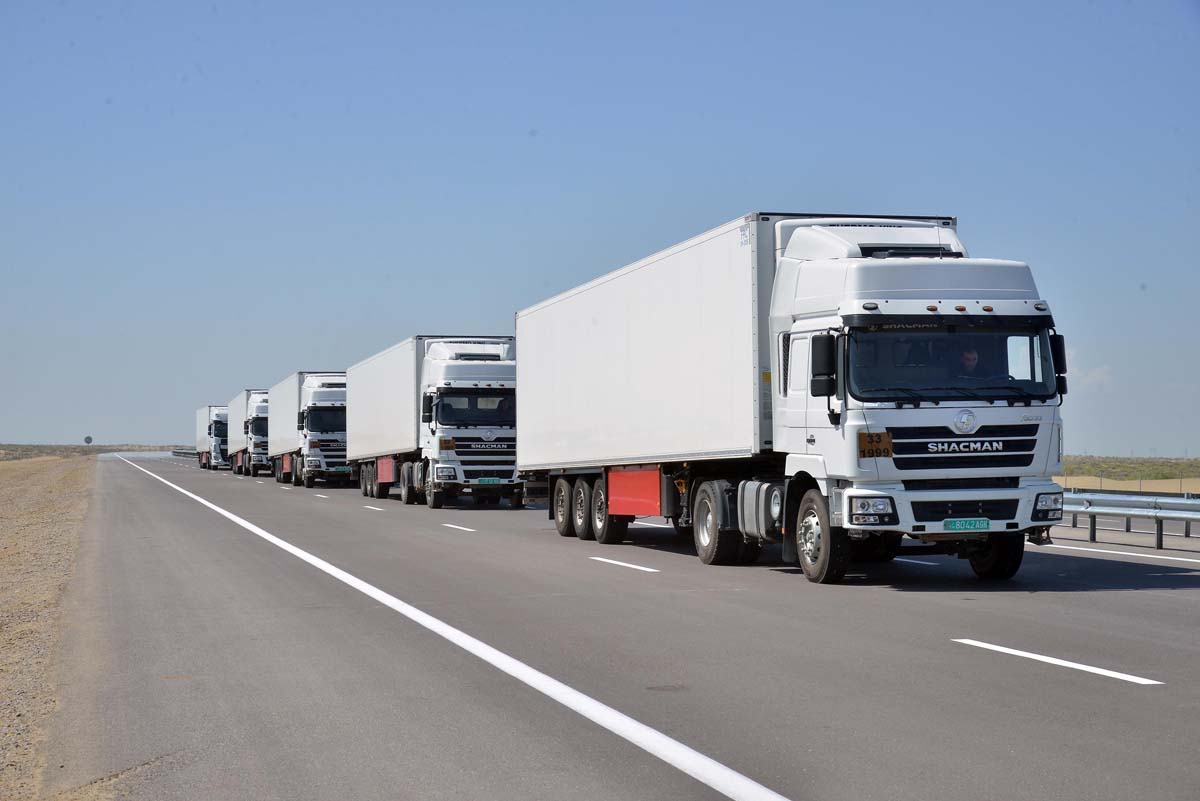
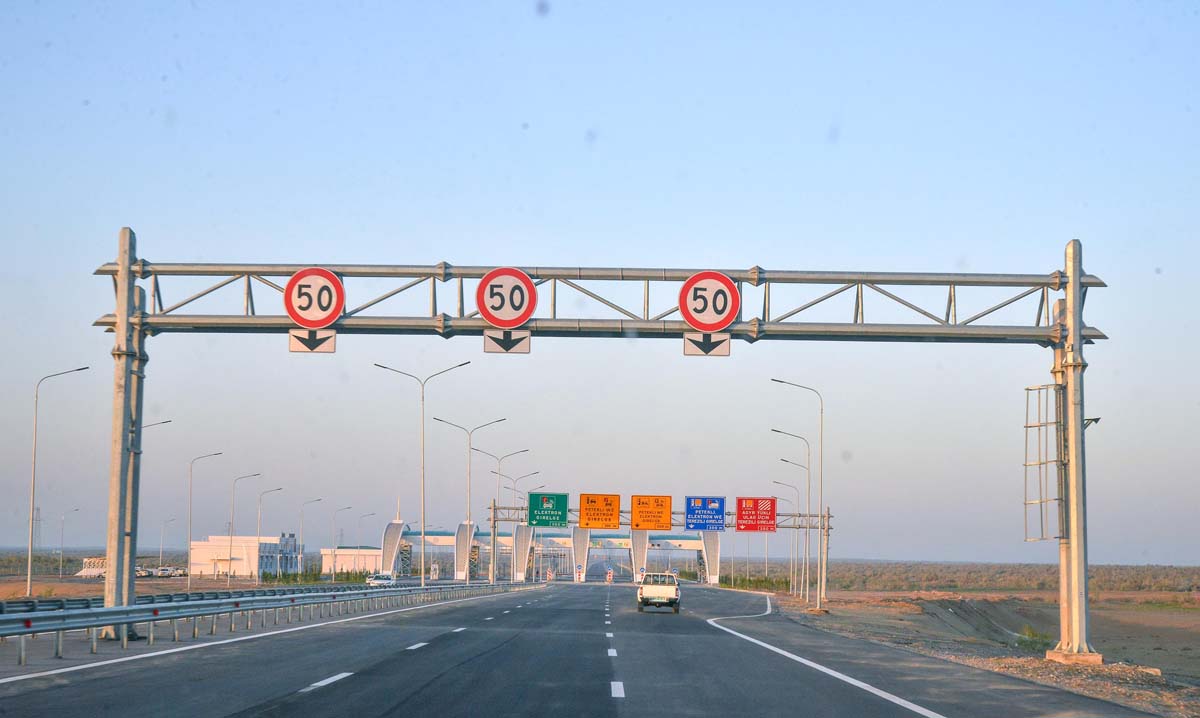
Thus, the commissioning of the final section of the Ashgabat–Turkmenabat highway marks the completion of one of the most ambitious infrastructure projects in modern Turkmenistan. The international certificates confirm that the route has not only connected regions but has also set a new standard for quality and safety in Central Asia.
As President Serdar Berdimuhamedov noted in his speech, this autobahn is the country’s direct contribution to the restoration of the Great Silk Road in a modern format. With the opening of traffic on the Mary–Turkmenabat route, the nation completes the formation of a crucial transport corridor that will define the region’s logistical potential for decades to come and strengthen the status of neutral Turkmenistan as a strategic crossroads of continental routes. ///nCa, 11 April 2026