


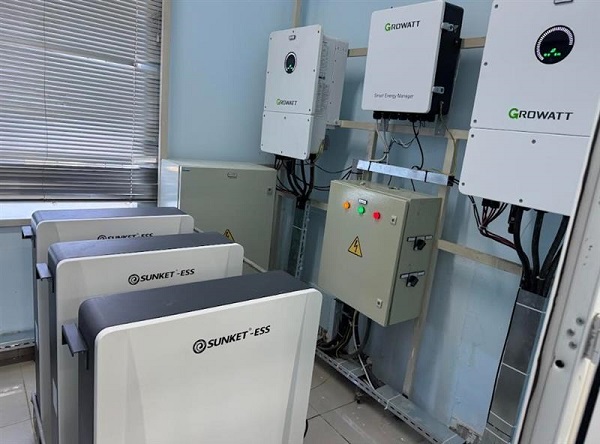
Mary velayat, Turkmenistan – 1 April: UNICEF, in partnership with the Ministry of Health and Medical Industry of Turkmenistan, has successfully inaugurated a solar photovoltaic (PV) energy system at the Talhatanbaba Rural Health Centre in Yoloten etrap, Mary velayat. The solar photovoltaic system converts sunlight into electricity, providing a clean and reliable source of power for the facility.This milestone marks an important step toward strengthening climate-resilient healthcare systems in Turkmenistan through the introduction of innovative and sustainable energy solutions.
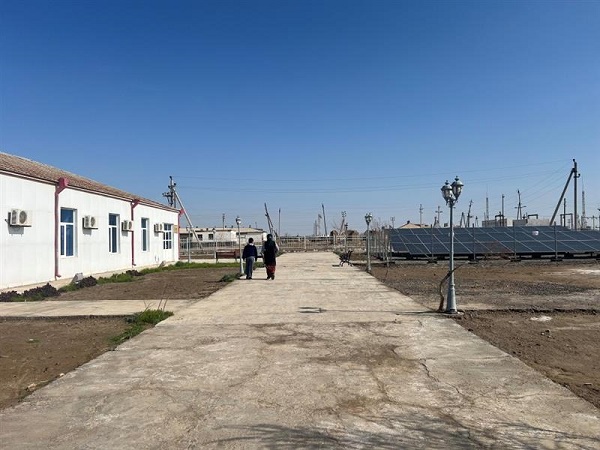
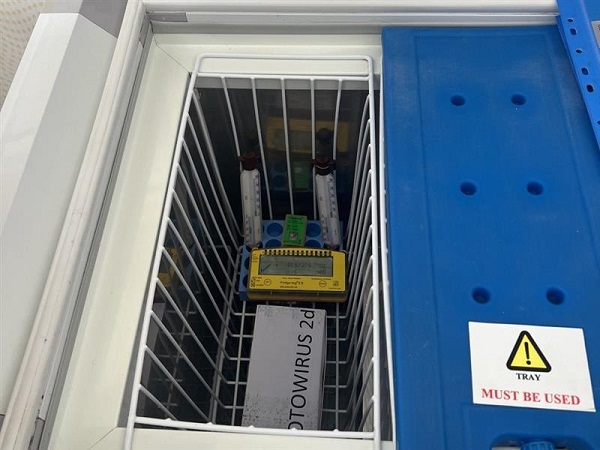
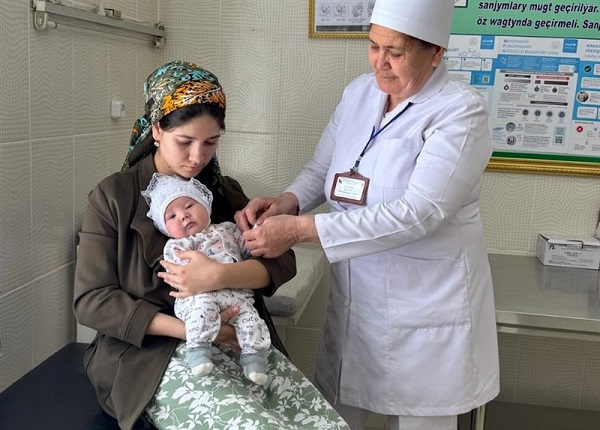
The newly installed solar station ensures 24/7 uninterrupted electricity supply, enabling Cold chain maintenance of Vaccines and the continuous delivery of essential health services to its residents, including children aged 0–14 years. The system provides a reliable source of clean energy, reducing dependence on conventional power sources and enhancing the resilience of healthcare infrastructure.
This initiative is part of UNICEF’s Health Facility Solar Electrification project, which supports primary healthcare facilities with reliable and sustainable energy solutions. It is the second such project implemented by UNICEF in Turkmenistan, building on ongoing efforts to modernize essential public services and strengthen their ability to respond to climate-related challenges.
As part of this work, UNICEF conducted comprehensive site assessments of 10 PHC facilities across all velayats to better understand the energy need and opportunities for improvement. These assessments laid the foundation for the current phase of solar installations and future scale-up efforts across the country.
The project aligns with Turkmenistan’s national priorities, including the implementation of the National Strategy of Turkmenistan on Climate Change, Nationally Determined Contributions (NDC), The National Strategy for the Development of Renewable Energy in Turkmenistan until 2030, Sustainable Development Goals (SDGs)—particularly SDGs 3, 7 and 13, reinforcing commitments to sustainable development and climate adaptation.
During the official visit on 13 March 2026, the delegation noted that the installation enables uninterrupted supply of green energy, ensuring continuous healthcare services—particularly critical for children and vulnerable populations.
“Reliable energy is essential for delivering quality healthcare services. This solar solution ensures that children and families in Talhatanbaba have uninterrupted access to care, while also contributing to a greener and more sustainable future,” said Laxmi Bhawani, Officer-in-Charge Deputy Representative of UNICEF.
Through this partnership, UNICEF and the Government of Turkmenistan reaffirm their shared commitment to building resilient, sustainable, and child-centered health systems that can withstand the challenges of climate change. ///nCa, 2 April 2026 (in cooperation with UNICEF Turkmenistan)