


Tariq Saeedi
As the world steps into 2026, a remarkable coincidence unfolds across continents: the horse emerges as a central symbol in both Chinese and Turkmen cultural traditions.
In China, the Lunar New Year, which began on February 17, 2026, marks the Year of the Fire Horse—a rare event occurring only once every 60 years, blending the horse’s attributes of speed and independence with the fiery element of passion and transformation. Meanwhile, Turkmenistan has declared 2026 as the “Year of the Heavenly Horse,” honoring its iconic Ahal-Teke breed under the national motto “Independent, Permanently Neutral Turkmenistan – Homeland of Purposeful Heavenly Horses.”
This dual celebration highlights themes of strength, nobility, and forward momentum, inviting speculation on how these symbolic alignments might influence global events in a year already buzzing with energy.
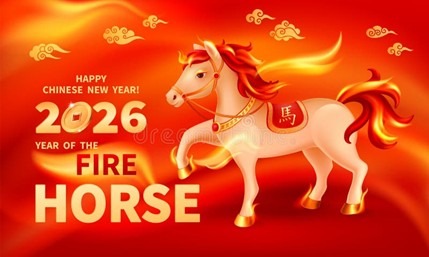
2026 Year of the Horse 15 stock vector. Illustration of 2026 – 350549339
The Chinese Year of the Fire Horse: A Blaze of Energy and Change
In Chinese astrology, the horse is the seventh sign in the 12-year zodiac cycle, embodying freedom, enthusiasm, intelligence, and an unyielding drive for progress.
Paired with the fire element—specifically “Yang Fire”—2026 intensifies these qualities, creating a “double fire” dynamic that promises a fast-paced, transformative atmosphere. This combination, last seen in 1966, is known for sparking radical shifts, from technological breakthroughs to social upheavals.
The Year of the Fire Horse spans from February 17, 2026, to February 5, 2027, kicking off with a 15-day Lunar New Year celebration filled with red lanterns, dragon dances, and family feasts.
Symbolically, the horse represents hard work, courage, and independence, while fire adds visibility, passion, and momentum. Lucky colors for the year include yellow, gold, and red, with numbers 2, 3, and 7 bringing good fortune. Traditions encourage wearing red accessories, especially for those born in Horse years, to ward off any “Ben Ming Nian” challenges.
Historically, Fire Horse years have coincided with pivotal moments. In 1966, China launched its Cultural Revolution, the Vietnam War escalated, and innovations like the ATM and successful moon landings emerged. Cultural icons such as Star Trek and the Beatles also reshaped entertainment.
Experts predict similar patterns in 2026: a surge in AI and green energy advancements, bold leadership, and potential geopolitical tensions as societies break from restrictive norms. This year is seen as volatile yet rewarding for those who act decisively, fostering a “generational ignition” of change.
Lunar New Year 2026: What to know about the ‘very special’ Year of the Fire Horse | SBS News
Turkmenistan’s Year of the Heavenly Horse: A Symbol of National Pride and Heritage
In Turkmenistan, 2026 is not just a calendar year but a national tribute to the Ahal-Teke horse, often called the “heavenly” or “winged” horse due to legends linking it to King Solomon’s mythical steeds.
The country’s motto for the year, “Independent, Permanently Neutral Turkmenistan – Homeland of Purposeful Heavenly Horses,” aligns with the 35th anniversary of its independence, emphasizing unity, development, and cultural roots.
The Ahal-Teke, one of the world’s oldest breeds, is renowned for its metallic sheen, endurance, speed, and loyalty—qualities that mirror the Turkmen people’s cherished values of courage, beauty, and resilience. These horses are integral to Turkmen identity: they adorn the national emblem, banknotes, and stamps, and are celebrated in monuments across cities like Ashgabat.
UNESCO recognizes the art of Ahal-Teke breeding and decoration as Intangible Cultural Heritage, highlighting traditions passed down through generations, including naming rituals, beauty contests, and wedding ceremonies where grooms ride decorated horses to claim their brides.
In Turkmen folklore, the Ahal-Teke is viewed as a celestial being with a soul, symbolizing harmony with nature and national spirit. Events throughout 2026, such as those held in Almaty and Tashkent, showcase this pride, blending historical reverence with modern aspirations for progress. The horse embodies the nation’s “wings,” propelling it toward prosperity and global recognition.
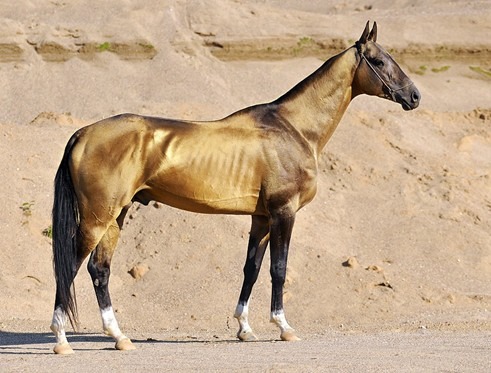
en.wikipedia.org — Akhal-Teke – Wikipedia
Coincidences and Global Expectations: What Lies Ahead?
The simultaneous veneration of the horse in China and Turkmenistan creates a fascinating cultural synergy. Both traditions exalt the horse’s speed and strength—the Fire Horse’s fiery drive echoing the Heavenly Horse’s celestial nobility.
This overlap could signal a year of accelerated global momentum, where themes of independence and transformation dominate.
Drawing from historical precedents, 2026 might witness breakthroughs in technology and innovation, much like the space achievements and cultural revolutions of 1966.
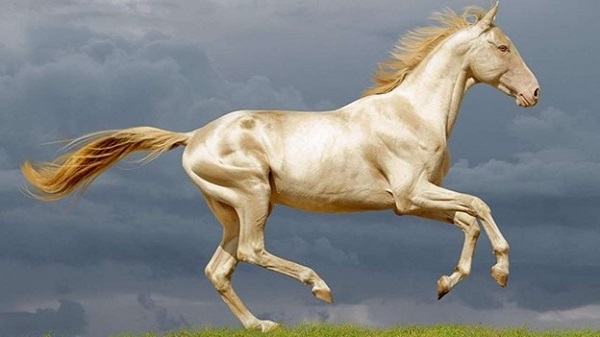
medomed.org — The Akhal-Teke horse, the jewel of Turkmenistan – Med-O-Med
With the Fire Horse’s emphasis on passion and visibility, expect heightened social movements, perhaps challenging authoritarian structures or advancing women’s empowerment—recalling the “Fire Horse Effect” where strong-willed individuals defy conventions.
Turkmenistan’s focus on neutrality and heritage could inspire diplomatic initiatives, fostering cultural exchanges between East Asia and Central Asia, such as joint equestrian events or horse-breeding collaborations.
On a broader scale, these coincidences suggest a world primed for “decisive movement”: rapid progress in sustainable energy, AI-driven revolutions, and shifts toward greater freedom.
However, the intensity may bring volatility—geopolitical tensions or natural disruptions—if not channeled wisely. Ultimately, 2026 could be a year where humanity harnesses the horse’s unbridled energy to gallop toward a more dynamic, unified future, blending Eastern wisdom with global ambition. /// nCa, 19 February 2026