


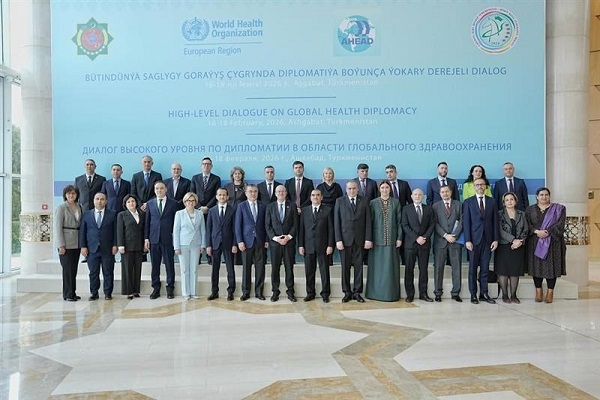
On 16 February 2026, the High-Level Dialogue on Global Health Diplomacy opened in Ashgabat, organized by the Government of Turkmenistan in cooperation with the World Health Organization (WHO). The forum aims to create a unified platform for coordinating international efforts regarding collective security and the sustainable development of health systems.
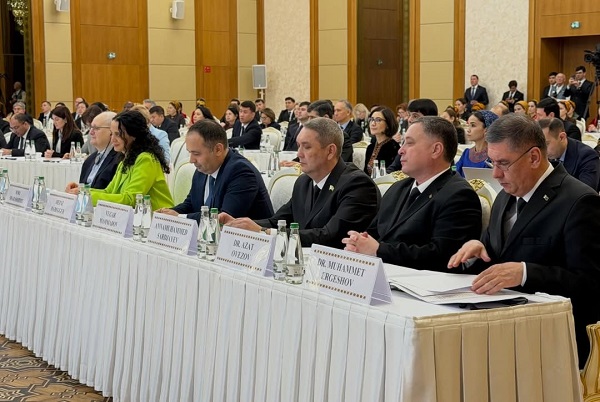
The three-day intensive course has brought together approximately 100 participants from 10 WHO European Member States: Armenia, Azerbaijan, Belarus, Kazakhstan, Kyrgyzstan, Russia, Tajikistan, Turkmenistan, Türkiye, and Uzbekistan.
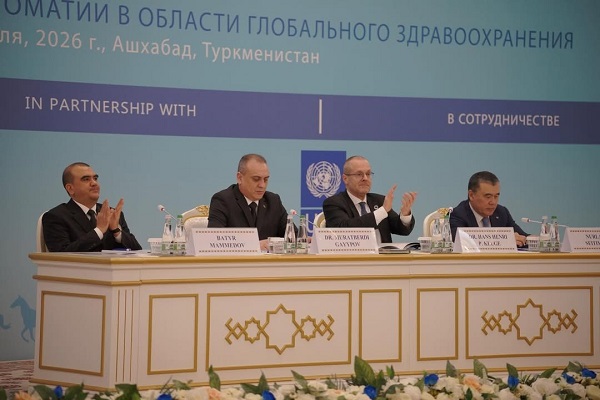
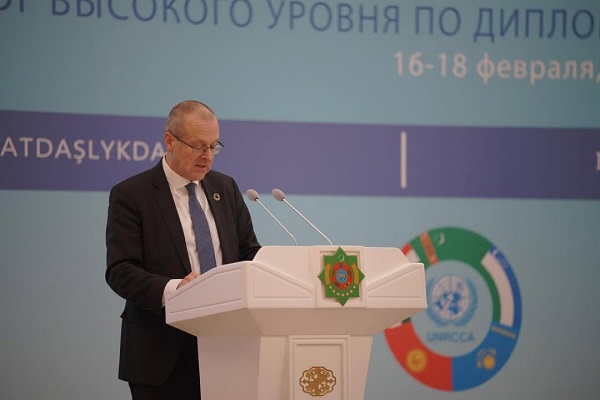
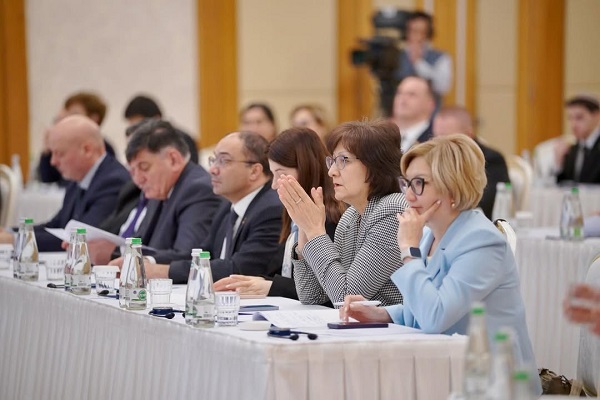
The opening event featured speeches from the representatives of Turkmen government agencies, the United Nations, the World Health Organization, and the Commonwealth of Independent States (CIS), as well as relevant ministries from participating countries. Discussions are centered on collective security, health development, experience sharing, and the training of medical specialists.
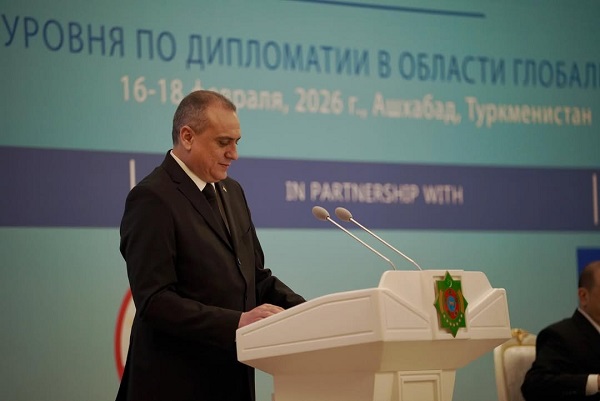
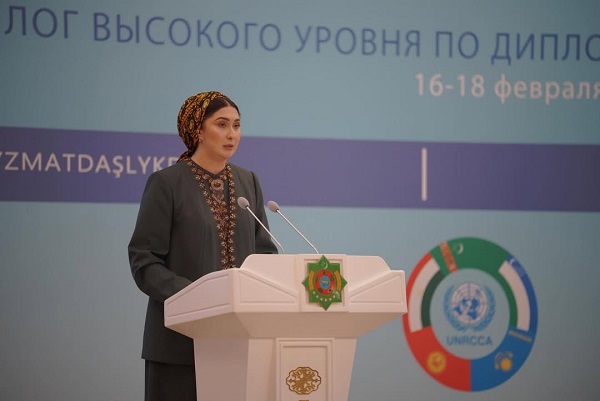
In her address, the Deputy Minister of Foreign Affairs of Turkmenistan, M. Byashimova, emphasized that the Dialogue is taking place during a significant period for the country—Turkmenistan’s CIS Chairmanship, which has declared this the Year of Health. This reflects Turkmenistan’s strategic priority of strengthening public health as the foundation for sustainable development, social stability, and international trust.
Participants also noted the symbolic importance of holding this regional dialogue in Ashgabat, highlighting Turkmenistan’s consistent support for Central Asian cooperation and its active engagement with the WHO to advance regional health systems.
During the discussions, it was noted that this format creates a unique platform for strengthening trust, exchanging best practices, and developing new partnerships between CIS countries, the WHO European Region, and other international partners.
About the AHEAD Flagship Programme
The High-Level Dialogue on Global Health Diplomacy is a core component of the WHO AHEAD flagship programme (Action for Health through Engagement, Advocacy, and Diplomacy), initiated by Dr. Hans Kluge, WHO Regional Director for Europe.
AHEAD promotes a common approach to global health diplomacy by integrating health and foreign policy expertise to achieve feasible agreements, improving health outcomes, equity, and trust, strengthening the capacity of countries to apply diplomatic tools and skills in the field of health.
Proactive diplomatic strategies are essential in a world increasingly challenged by health threats—from pandemics and climate change to conflicts and the rising burden of chronic diseases. Diplomacy unites the efforts of states and stakeholders to produce coordinated international solutions. Only through strengthened trust, solidarity, and international cooperation can these complex and interconnected challenges be effectively addressed.
Following previous editions held in Brussels in 2023 and 2024, the Ashgabat programme focuses on the fundamentals of global health diplomacy. It addresses essential diplomatic practices such as negotiation, advocacy, and strategic communication, consensus-building and multilateral engagement, bilateral, multilateral, and humanitarian diplomacy.
The 2026 edition places special emphasis on the intersections between health and foreign policy, as well as strengthening engagement with regional organizations, national parliaments, inter-parliamentary assemblies, and civil society. /// nCa, 17 February 2026 [photo credit – @who_turkmenistan]