


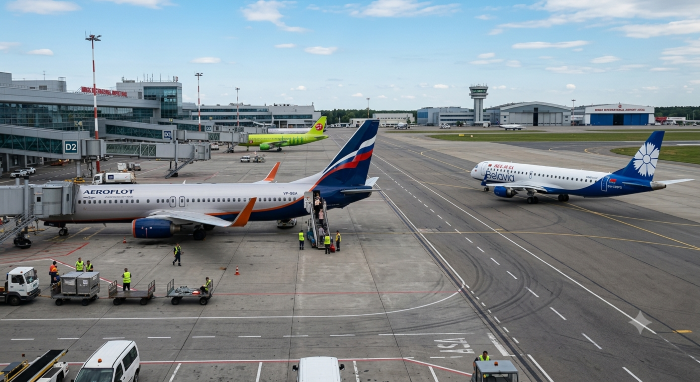
Российский национальный перевозчик «Аэрофлот» и белорусская авиакомпания «Белавиа» заключили интерлайн-соглашение, которое открывает продажу единых авиабилетов по удобным стыковочным маршрутам, включая рейсы в Международный аэропорт города Туркменбаши.
Согласно официальному сообщению «Аэрофлота», пассажиры Аэрофлота получили возможность летать в Грузию, Израиль и Туркменистан по интерлайн-соглашению с авиакомпанией «Белавиа». В рамках данного соглашения в рамках соглашения пассажиры смогут путешествовать по единому билету в Тбилиси, Кутаиси, Батуми, Тель-Авив и Туркменбаши через Минск. Сегменты между Москвой и Минском будет выполнять Аэрофлот, далее — «Белавиа».
Для туркменских пассажиров предусмотрены важные и выгодные условия обслуживания: на всех рейсах в Туркменистан и обратно продажа билетов осуществляется исключительно по тарифам, включающим багаж. Это решение учитывает специфику направления и обеспечивает максимальное удобство для граждан, отправляющихся в дальние поездки с вещами.
Главным преимуществом для пассажиров является сквозная система регистрации в аэропорту отправления. Это означает, что:
- Багаж оформляется сразу до конечной точки путешествия и перегружается на стыковочный рейс без участия пассажира в Минске.
- В пункте вылета пассажир получает сразу все посадочные талоны на оба отрезка пути.
- Обратите внимание: Онлайн-регистрация и оформление дополнительных услуг через интернет для данных совместных рейсов на текущем этапе недоступны, регистрация производится непосредственно на стойках в аэропорту.
Пассажиры получили возможность летать по единому билету не только из Минска, но и из крупнейших областных центров — Гомеля, Бреста и Могилева. Стыковочные рейсы ведут через Москву или Санкт-Петербург, откуда пассажиры могут продолжить полет в любую точку разветвленной маршрутной сети группы «Аэрофлот».
Запуск подобной программы крупнейшим российским авиахолдингом (в состав которого входят также авиакомпании «Россия» и «Победа», перевезшие в 2025 году совокупно более 55 миллионов человек) и белорусским флагманом «Белавиа» значительно укрепит транспортную доступность Каспийского региона Туркменистана и создаст гибкую альтернативу для международных поездок.
Актуальное расписание полетов, бронирование и приобретение единых билетов доступны на официальном сайте и в мобильном приложении «Аэрофлота», в собственных офисах продаж авиакомпании. ///nCa, 4 июля 2026 г.