


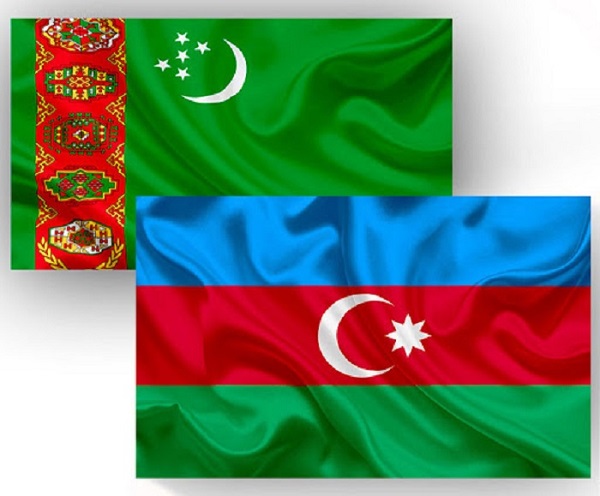
Национальный Лидер туркменского народа, Председатель Халк Маслахаты Туркменистана Гурбангулы Бердымухамедов провёл телефонный разговор с Президентом Азербайджана Ильхамом Алиевым 25 июня 2026 г., согласно официальным сообщениям обеих стран.
В ходе беседы стороны подчеркнули важность традиционно продуктивных отношений между Туркменистаном и Азербайджаном, особенно в сферах культуры, науки, образования и спорта. Они также обменялись мнениями по приоритетным вопросам двустороннего сотрудничества.
Время проведения этого звонка примечательно, так как он состоялся вскоре после знакового государственного визита Президента Сердара Бердымухамедова в Азербайджан. В ходе визита Туркменистан и Азербайджан подтвердили своё стремление к расширению взаимодействия в широком спектре секторов, включая торговлю, транспорт, энергетику, связь и гуманитарные обмены.
Телефонный разговор между Аркадагом Бердымухамедовым и Президентом Алиевым подчёркивает тесную координацию между высшим руководством двух стран и отражает твёрдую политическую волю, направленную на реализацию договорённостей и соглашений, достигнутых в ходе недавних контактов на высоком уровне.
Отношения между Туркменистаном и Азербайджаном получили значительный импульс в последние годы, что подкрепляется регулярными обменами на высшем уровне и растущим сотрудничеством в Каспийском регионе. Обе страны рассматривают укрепление взаимосвязанности и экономическую интеграцию как важные элементы более широкого регионального развития, сохраняя при этом активный диалог по политическим, экономическим и культурным вопросам.
Последняя беседа свидетельствует о неослабевающем взаимодействии на высшем уровне и подтверждает приверженность Ашхабада и Баку углублению стратегического партнёрства и переводу совместных планов в русло практического сотрудничества.
/// nCa, 26 июня 2026 г.