


Tariq Saeedi
In Western historiography, figures like Attila the Hun, Genghis Khan, and Amir Timur (often known as Tamerlane) are frequently cast as barbaric destroyers—symbols of chaos and conquest that ravaged civilizations.
This narrative, shaped largely by the accounts of those who fell victim to their campaigns, such as Roman chroniclers for Attila or Persian scribes for Timur, emphasizes destruction over achievement.
Yet, in Central Asia, where these leaders’ roots trace back to the vast steppes and nomadic traditions, they are often revered as unifiers, innovators, and nation-builders.
Children bearing names like Attila, Chingiz, or Timur are common in regions like Uzbekistan, Kazakhstan, Turkmenistan, Kyrgyzstan, and Mongolia, reflecting a cultural pride that sees them not as villains but as heroes who forged enduring legacies.
Drawing from non-Western sources, including Mongol chronicles, Uzbek historical narratives, and Turkic cultural perspectives, this commentary explores their positive traits—to argue for a multifaceted view of Central Asia. Such a shift could foster deeper, more productive relations with the region, recognizing its self-perception rather than imposing external judgments.
Attila the Hun: The Steppe Unifier and Diplomatic Strategist
Attila (c. 406–453 CE), leader of the Hunnic Empire, is often depicted in Western sources as the “Scourge of God,” a relentless invader who terrorized the Roman Empire. However, from Turkic and Central Asian viewpoints, his origins in the nomadic tribes of the Eurasian steppes position him as a prototypical hero of mobility and resilience.
The Huns, likely of Turkic or proto-Turkic descent, migrated from Central Asia, and Attila’s name itself may derive from Turkic roots meaning “father” or “ruler.”
In modern Turkic cultures, including those in Kazakhstan and Uzbekistan, he symbolizes the strength of nomadic confederations that challenged sedentary empires, much like later Turkic khanates.
Non-hostile accounts, such as those preserved in Hungarian folklore (where Hungarians claim Hunnic ancestry) and broader Eurasian nomadic traditions, highlight Attila’s leadership qualities. He united diverse tribes through personal charisma and strategic alliances, creating a vast empire that stretched from the Caspian Sea to the Danube.
Beyond the austerity and equality with his warriors—living simply on horseback with shared hardships—Attila demonstrated shrewd diplomacy. He negotiated tributes from the Eastern Roman Empire without always resorting to battle, using envoys like the historian Priscus (who, despite his Roman bias, noted Attila’s restraint and hospitality).
His governance promoted merit-based loyalty, rewarding capable followers regardless of origin, which fostered unity among fractious nomadic groups.
In territories under his control, trade routes flourished due to the stability he imposed, echoing the prosperity recorded in history.
In Central Asian reverence, Attila represents the indomitable spirit of the steppes, a figure whose legacy inspires national pride in nations with Turkic heritage. This contrasts sharply with Western demonization, underscoring how victors’ histories obscure the agency of nomadic societies.
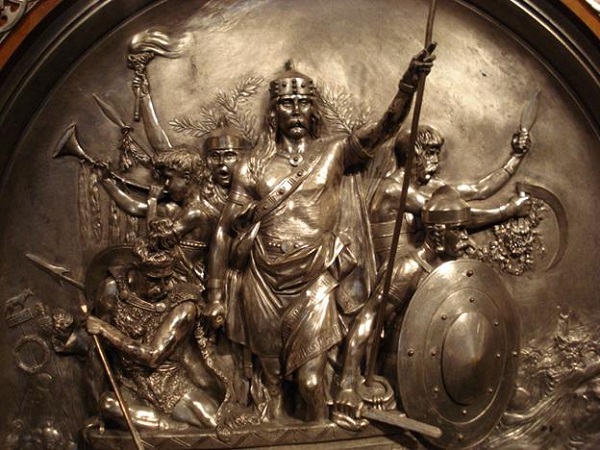
Attila the Hun – World History Encyclopedia
Genghis Khan: The Meritocratic Reformer and Cultural Catalyst
Genghis Khan (c. 1162–1227 CE), born Temujin, is perhaps the most mythologized of the three. Western accounts focus on the devastation of his conquests, but primary Mongol sources like —a 13th-century chronicle compiled by his successors—portray him as a visionary unifier who transformed disparate tribes into a world power.
In Mongolia and Central Asian states like Kazakhstan, he is a national icon, celebrated for forging the largest contiguous empire in history and laying foundations for modern Mongolian identity.
Genghis, with his personal austerity—eating simple nomadic fare and sharing the rigors of campaign life with soldiers—emphasized equality and meritocracy.
He abolished aristocratic privileges, promoting generals based on talent rather than birth, which created a highly disciplined army.
His governance brought prosperity through innovative policies: he established the Yam postal system for rapid communication, protected trade along the Silk Road, and granted universal religious freedom, exempting places of worship from taxes—a progressive stance far ahead of his contemporaries.
He also banned torture, promoted literacy by adopting the Uyghur script, and integrated diverse expertise from conquered peoples, fostering cultural exchange that enriched art, science, and administration.
In Central Asia, Genghis’s legacy is one of empowerment: he elevated nomadic societies to global prominence, and his descendants’ rule spurred economic booms in regions like the Golden Horde. This reverence, evident in statues and festivals, highlights a narrative of resilience and innovation often overlooked in the West.
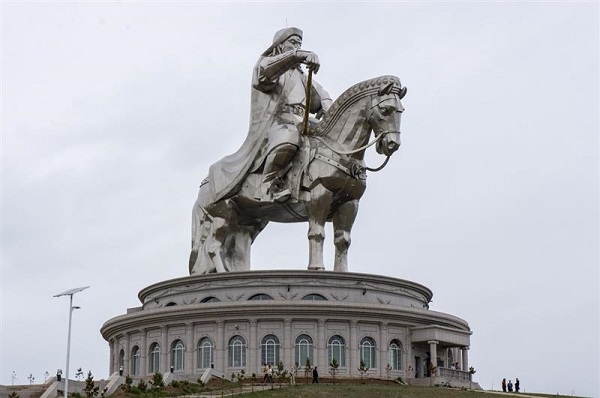
File:Genghis Khan Equestrian Statue, photo by Vaiz Ha.jpg …
Amir Timur: The Patron of Civilization and Architectural Visionary
Amir Timur (1336–1405 CE), known as Tamerlane in the West, is vilified for his brutal campaigns, but in Uzbekistan and broader Central Asia, he is hailed as a founding father and cultural luminary.
Uzbek historiography, drawing from Timurid-era chronicles like those of Sharaf al-Din Ali Yazdi, presents him as a Turco-Mongol restorer of glory, claiming descent from Genghis while building a sophisticated empire centered in Samarkand.
Timur lived austerely, sharing soldiers’ meals and hardships, and administered justice rigorously, ensuring prosperity in his domains through efficient taxation and anti-corruption measures.
Other traits shine in local accounts: he was a patron of the arts and sciences, inviting scholars, architects, and artisans from across Asia to embellish Samarkand into a jewel of Islamic civilization.
His military genius relied on innovative tactics and intelligence networks, but he also valued intellectual discourse, engaging in debates with philosophers. Timur promoted religious tolerance within Islam, rebuilt cities devastated by prior wars, and invested in infrastructure like irrigation systems that boosted agriculture. The Timurid Renaissance under his successors owed much to his vision, blending Persian, Turkic, and Mongol elements into a vibrant cultural synthesis.
In Uzbekistan, Timur’s statues and museums affirm his role as a unifier who elevated Central Asia’s global stature, countering Western portrayals of mere savagery.

File:Statue of Amir Tamur (Tamerlane) – Downtown Samarkand …
Shared Positive Traits and Implications for Understanding Central Asia
These three leaders share striking similarities from Central Asian lenses: personal austerity and equality fostered unbreakable loyalty; just governance and meritocracy drove prosperity; and a blend of military prowess with cultural patronage left enduring marks.
Attila’s diplomacy, Genghis’s reforms, and Timur’s architectural legacy all reflect a nomadic ethos of adaptability and inclusion, often absent in sedentary-focused histories.
Viewing Central Asia through this reverence—rather than Western bias—reveals a region proud of its conqueror-heroes as symbols of strength and innovation. This perspective can structure more productive relations: diplomacy that acknowledges cultural icons like Genghis or Timur builds trust, as seen in Mongolia’s Genghis-centric national branding or Uzbekistan’s Timur memorials.
By engaging with these narratives, outsiders can foster partnerships grounded in mutual respect, turning historical figures from points of division into bridges for lasting ties. /// nCa, January 2026