


Elvira Kadyrova
Astana and Tehran are intensifying efforts to strengthen transport and logistics links, positioning Iran as a key gateway for Kazakhstan.
In a recent meeting, Kazakhstan’s Ambassador to Iran Ontalap Onalbayev discussed expanding bilateral connectivity with Iran’s Minister of Roads and Urban Development Farzaneh Sadegh.
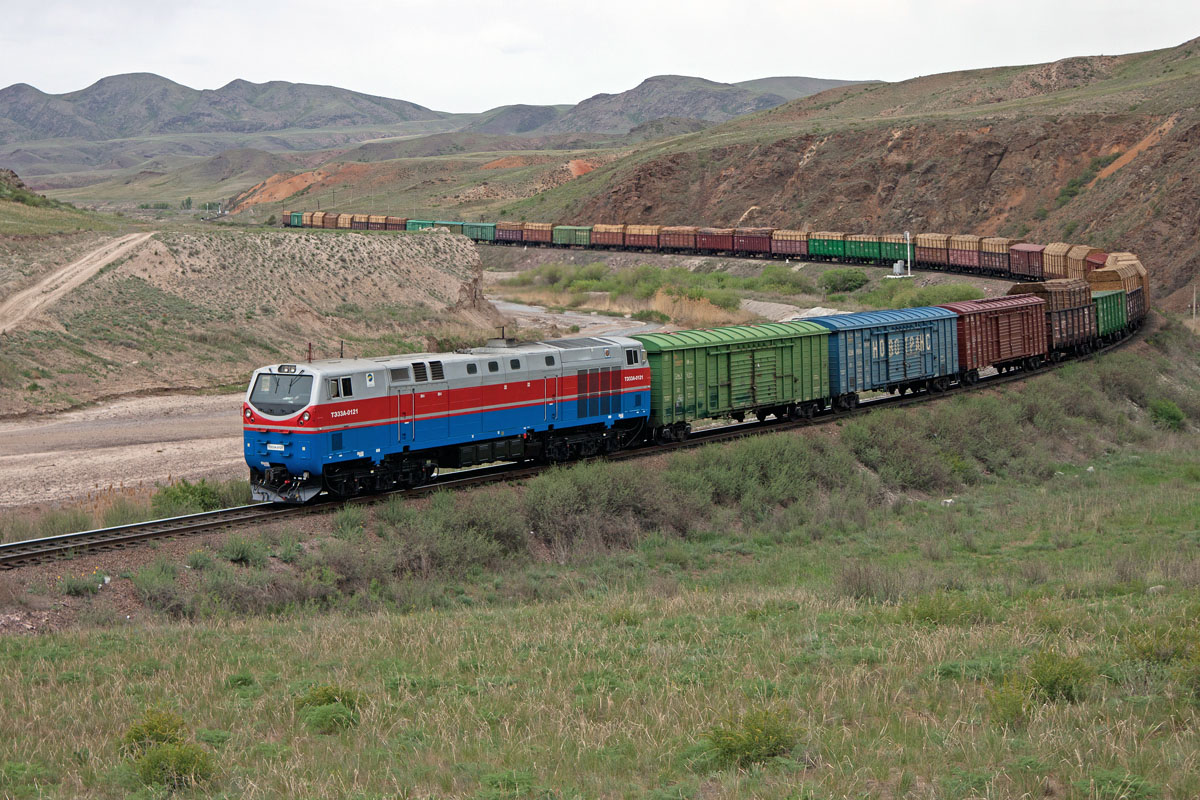
According to Kazakhstan’s Foreign Ministry press release, the talks focused on boosting cargo and transit volumes along the International North-South Transport Corridor (INSTC) and the Kazakhstan-Turkmenistan-Iran railway.
Both sides expressed readiness to explore new corridors, including Kazakhstan-Iran-Iraq and Kazakhstan-Turkmenistan-Iran-Armenia routes. They also addressed maritime links between their ports and joint investment projects at Iran’s Shahid Rajaee and Chabahar ports.
Kazakhstan plans to establish a dedicated transport and logistics terminal at Shahid Rajaee port, which would enable direct shipments of Kazakhstan’s goods to global markets. Additional interest lies in closer integration of Kazakhstan’s Caspian ports — Aktau and Kuryk — with Iran’s Amirabad and Anzali.
The upcoming session of the Kazakh-Iranian Intergovernmental Commission, scheduled in Iran, will further examine these connectivity initiatives.
President Kassym-Jomart Tokayev has repeatedly emphasized Iran’s strategic importance. During his December 2025 meeting with Iranian President Masoud Pezeshkian in Astana, Tokayev described Iran as Kazakhstan’s “gateway” to southern markets and urged full use of the two countries’ advantageous geographic positions. The leaders reaffirmed commitment to expanding the North-South Corridor and the Kazakhstan-Turkmenistan-Iran railway.
Freight traffic along these routes surged 53% in January-October 2025 compared to the previous year. Forecasts indicate volumes could double by 2030.
Rising bilateral trade underpins the push for diversified logistics. According to Kazakhstan’s Ministry of Trade and Integration, trade turnover between the two countries reached $396.1 million from January to November 2025. Agricultural exports dominate, with over $280 million in barley, wheat, and other grains shipped to Iran.
Zhibek Azhibayeva, President of the Association of Trading Enterprises of Kazakhstan, views the Iranian market as a high-potential outlet for non-resource exports. “Iran offers strong demand and lower competition than in China or Southeast Asia,” she noted. She identified at least ten promising areas for joint ventures, ranging from oilseed processing and fermented beverages to packaging and construction materials. With modern logistics centers and distribution hubs in place, bilateral trade could exceed $1 billion in the near term and reach $3 billion in the coming years.
These developments highlight Kazakhstan’s broader strategy to diversify transit routes, reduce dependence on traditional paths, and unlock multimodal corridors linking Central Asia directly to the Persian Gulf and beyond. As trade volumes grow, enhanced infrastructure between the Caspian and Persian Gulf regions promises to reshape regional economic ties. ///nCa, 22 January 2026