Elvira Kadyrova, Xi’an, China, 2 August, 2025
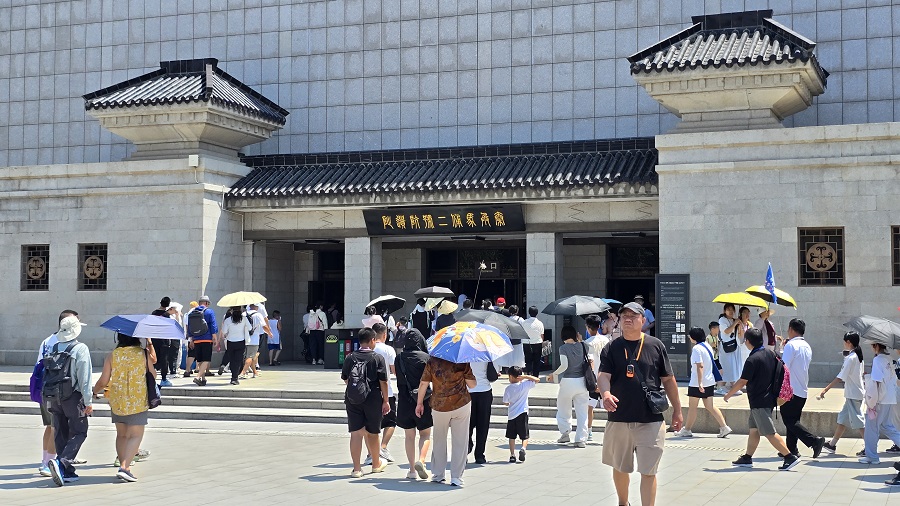
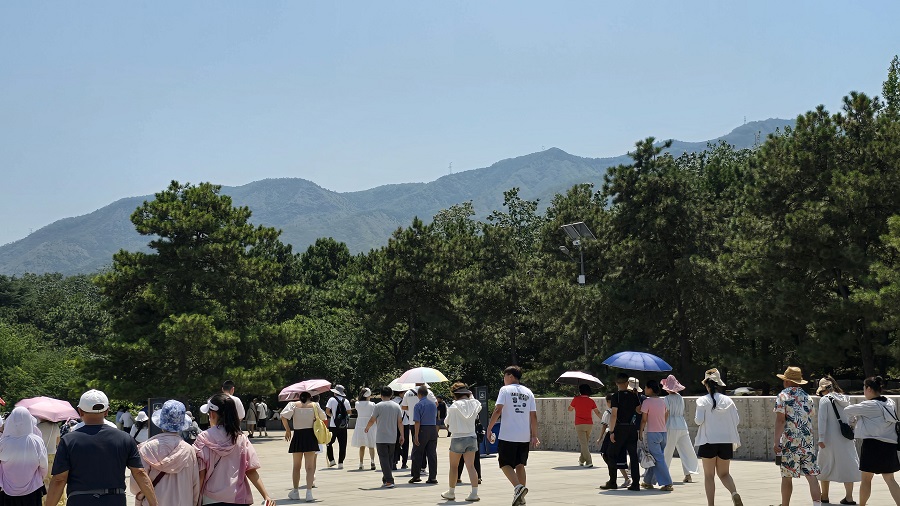
On the final day of a visit to China, a Turkmen youth delegation, led by Velimyrad Ovezov, Head of the Media Department of the Makhtumkuli Youth Organization of Turkmenistan’s Central Council, visited the famous Terracotta Army Museum in Xi’an. Located 37 kilometers east of Xi’an, this unique historical complex was a powerful final highlight of the trip, underscoring the richness of China’s cultural heritage.

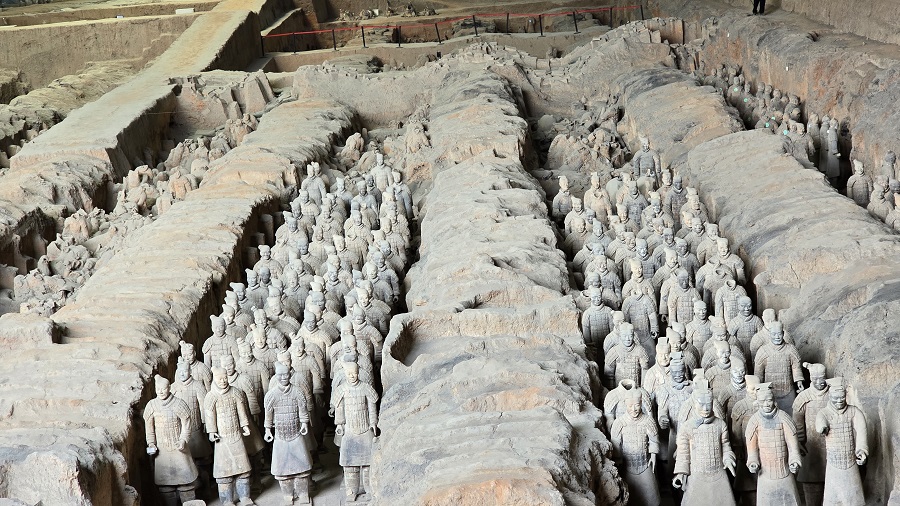
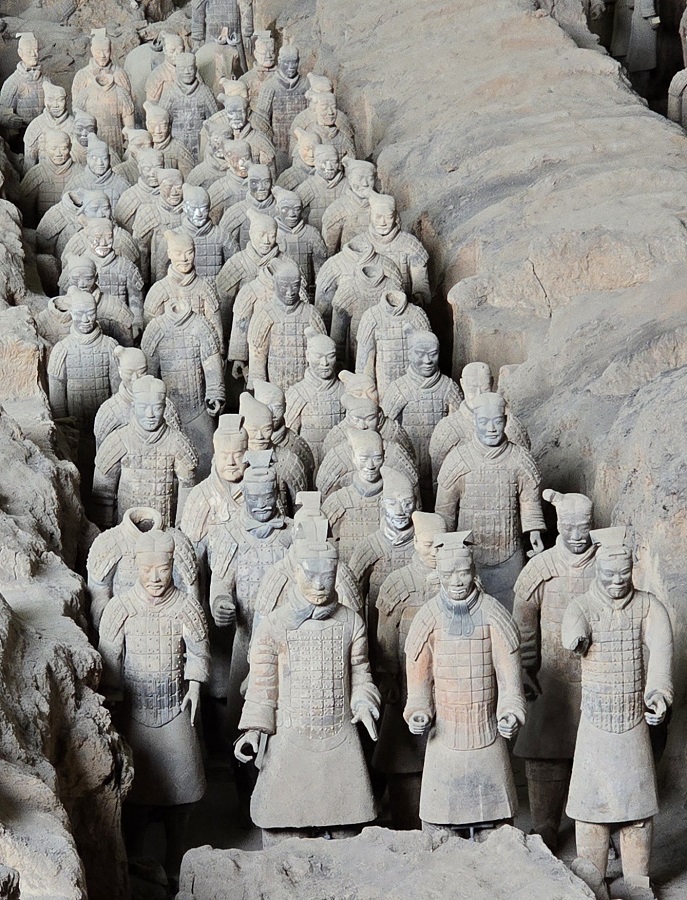
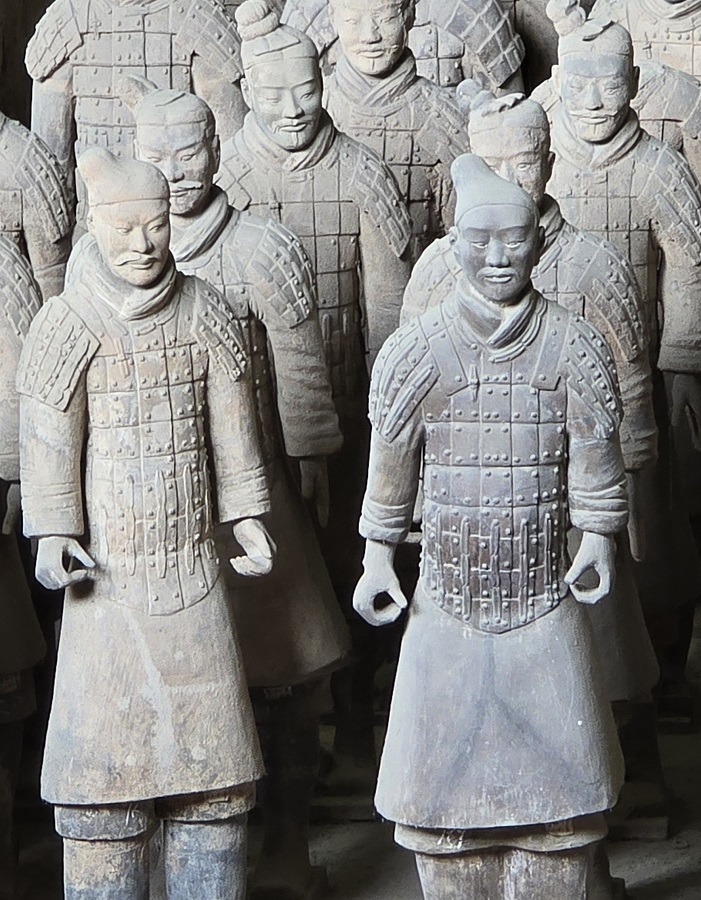
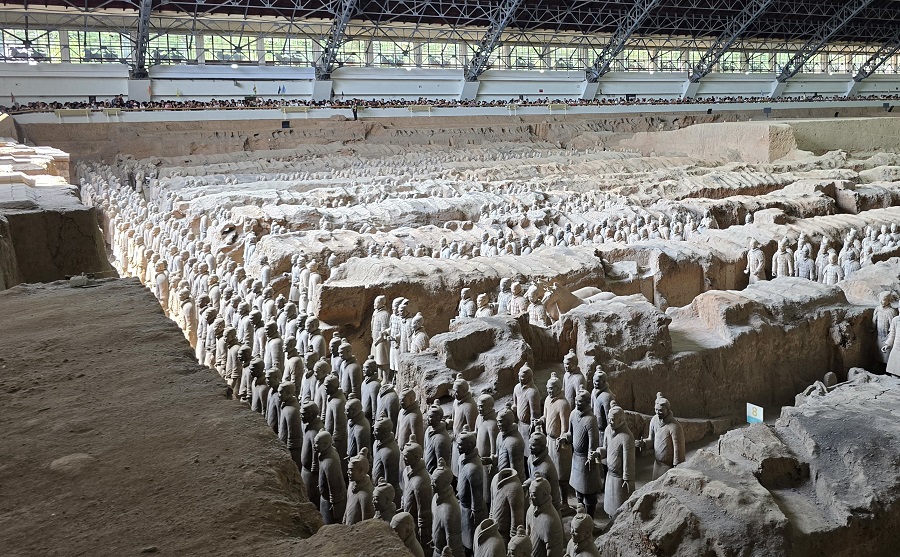
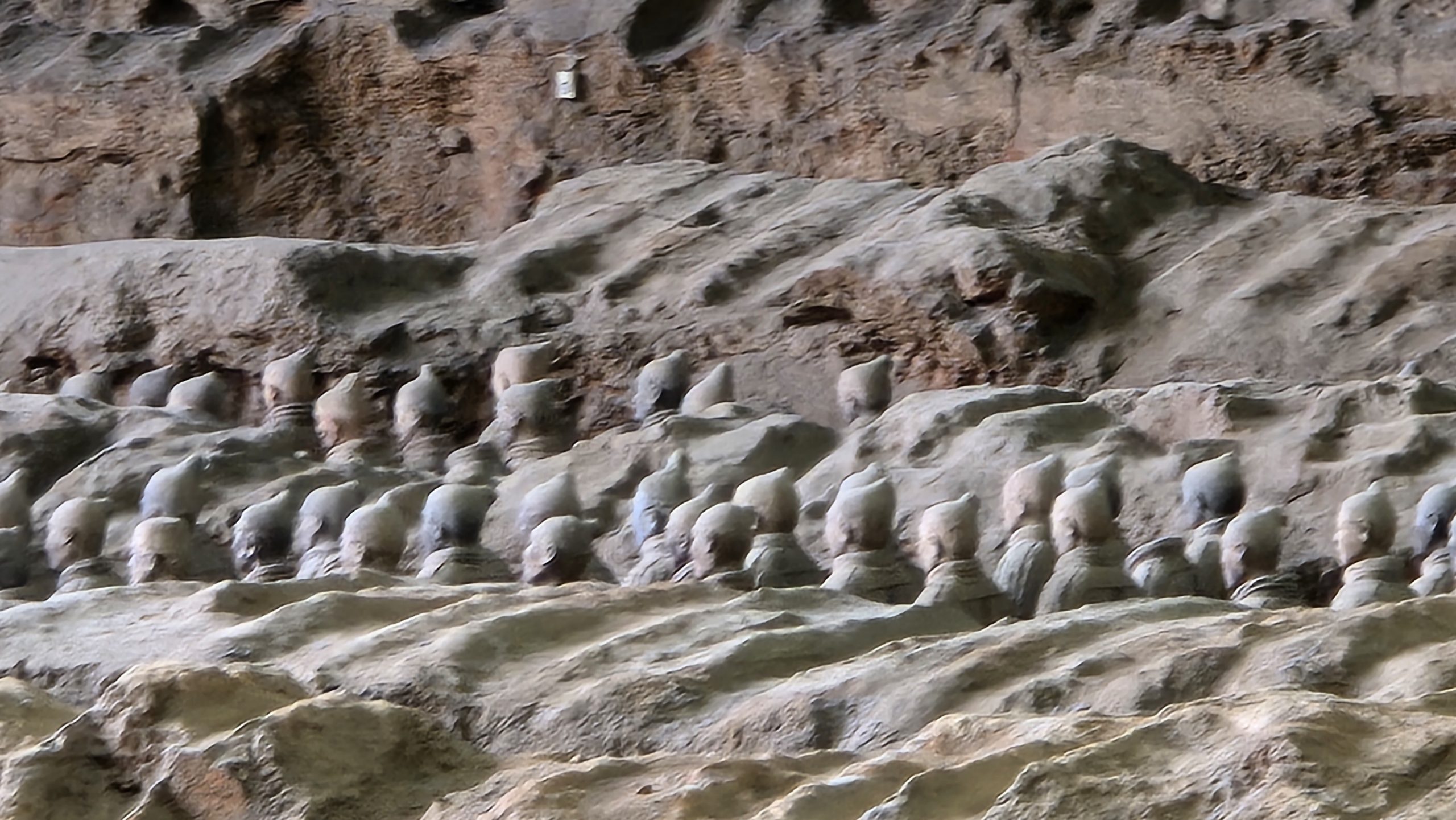
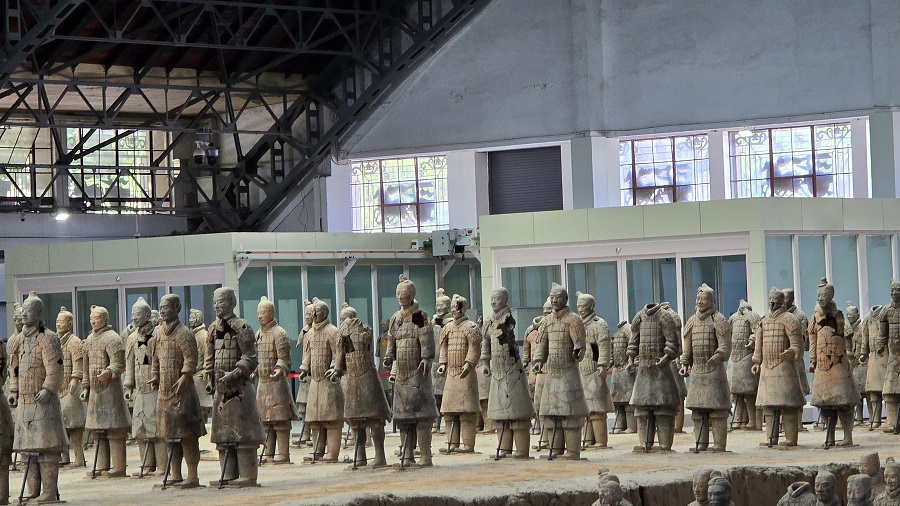
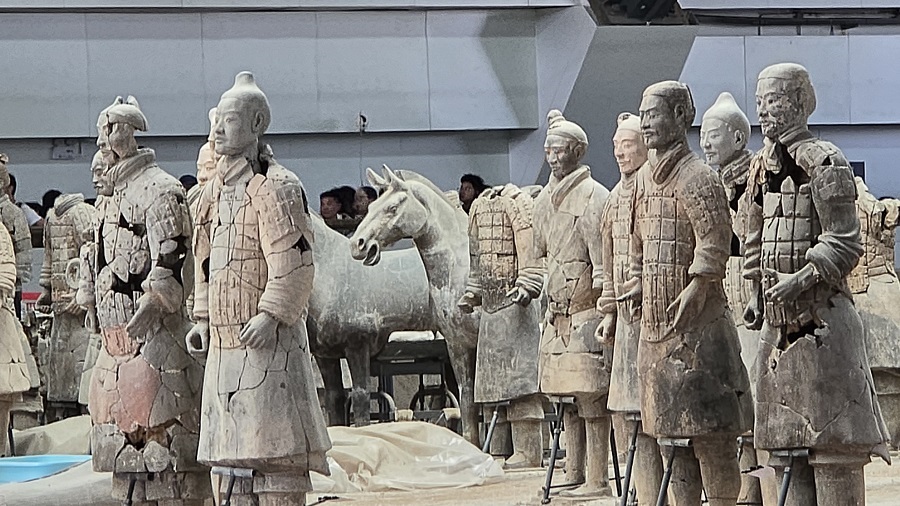
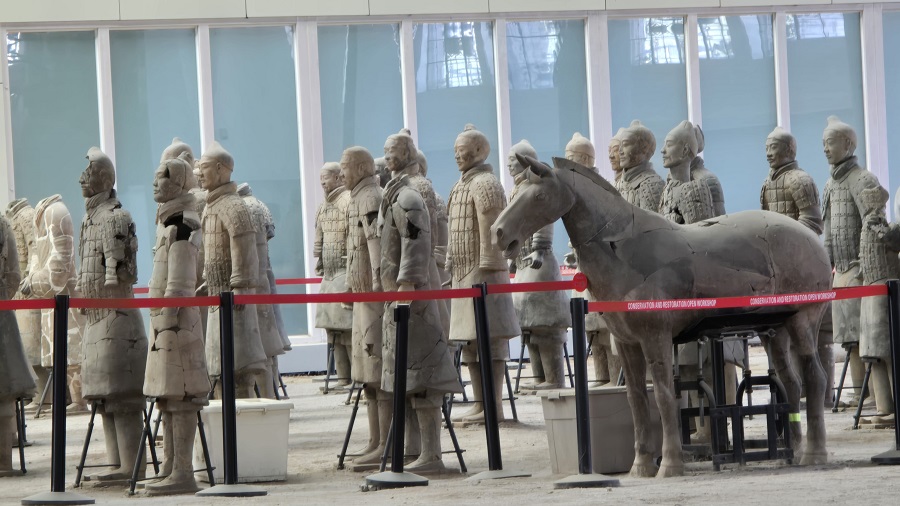
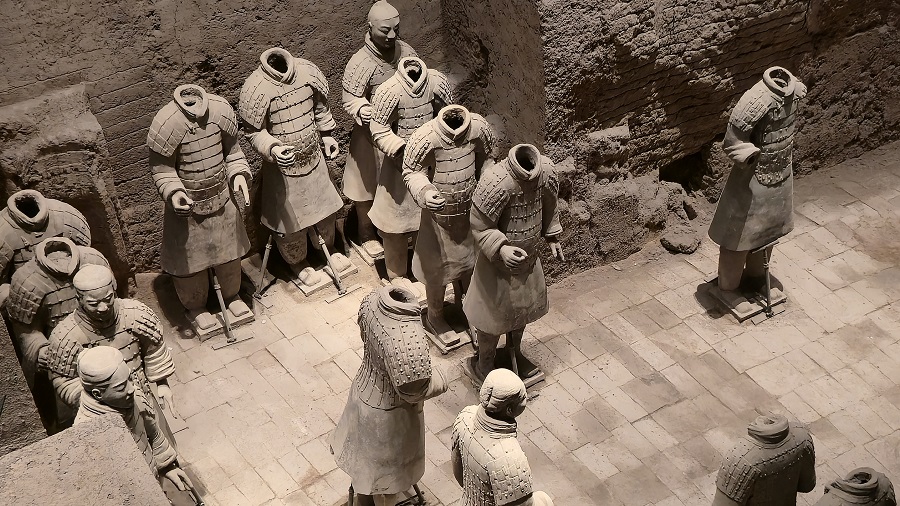
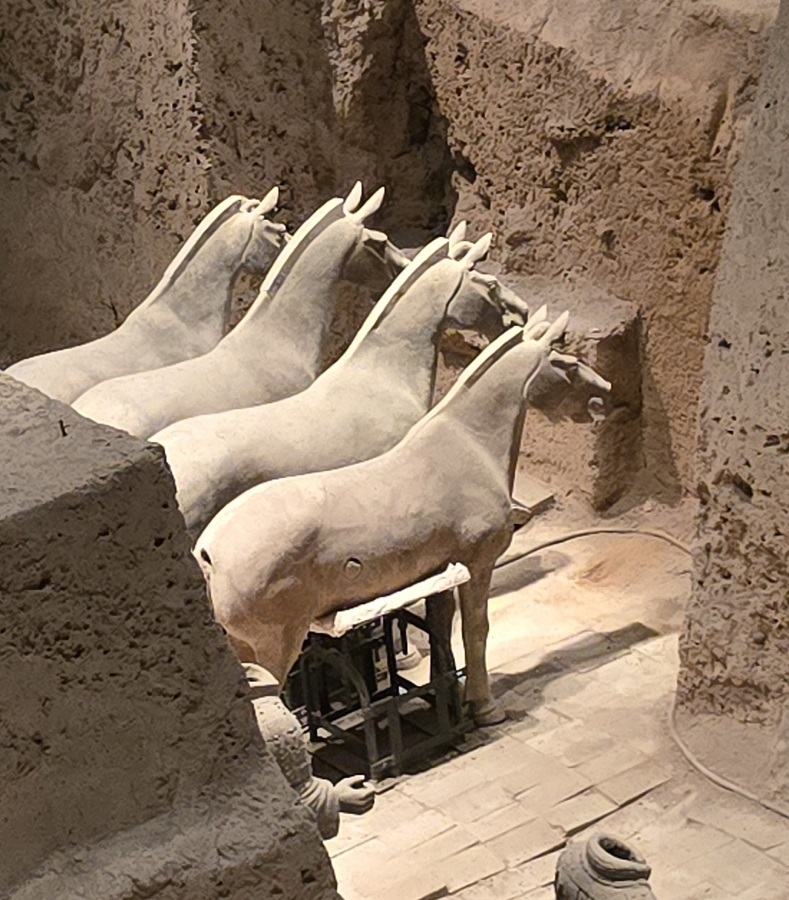
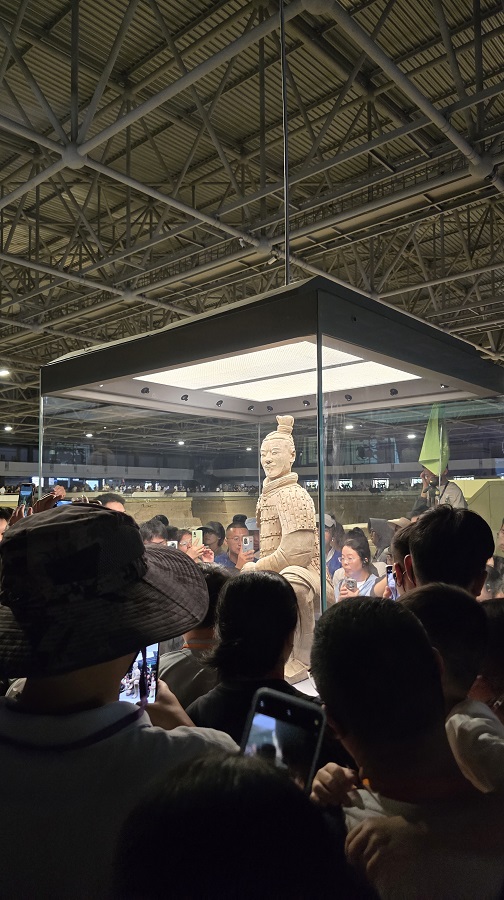
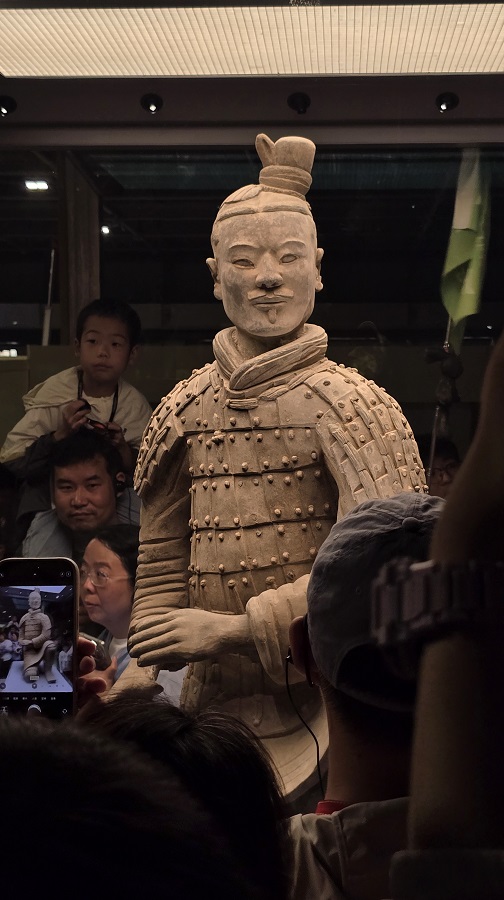
The Terracotta Army Museum, part of the mausoleum complex of Emperor Qin Shi Huang, the first ruler of a unified China, houses around 50,000 artifacts. Among them are more than 8,000 life-sized clay warriors, horses, and chariots, created over two thousand years ago to accompany the emperor in the afterlife. The sculptures are crafted with astonishing detail—you can even see individual strands of hair—reflecting the high level of skill of ancient Chinese sculptors and are considered a pinnacle of technological achievement for their time. It’s no wonder the Terracotta Army has been called the “Eighth Wonder of the World” and was inscribed as a UNESCO World Cultural Heritage site in 1987.
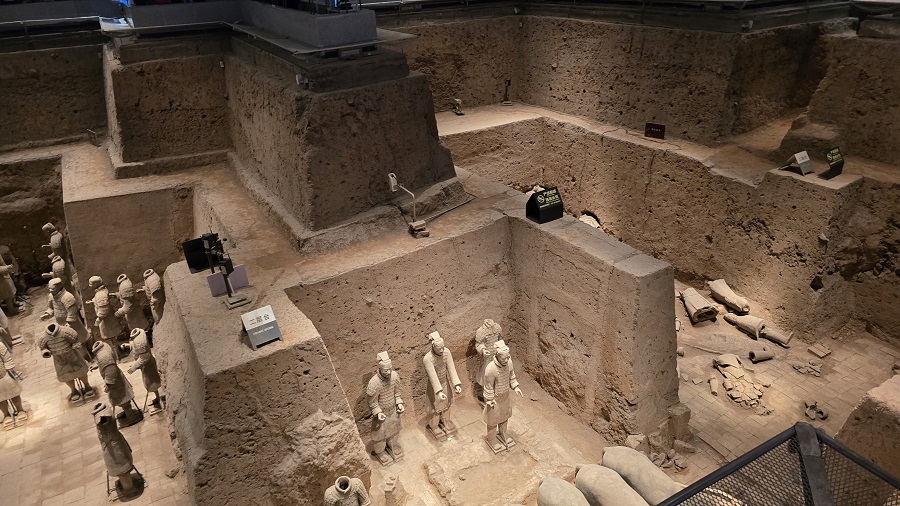
The story of the museum’s discovery is as remarkable as the exhibits themselves. In March 1974, local farmers digging a well accidentally stumbled upon the first pit of terracotta warriors. This discovery, unmentioned in any historical records, became an international sensation. Archaeological excavations began immediately, and the museum was opened to the public on October 1, 1974. Since then, it has welcomed over 100 million visitors, including more than 270 heads of state and government. Exhibitions of the Terracotta Army have been displayed in over 80 countries and 170 cities, becoming a global symbol of ancient Chinese civilization. During peak season, the museum attracts more than 50,000 visitors daily.

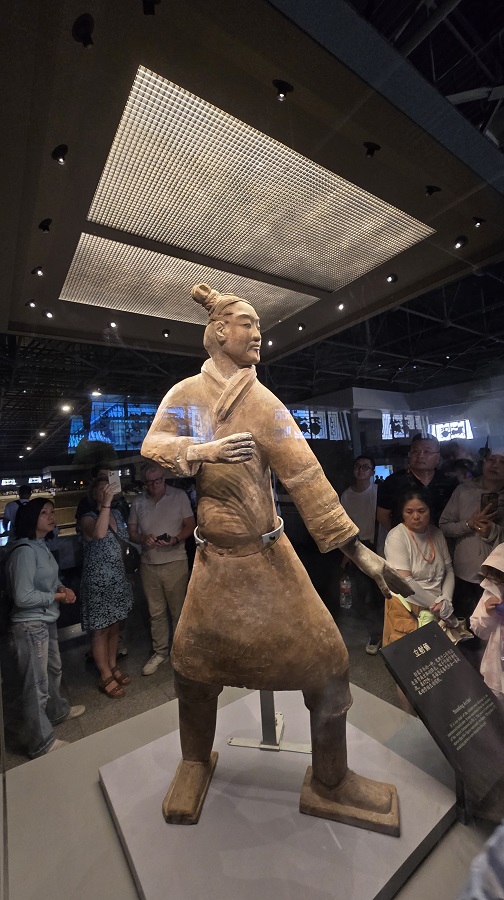
Each statue is unique: the warriors differ in pose, facial expression, and details of their armor, making the collection an invaluable resource for studying ancient Chinese politics, military affairs, science, and art.
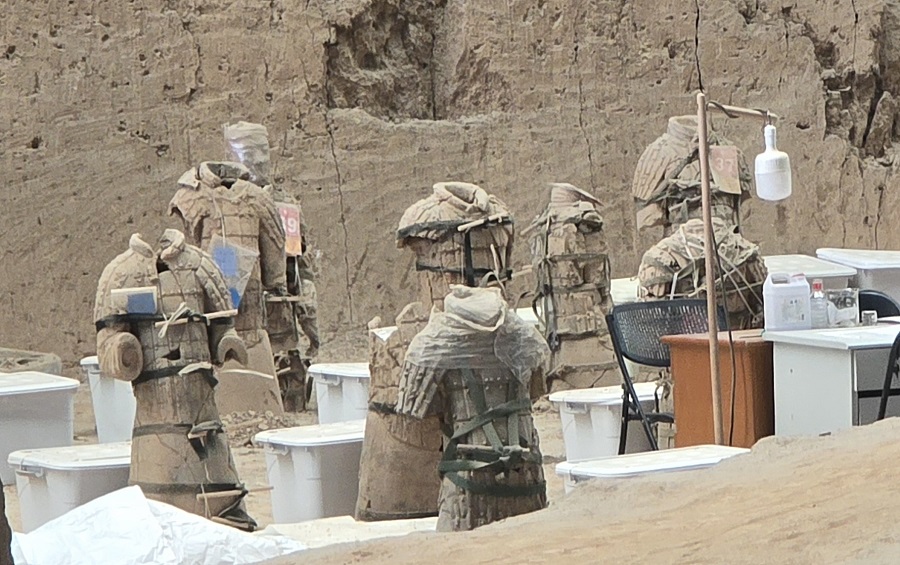
Interestingly, the statues were originally covered in bright colors, but over time, the paint faded, revealing the clay foundation. Approximately 700,000 specialists—archaeologists, restorers, and workers—are dedicated to preserving and restoring this magnificent heritage, ensuring that these fragile artifacts are protected for future generations.
The Terracotta Army Museum remains one of the main attractions of Shaanxi Province and a golden calling card for China, drawing millions of tourists annually. The army of terracotta warriors is yet another testament to the monumental human effort—both of the original master creators and of those who have dedicated themselves to preserving this grand monument to Chinese history.
///nCa, 2 August, 2025
Photo Report: