


Tariq Saeedi
As the conflict moves into its fifth week, the rhythm of Friday prayers across Iran has offered a window into the national mood. These sermons, delivered in the country’s three most prominent religious centres — Tehran, Qom, and Mashhad — have become platforms for mourning, defiance, and calls for unity.
In Tehran, at the Imam Khomeini Mosalla, the sermon was led by Hojjatoleslam Mohammad Javad Haj Ali Akbari (Tehran’s interim Friday prayer leader). He emphasised that the nation would continue its path “stronger than before,” framing the loss of Supreme Leader Ayatollah Ali Khamenei as the “sunset of one sun” but the rising of “thousands of springs of sunlight” among the people. The message stressed popular support for the armed forces and the importance of staying in the arena.
In Qom, at the shrine of Fatima Masumeh, Ayatollah Alireza Arafi delivered the sermon. As a senior cleric and member of the interim leadership structures, his tone focused on continuity, institutional stability, and the enduring religious foundations of the Islamic Republic.
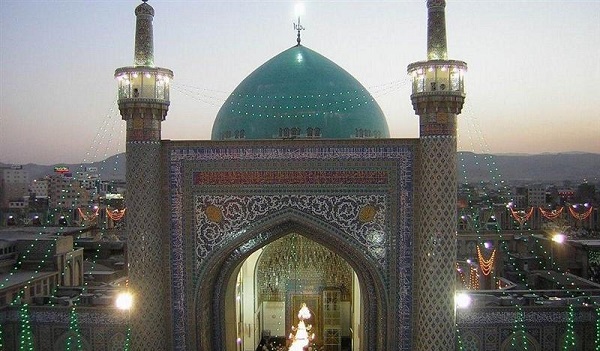
In Mashhad, at the Imam Reza Shrine, the long-standing Friday prayer leader Ayatollah Ahmad Alamolhoda spoke with visible emotion. In one of the first major sermons since Khamenei’s death, he struggled through tears, telling the congregation, “Up until now, we had never held Friday prayers without a master… We have lost our Agha.” He rejected any idea of ceasefire or negotiations, described the current struggle in epic terms (comparing it to historic battles), and claimed significant military successes against American and Israeli targets. His sermon was a raw blend of grief and resolve.
Across all three cities, the sermons echoed several consistent themes:
- Deep mourning for the late Supreme Leader, combined with a clear assertion that his path continues under the new leadership.
- Unwavering commitment to resistance against what was described as unprovoked aggression.
- Appeals for national unity and public presence in support of the armed forces.
- Rejection of any compromise that would compromise Iran’s sovereignty or dignity.
These Friday gatherings have not been mere religious rituals. They have served as moments of collective reaffirmation — blending sorrow, anger, and determination.
In a country where Friday prayers have long functioned as both spiritual and political barometers, the messages from the pulpits this month reflect a nation drawing on its institutional depth and cultural memory to absorb shock and project continuity.
Whether these sermons will translate into broader strategic outcomes remains to be seen. But they do illustrate something we have noted in earlier parts of this series: the remarkable institutional and emotional resilience that characterises Iranian society even under sustained pressure.
The voices from Tehran, Qom, and Mashhad suggest that, for now, the call is for steadfastness rather than concession. As the search for de-escalation continues, these weekly messages from the country’s religious heartlands remain an important part of the broader picture. /// nCa, 30 March 2026