


Maya Amanmuradova, UNDP Communications Associate (Turkmenistan)
What Are These New Technologies?
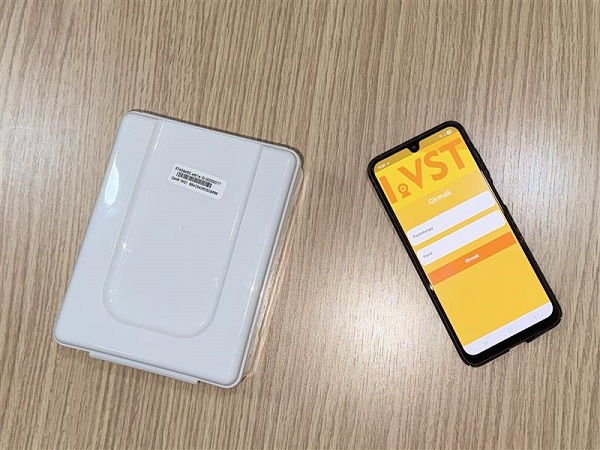
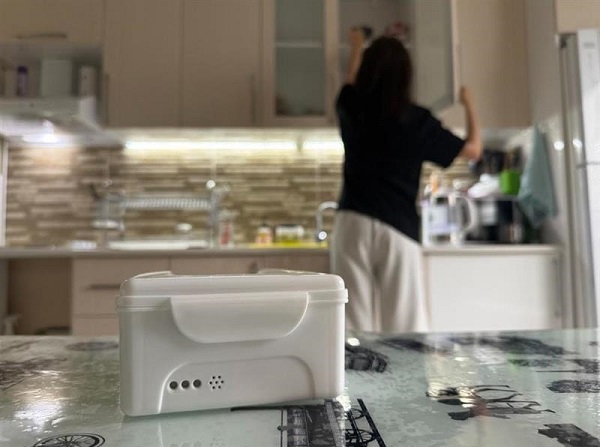
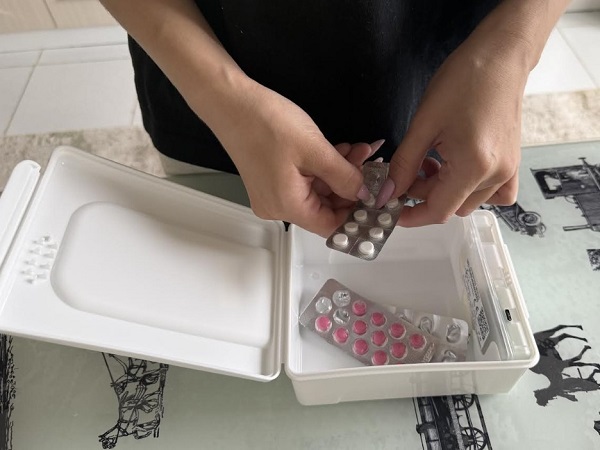
Smart Pillboxes are electronic devices that store medicines and emit audible reminders when it’s time to take a dose of TB medicines. The system records the exact time the box is opened and transmits this adherence data to a responsible nurse in medical facility. This enables doctors and nurses across the country to remotely monitor whether a patient is taking medicines.
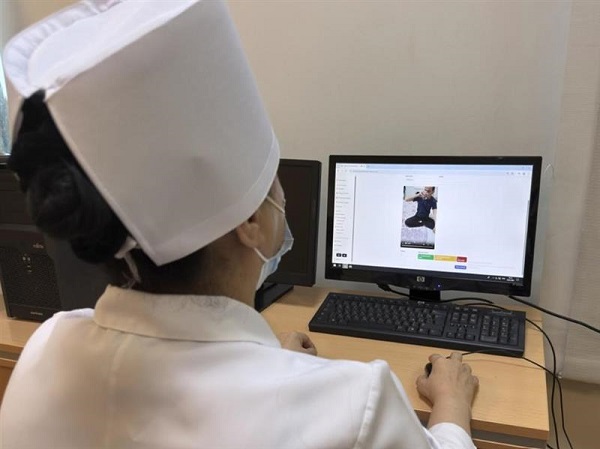
Vdeo-Supported Treatment (VST) is a modern alternative to Supervised TB treatment – whereas patients receive medicines on daily basis in medical facilities. It allows patients and healthcare workers to connect via smartphone.
Convenience, Efficiency, and Engagement
The shift towards these digital tools is driven by a powerful set of benefits for both the person receiving treatment and the health workers managing their care.
For patients, it’s often about reclaiming their time and dignity. The most immediate advantage is the end of daily trips to the clinic.
“It was such a relief not to have to travel more than an hour just to be seen taking my pills,” – Anjela, 44, says. “I used to have to travel in the morning after I get the children ready and took them to school. At that time, the roads are in rush hour, everyone is going to work. And the journey to the medical facility took more than an hour, sometimes even two, and it was absolutely uncomfortable. And there I had to swallow all the pills at once and then travel back home again to deal with my daily chores. As you know, TB treatment is not easy; the medicines are strong and have side effects, and often on the way home, I would feel unwell. The whole day would end up being stressful and disrupted. Thanks to VST, now I can calmly take children to school, come back home, have a proper breakfast, and take the pills at home. The doctor even allowed me to split the dose into morning and afternoon. And I feel much more energetic because of this, and I have enough strength left to manage household chores and remote work”.
These technologies offer a patient a level of privacy. For many people, a daily visit to a medical facility feels like a public announcement of their illness. VST and Smart Pillboxes allow for discreet, at-home treatment, which can be a powerful tool against the stigma associated with TB. As student Mahrijemal, 20, explained, the discreet nature of the Smart Pillbox helped her manage her treatment privately:
“It’s not that I’m hiding my diagnosis. Actually, a lot of people know that my uncle had TB, and my cousin and I contracted TB. But I don’t want to face those people – neighbors, friends – every day on my way to the medical facility and see their awkward reactions. Sometimes it feels like people either pity me or simply don’t know what to talk to me about besides TB. It chips away at my confidence every single time. And the pillbox became a tool that helped me stay confident, stable and focused on my recovery and on getting back to my in-person studying”.
Furthermore, the most significant benefit for healthcare workers is the reduction in time spent on TB treatment supervision. This frees them up to focus on other clinical tasks and provide care to more patients. A nurse reflects: “I used to spend my mornings waiting for patients at the clinic. Now, I can quickly review VST recordings in the afternoon and spend my time following up with the patients who need me”. Evidence also suggests that these technologies can lead to higher treatment success rates.
Barriers and Challenges
Of course, these technologies are not a universal solution. Their implementation in the real world reveals challenges. An elderly patient, Shohrat, 63, also feels frustrated, saying: “This smart box is a good idea, but I don’t understand how to use it or how to check whether it is working or not. I’d rather just go to the medical facility where I know I’m taking all the pills right. There I can also consult on side effects and other issues with a real person”.
Doctors and nurses of the National Tuberculosis Programme support the patients on daily basis and are explaining technical and behavioral issues patients might face while using VST or Smart Pillboxes. But some patients just prefer to remain in their usual treatment model and visit a medical facility daily to take their medicines and maintain regular conversations with a nurse and a doctor.
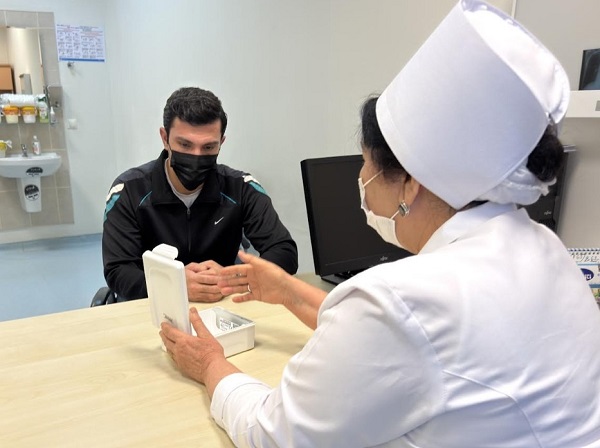
The evidence suggests that technologies like Smart Pillboxes and VST are not a simple replacement for the previous system but rather a powerful new set of tools to be used wisely. Their main strength lies in their ability to offer patient-centered care – reducing stigma, saving time and money, and empowering individuals to manage their health – for those patients, who are interested in it.
Widening the choices
A hybrid model of care may be the most effective path forward. For a tech-savvy people, VST and smart pillbox with audio reminders might be life-changing. Elderly or other patients who prefer conventional care can still visit the healthcare facility.
“Patients getting TB treatment still have to come for check-ups every month anyway. That’s how the doctor keeps track of how the treatment works, checks for side effects, or notices if there are any other health issues or concerns. These visits are also a good time for patients to talk about anything else that’s bothering them – stress, family issues, whatever. They can get advice or just some support if they need it”, – comments the doctor Yazgul.
The future of TB care is not about choosing between digital tools and a contact with a person, but about using the digital tools to empower, both the patient and the provider, to achieve the best possible outcome. ///UNDP Turkmenistan