


In the foothills of the Kopetdag, where the pure mountain air merges with the horizon, lies one of Turkmenistan’s most famous landmarks — “Saglyk Ýoly”, the Health Path. This white-stone thread, stretching across the ridges of Ginduwar, has long been more than just a place for exercise for residents and visitors of the capital alike.
We set out along the 8-kilometer path (another stretches 20 kilometers in the opposite direction). Our mission was to capture the moment when spring arrives with a quiet step. During this time, the mountains are transformed: the rugged cliffs are draped in delicate greenery, and the scent of awakening earth fills the air.
This photo report is a look at the Health Path not through the lens of athletic achievement, but through contemplation. We invite you to notice what often escapes the eye during an intense ascent.
The Visual Journey
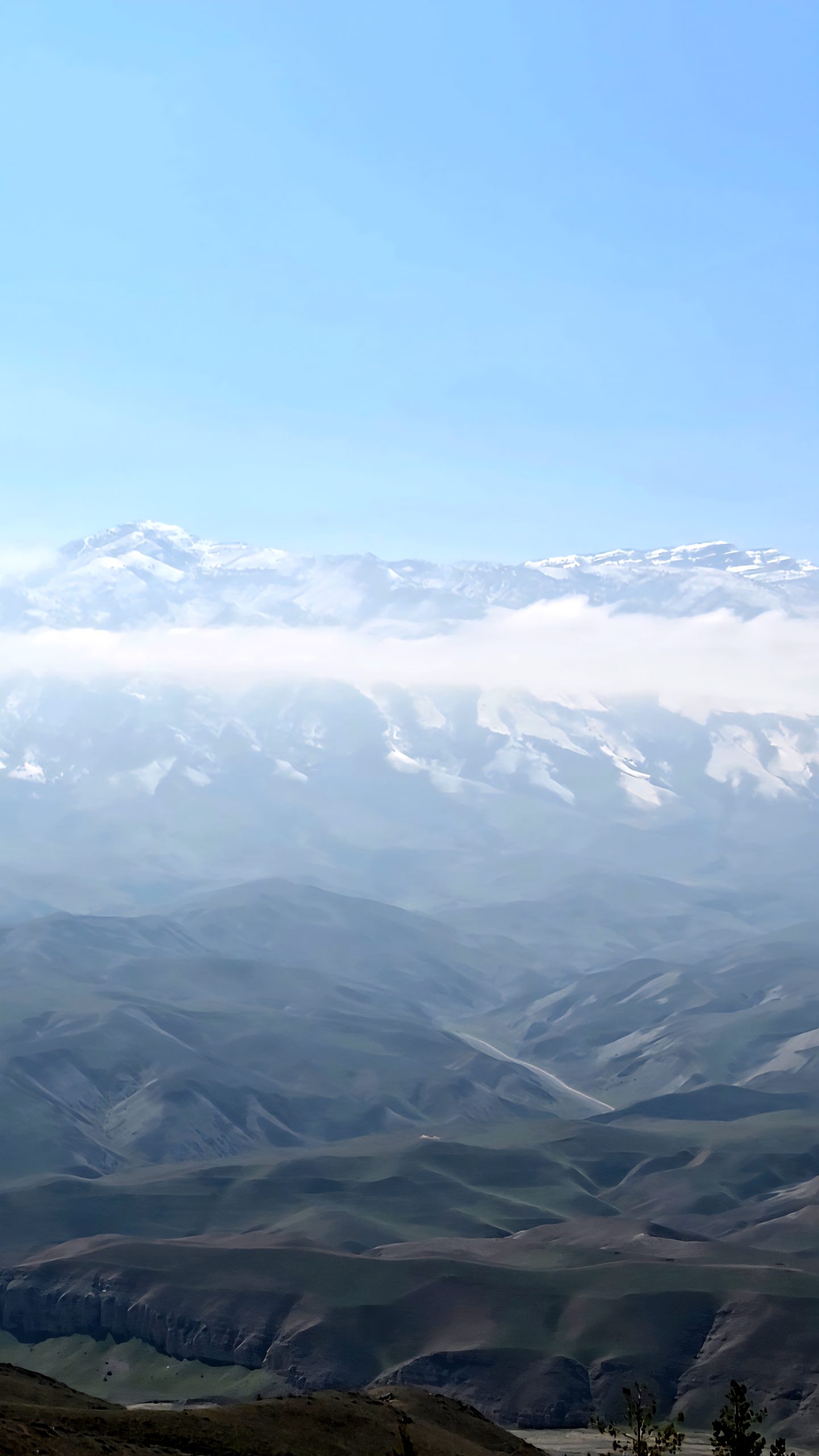
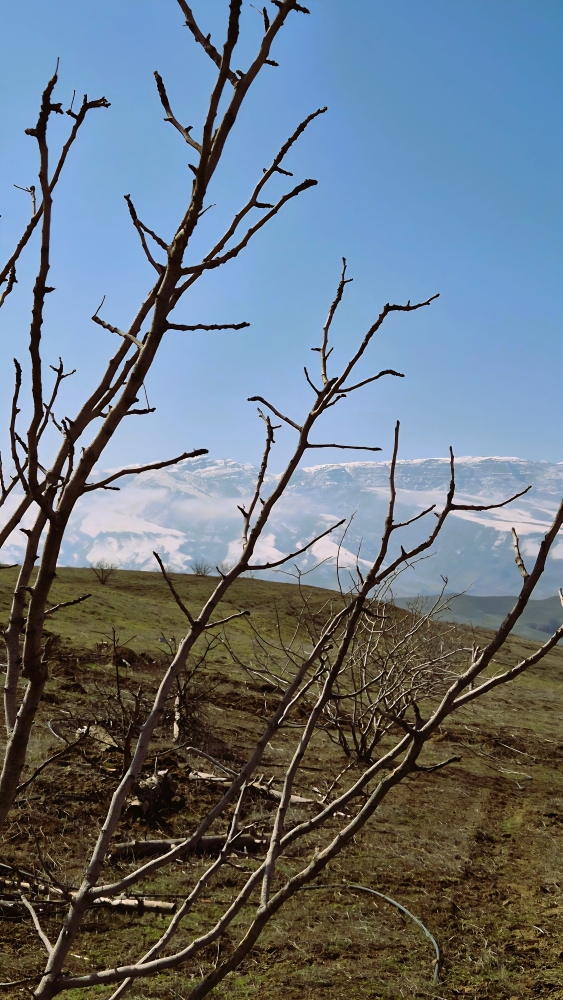
Majestic Kopetdag: A panoramic view of snow-capped peaks shrouded in clouds. The spring awakening turns the foothills into a multi-layered canvas of verdant greens and shifting shadows.
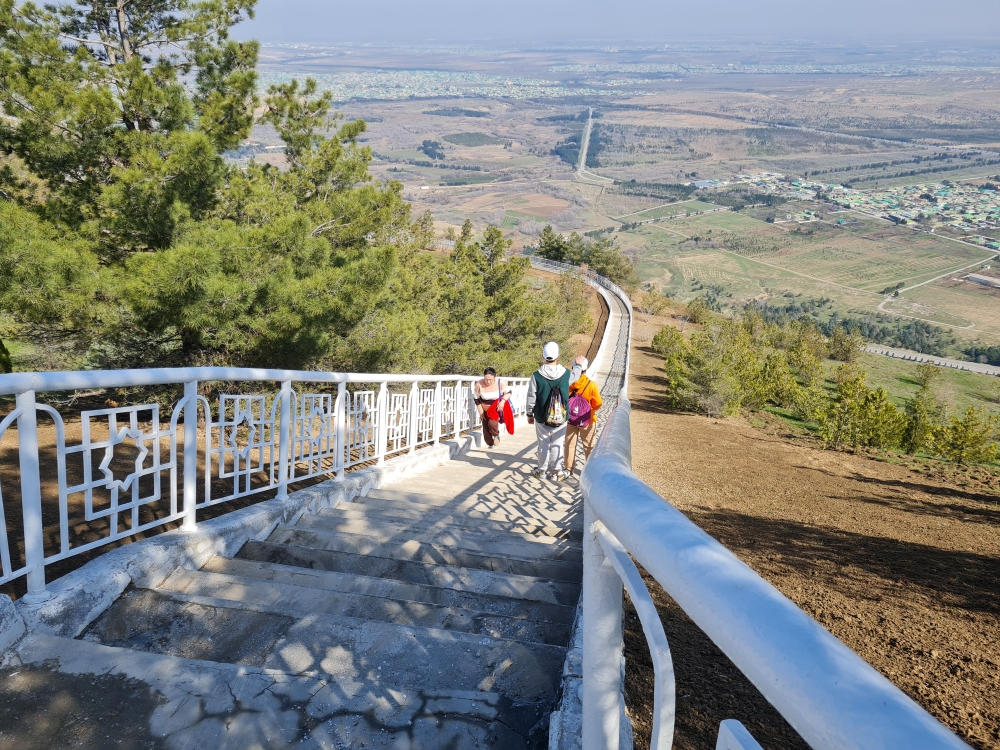
The Architecture of the Route: The famous concrete staircase winding along the mountain crests. This is not merely a sports facility, but a gateway to breathtaking views of Ashgabat and its surroundings.
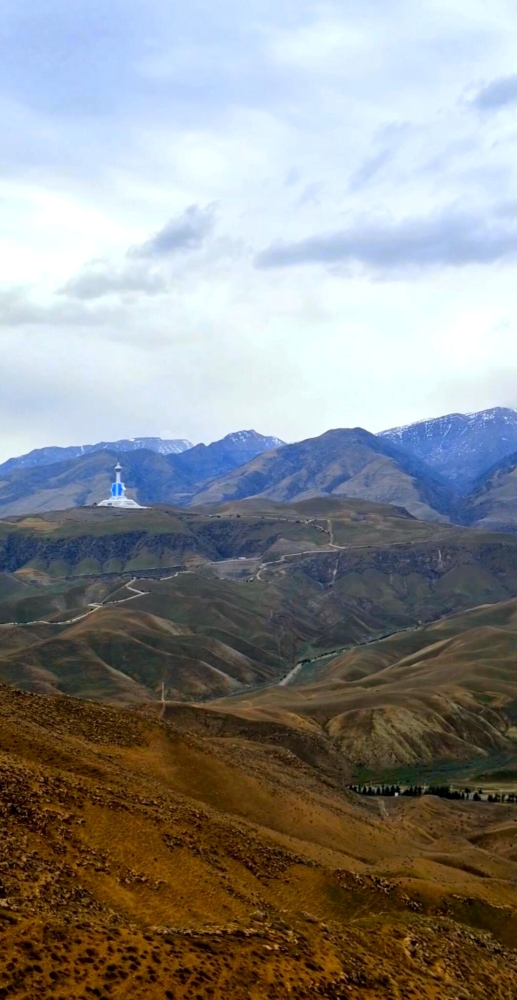
Symbols of Modernity: A view of the “Turkmenistan” Television and Radio Center, rising above the mountain ranges like a futuristic lighthouse.
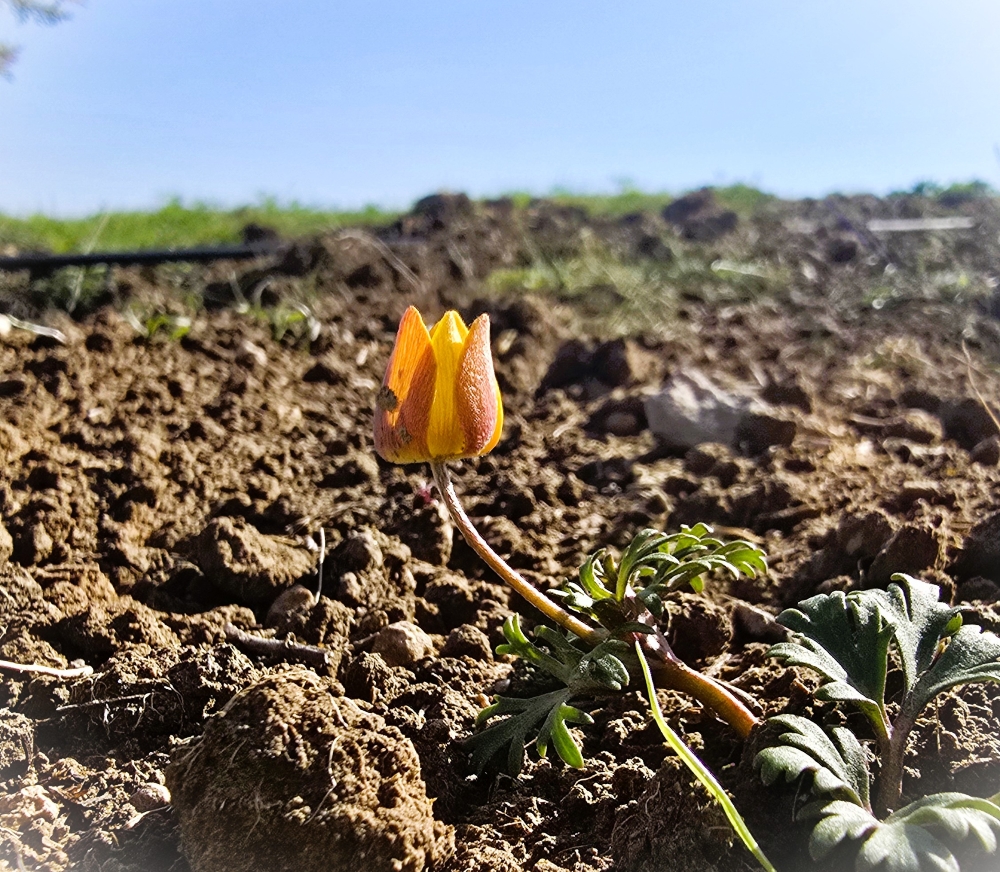
The First Harbingers of Spring: A delicate wild tulip pushing through the stony soil—a vibrant yellow-orange accent against the backdrop of the awakening earth.
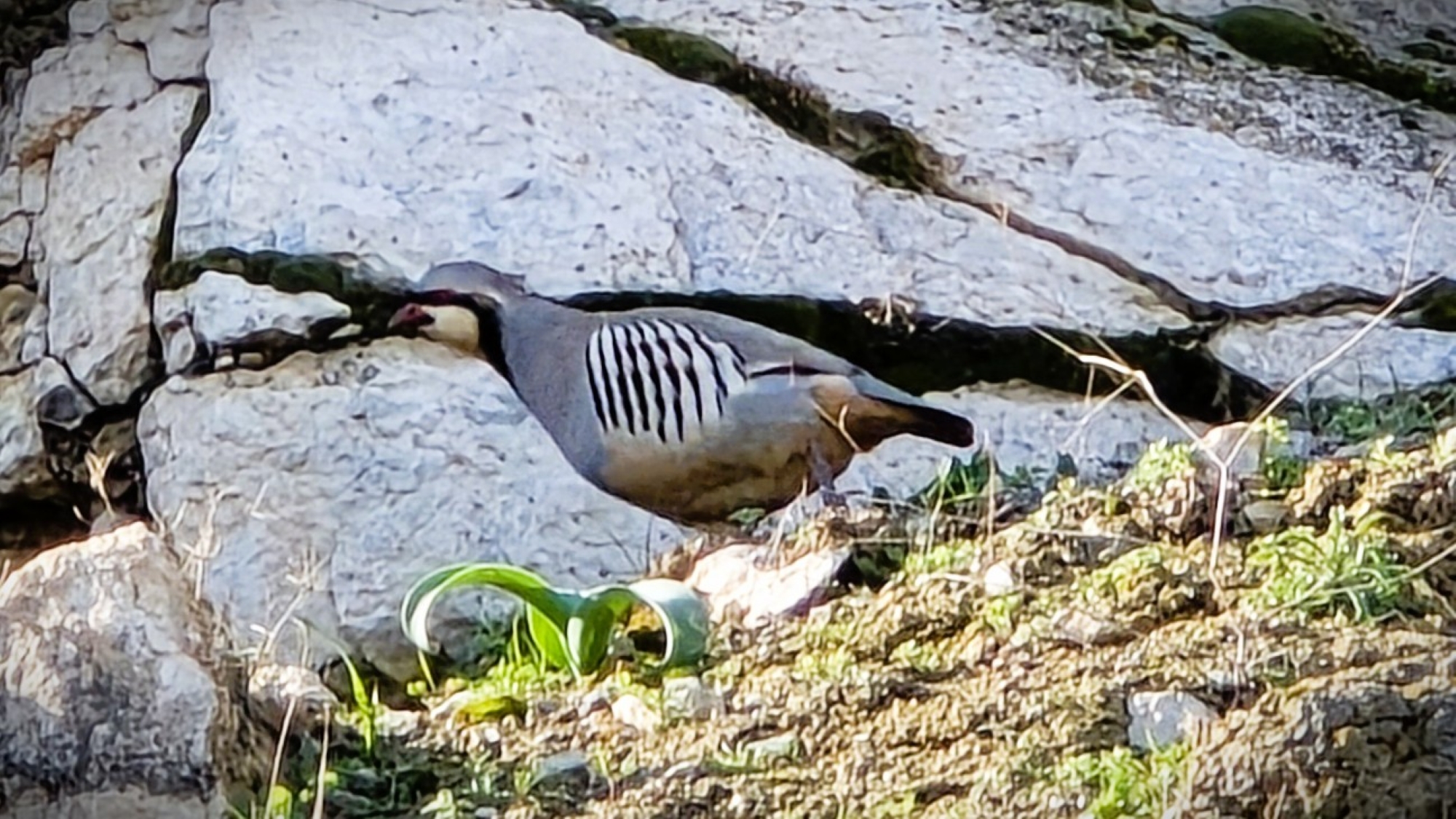
Masters of the Heights: * The Chukar (Stone Partridge): This mottled bird, perfectly camouflaged among the rocks, is a frequent companion to travelers on the Path.
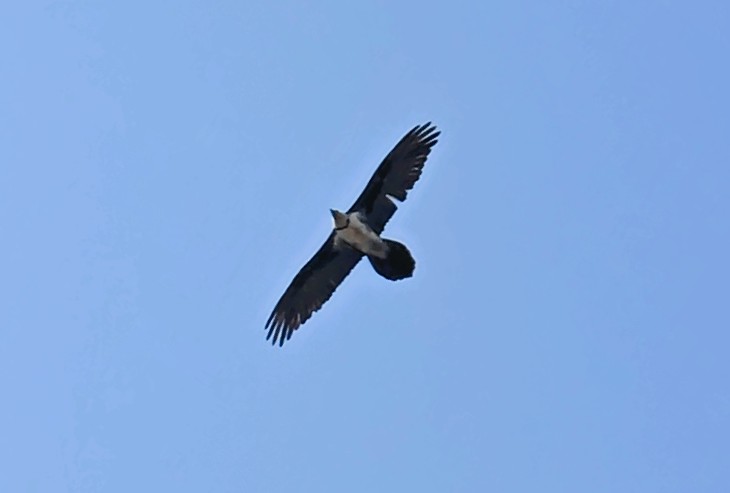
Lord of the Sky: The powerful wingspan of a bird of prey (likely a Bearded Vulture or a Golden Eagle) against the clear azure sky highlights the wild nature of these lands.
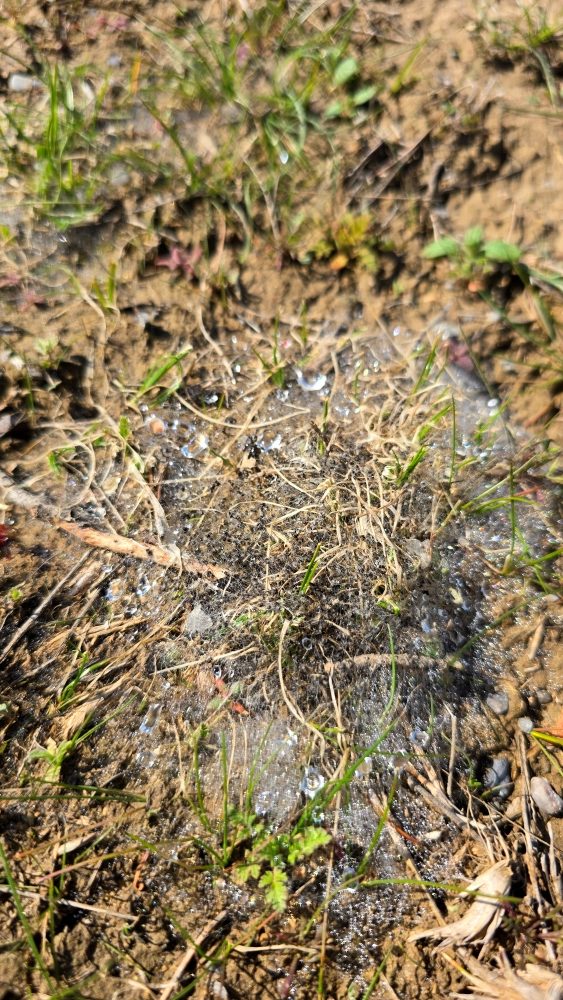
The Microworld: Morning dew frozen on a delicate web in the grass—a fragile moment of a spring morning.
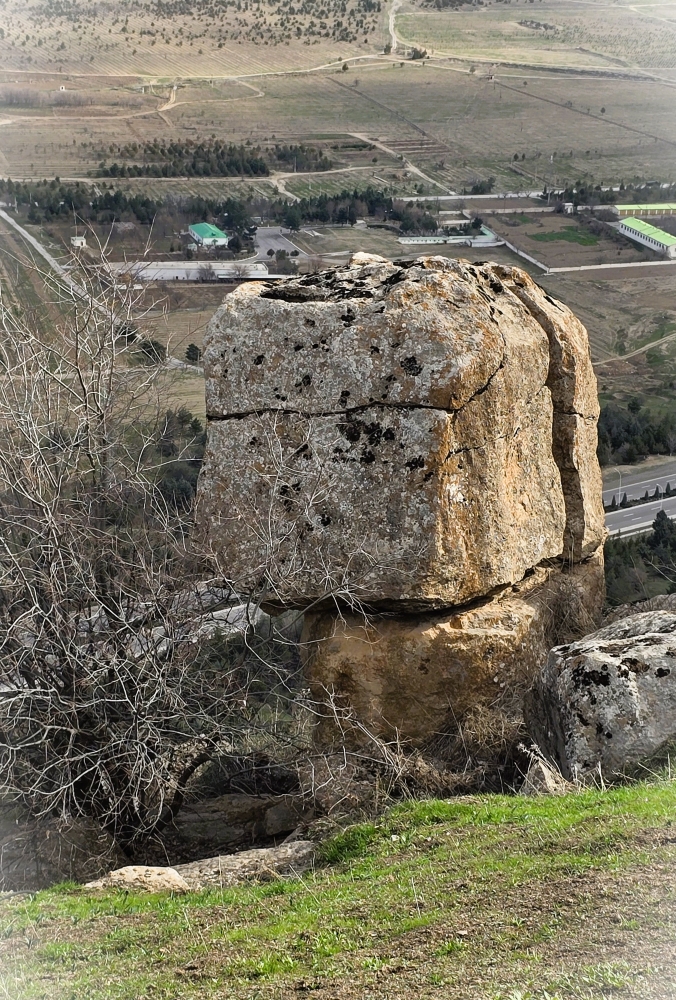
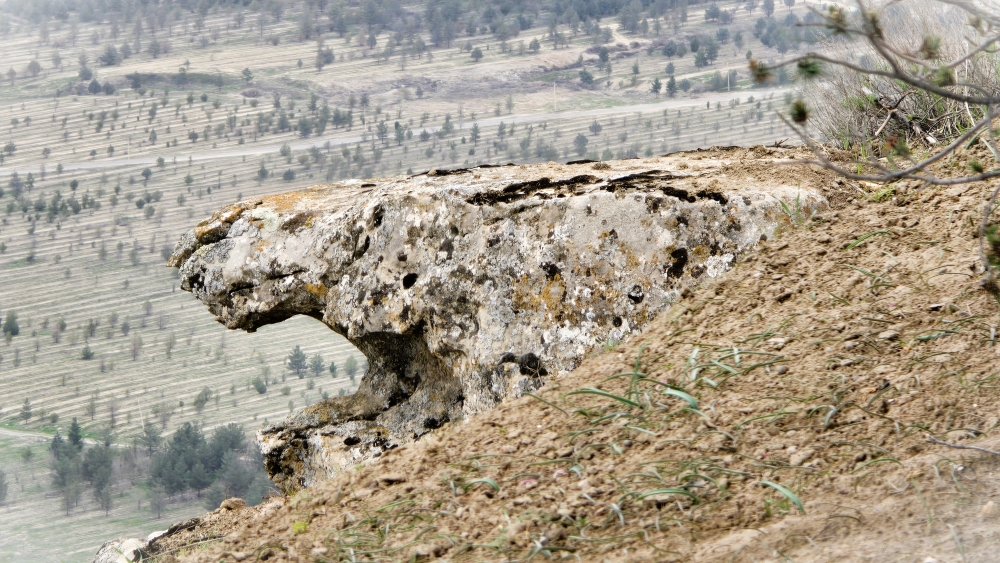
Stone Sentinels: Massive boulders of unusual shapes, polished by wind and time. One of them resembles the head of a prehistoric lizard, frozen in an eternal watch over the valley.
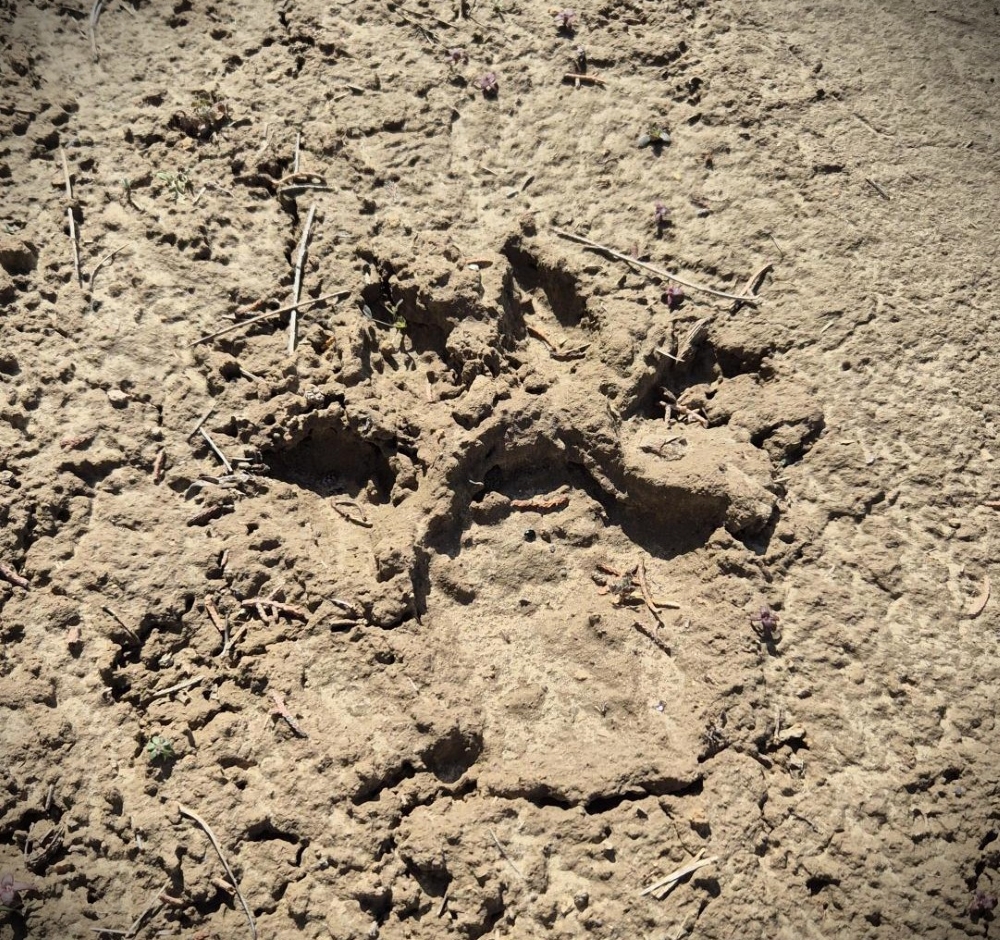
“The Hidden Master of the Mountains”: A true stroke of luck for the observant traveler—discovering the footprint of one who prefers to remain invisible on the soft ground. The characteristic rounded print without claw marks hints at the presence of a graceful predator. Perhaps, just recently, a Persian leopard passed through here, reminding us that the Kopetdag mountains are, above all, a home for rare and majestic animals, and we are but temporary guests.
///nCa, 16 March 2026