


Tariq Saeedi
As I reflect on the unfolding conflict, it strikes me that this war on Iran defies all reason and logic. There was no compelling justification presented for launching the strikes—no imminent threat that couldn’t have been addressed through diplomacy or existing sanctions. And without clear, measurable objectives, what we’re left with is a cycle of mindless death and destruction.
The strikes have already claimed thousands of lives on both sides, far beyond what the planners might have anticipated, turning what was meant to be a swift operation into bilateral pain. If it continues unchecked, this could metastasize into a multilateral malignancy, drawing in more nations and amplifying the chaos across the region.
It’s worth pausing to consider the echoes of the past, particularly the Iran-Iraq War from 1980 to 1988. That conflict, initiated by Iraq, dragged on for eight grueling years. Iraq enjoyed direct or indirect backing from dozens of countries—around 47 by some counts—while Iran stood largely alone.
The scale of support was staggering: financial aid to Iraq surpassed $50 billion, alongside massive shipments of weapons, advanced technology, intelligence, economic assistance, military components, and even volunteers who joined the fighting.
I won’t dwell on the specific nations involved, as the goal here isn’t to reopen old wounds, but to highlight how everything needed to sustain a prolonged war was funneled to one side.
Iran endured nearly one million casualties in total, including deaths, injuries, and missing in action. This came at a time when the Islamic Revolution was barely 18 months old, with the Shah-era generals purged and their successors still finding their footing amid internal upheaval.
The world has changed since then. This current war hasn’t mustered even a fraction of that international support—moral or material—for the aggressors. The results after the first nine days speak volumes: Iranian countermeasures have disrupted global energy flows, stranded shipping, and inflicted casualties that have shocked observers. Public backing in the West and among allies remains tepid at best, fractured by debates over legality and long-term consequences.
In understanding Iran’s response, it’s essential to recognize the centrality of martyrdom in Shia Islam.
The faith revolves around the sacrifices of Imam Hussein and other key figures, with rituals of mourning marking nearly 60 days throughout the year. This cultural and religious emphasis on endurance through suffering fosters a resilience that external forces often underestimate. It turns loss into a unifying force, much like we’ve seen in the rallies following the strikes.
History offers another cautionary tale from Iran itself. Mohammad Reza Shah Pahlavi dismissed reports of mass protests against his rule until it was far too late. In early November 1978, confronted with undeniable evidence of widespread unrest, he finally acknowledged the scale of the opposition. On November 6, he addressed the nation in a televised speech, declaring, “I have heard the voice of your revolution.” But the gesture came too little, too late. Crowds had swollen into millions, particularly along what was then Shah Reza Avenue—now renamed Enqelab (Revolution) Street.
Shortly after, on January 16, 1979, the Shah piloted his royal Boeing 707 out of Iran, fleeing with his family and what assets they could carry, never to return.
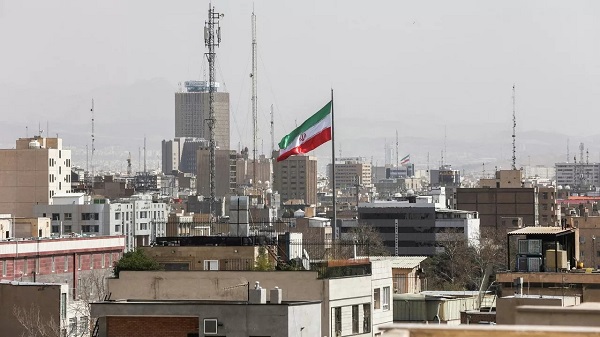
Today, echoes of those scenes are reemerging. Crowds have gathered again on Enqelab Street and elsewhere, protesting the war and defying the ongoing bombings. If this conflict persists, it will undoubtedly inflict deep pain on the Iranian people—economic hardship, loss of life, and infrastructural ruin. Yet, it’s wishful thinking to assume it will dismantle the entire system or shift the national mindset overnight.
Paving the way for the Shah’s only surviving son, Reza Pahlavi—who, by his own account, relies on support from the Iranian diaspora and has focused his life on advocacy rather than traditional employment—seems even more improbable. The Iranian people have shown time and again that change comes from within, on their own terms.
This brings us to a critical question: When will it be the right time for the United Nations to intervene decisively to end the war?
Diplomatic channels remain open, and a concerted international effort could halt the escalation before it spirals further.
Whatever path we choose, we must not walk straight into the traps of history—repeating the miscalculations of prolonged, unsupported conflicts or ignoring the deep-rooted forces that shape a nation’s resolve. The lessons are there; it’s up to us to heed them. /// nCa, 10 March 2026