


The Government of Turkmenistan and the United Nations today convened a high-level Hard Talk — a platform for open and constructive dialogue — focused on accelerating access to pre-primary education. Led by UNICEF in Turkmenistan, this initiative brings together national partners, UN representatives, and international experts to strengthen joint efforts, align national priorities with the Sustainable Development Goals (SDGs), and accelerate Turkmenistan’s progress in fulfilling its international commitments.
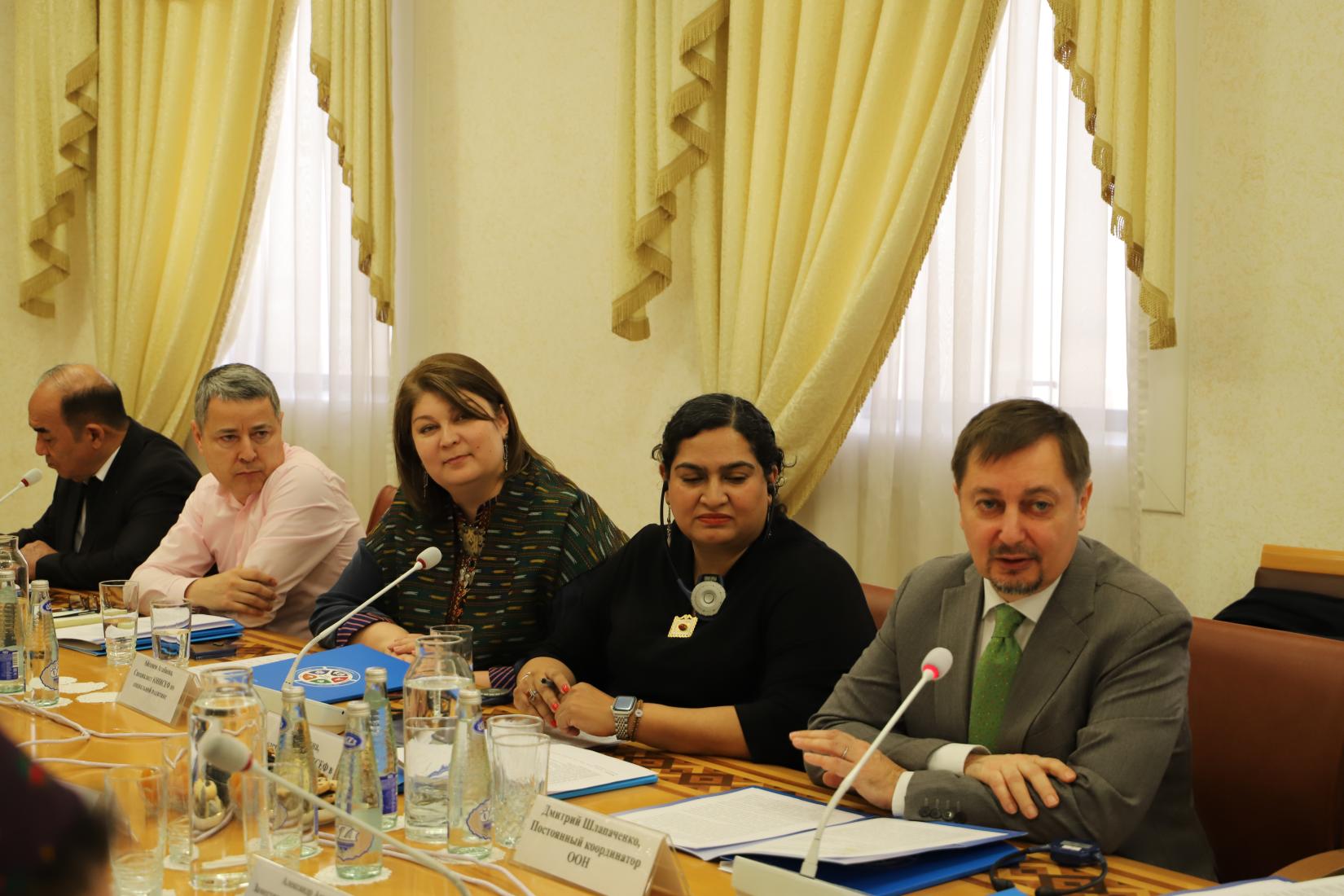
“Early learning equips children with the skills necessary for successful education, wellbeing, and productivity throughout their lives, strengthening both society and the economy. Today’s open dialogue is an opportunity to work together with the United Nations to define concrete steps to ensure universal access to pre-primary education in Turkmenistan by 2030 in a alignment with Turkmenistan’s Education Law, which mandates one academic year of free, compulsory preparation for primary school. By providing a strong foundation for learning and wellbeing, pre-primary education becomes a strategic investment with long-term benefits for future generations and for the country’s economy,” noted Mr. Dmitry Shlapachenko, UN Resident Coordinator in Turkmenistan, opening the meeting.
Despite the notable progress — including universal access to primary education and a significant expansion of preschool facilities — national data highlights key challenges. Participation in organized learning one year before primary school (SDG indicator 4.2.2) has decreased from 50% in 2019 to 44.4% in 2024, with substantial disparities between urban (70.7%) and rural (24.9%) areas, and between the richest (84.8%) and poorest (20.5%) households. The lowest participation levels were observed in Mary, Dashoguz, and Ahal provinces. These gaps affect children’s school readiness, literacy, numeracy, and socio-emotional development, with long-term implications for educational achievement and human capital formation, emotional development, with long-term implications for educational achievement and human capital formation.
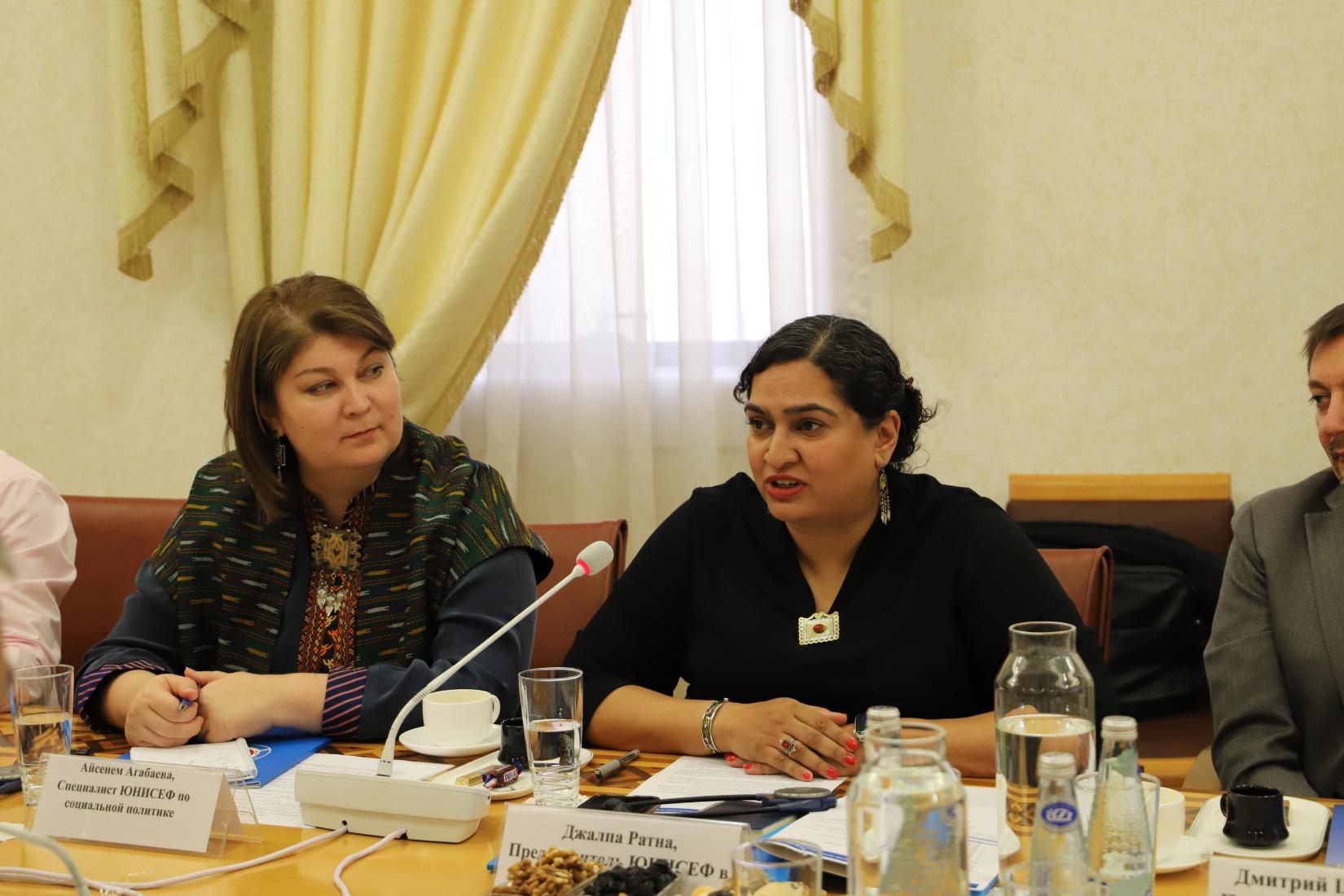
“Turkmenistan’s education reforms have already created strong momentum. The next strategic step is to ensure that every child starts primary school ready to succeed. Providing at least one year of compulsory, fee-free pre-primary preparation education for all five-year-olds is therefore not an expansion of the system — it is its completion”, noted Ms. Jalpa Ratna, UNICEF Representative
The Hard Talk aligns with the UN Sustainable Development Cooperation Framework (2026–2030), particularly its priority on equitable social development and wellbeing. Participants emphasized that expanding access to quality pre-primary education and ensuring sustainable financing for this initiative are essential for achieving SDG Target 4.2.
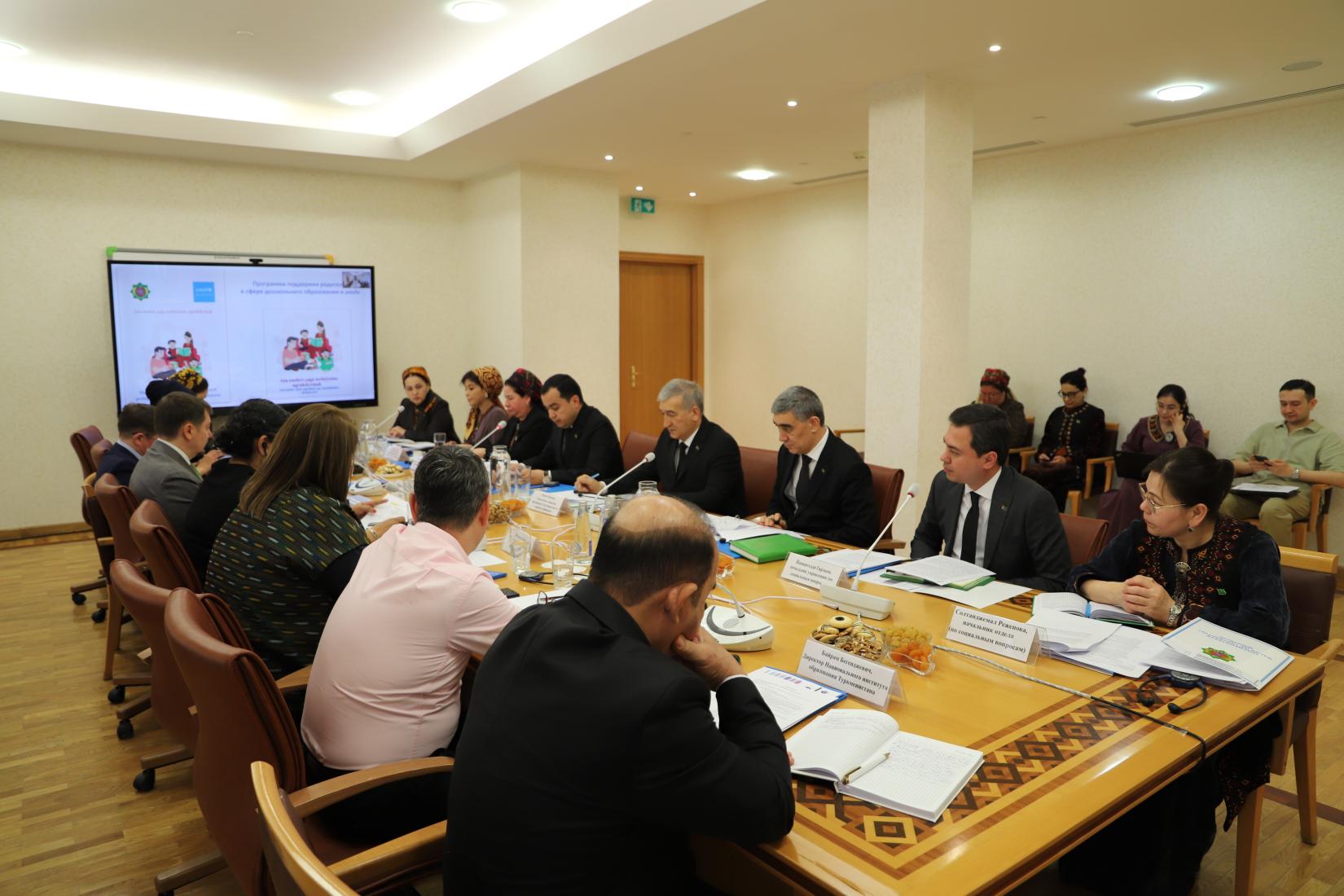
UNICEF and the Ministry of Education presented evidence demonstrating the strong developmental and economic returns of early childhood education, noting that half-day, fee-free pre-primary programmes are both cost-effective and aligned with international standards (600 hours annually). These models were identified as optimal approaches to support a nationwide scale up.The Ministry of Education confirmed to launch 65 pilot groups across 55 schools for a one-year, half-day, fee-free pre-primary preparation programme starting in September 2026. The pilot will inform a national roadmap for gradual scaleup beginning in 2027, with the objective of achieving universal access by 2030.
Participants also reviewed progress and next steps on the parenting support programme, which aims to strengthen families’ capacity to support early learning and child development. Integration of this programme at the systems level is expected to reinforce efforts to improve early childhood outcomes nationwide. ///UN Turkmenistan, 20 February 2026