


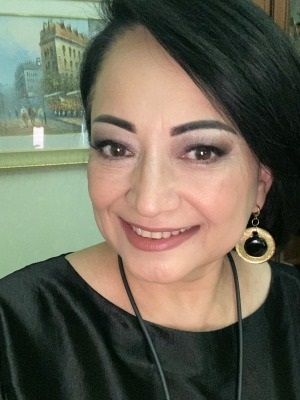
Nabat Gurbannyyazova, Project management expert
Corporate Social Responsibility (CSR) has become one of those phrases everyone nods along to. It sounds good, and it looks good in annual reports. However, CSR deserves more than a polite nod. It deserves an honest conversation.
So let’s have one.
Not a lecture, not a technical paper, but a conversation between partners, who share the same space, the same opportunities, and the same responsibility to contribute to the country that hosts them.
Where Are We Today?
Many foreign companies, operating in Turkmenistan, already demonstrate goodwill. They sponsor cultural events, donate to charities, support sports competitions, or provide occasional humanitarian assistance. These gestures are appreciated. They create visibility, they build relationships, and they show that companies care.
But here’s the truth we rarely say out loud:
Most of these activities, while generous, do not create lasting value.
CSR becomes transformative only when it aligns with a company’s core business, its expertise, its technology, its people, and its long-term presence. That’s where the real impact lies. Foreign companies are uniquely positioned to contribute – not because they “should,” but because they “can”. And when CSR is aligned with a company’s business, it becomes sustainable, scalable, and mutually beneficial.
A Few Lessons From the Region
Across Central Asia, we’ve seen what works and what doesn’t.
Studies of multinational companies in the region show a familiar pattern: lots of sponsorships, lots of charity, lots of visibility, and less initiatives that truly make a difference – those initiatives that communities remember long after the banners come down.
And Turkmenistan is no different. Local engineers, students, entrepreneurs, and community leaders are eager for collaboration – not handouts. They want to learn, to grow, to participate.
This is where foreign companies can shine.
Powerful Example: Gas Flaring and Venting
From a CSR perspective, flaring is one of the clearest opportunities to show leadership without stepping outside the core business.
We don’t need to get technical here. Think of it this way: every time gas is burned off or released, something valuable is lost – not just energy, but a chance to do things differently. A chance to introduce better practices, to train local teams, to bring in modern monitoring tools, and to show that efficiency and responsibility can go hand in hand.
Communities may not know the technical details, but they understand the difference between waste and care. When a company takes steps to reduce flaring, people notice. It signals respect – for the environment, for the country’s resources, and for the future.
What Real CSR Looks Like
Real CSR is not about writing a cheque. It’s about asking a simple question: “What can we do, using what we already know and do best, that will leave a positive footprint in Turkmenistan?”
For example:
If you are an energy company:
You can support vocational training for technicians, promote safety culture, or help introduce cleaner, more efficient practices – like reducing flaring or improving energy management.
If you are in logistics or aviation:
You can help modernize supply chain skills, train young professionals in international standards, or support green logistics initiatives.
If you are in telecommunications:
You can mentor startups, support digital literacy programmes, or help schools access modern technologies.
If you are in finance or consulting:
You can offer financial literacy workshops, support women-led enterprises, or help local SMEs strengthen their business planning.
These are not “extra” activities. They are natural extensions of the business. They build your brand, strengthen your workforce pipeline, and create a more capable environment for your operations.
A Gentle Invitation
To every foreign company operating in Turkmenistan:
You are already part of this country’s story. Your presence shapes the economy, the labor market, and the aspirations of young people who see your brands and imagine their future.
CSR is your chance to shape that story with intention.
Not through charity, but through leadership.
Not through one-time gestures, but through long-term commitment.
Turkmenistan needs partners who are willing to share their knowledge, their standards, and their vision for a better future.
CSR deserves more than a polite nod. It deserves an honest conversation.
So, let’s have one… ///nCa, 6 February 2026
Nabat Gurbannyyazova is a senior executive with over 25 years of experience in project management, stakeholder engagement, and sustainable business development across the energy, finance, aviation, and international development sectors. She has represented major global companies, including Equinor, ONGC‑Mittal Energy (UK) Ltd, and Maersk Drilling – where she led government relations, risk assessments, and PSA-related coordination in the offshore Caspian Sea. She has also played a key role in helping Cargolux Airlines establish and expand its business in Turkmenistan. She managed the first USAID-funded micro-credit programme in Turkmenistan, contributed to the EU and UN social development infinitives, and has long been an advocate for CSR practices that strengthen local capacity, promote gender equality, and support youth empowerment.
Known for her cross-cultural leadership and deep understanding of Turkmenistan’s regulatory and institutional landscape, she continues to advise international companies on responsible business, strategic partnership and sustainable growth in the country.