Elvira Kadyrova
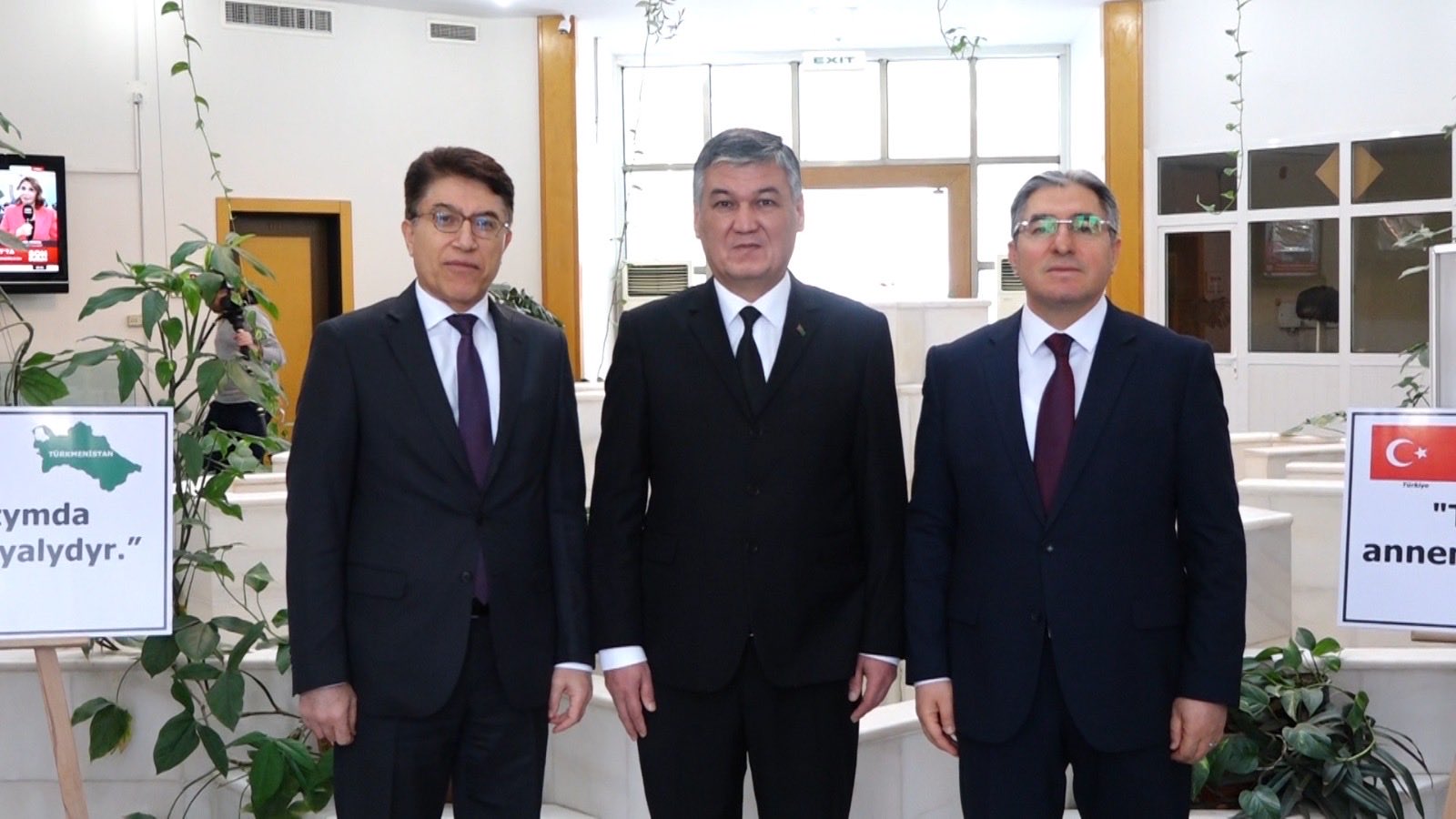
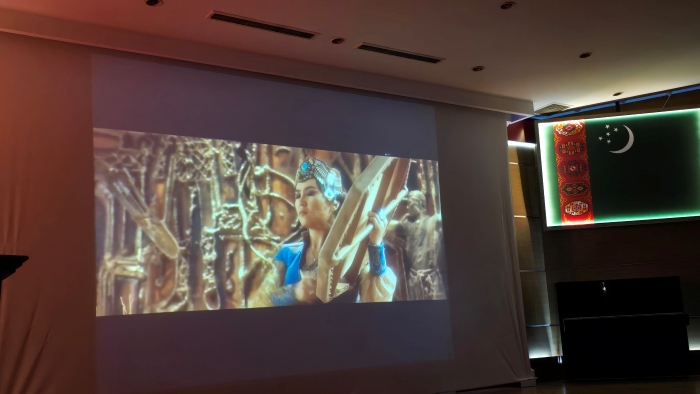
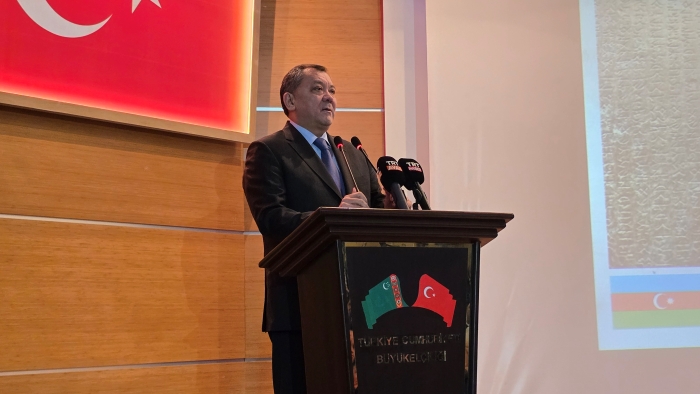
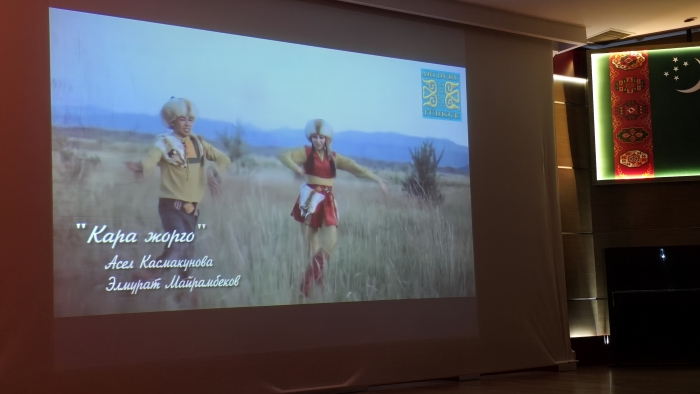
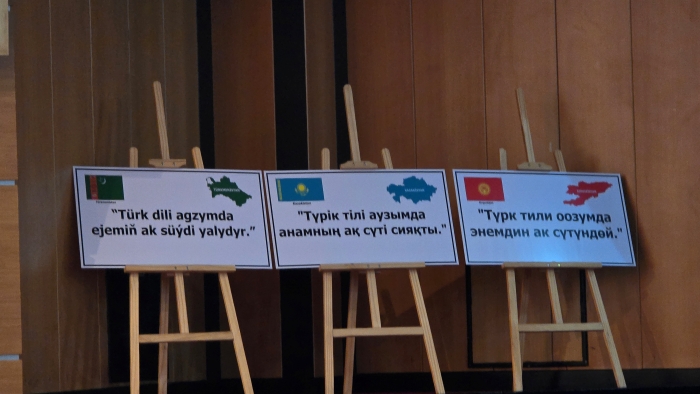
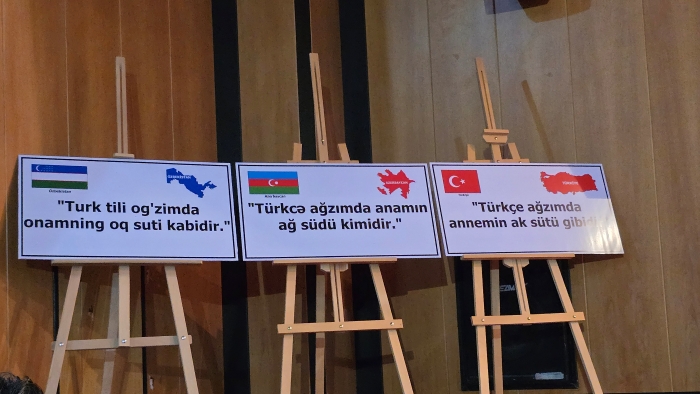
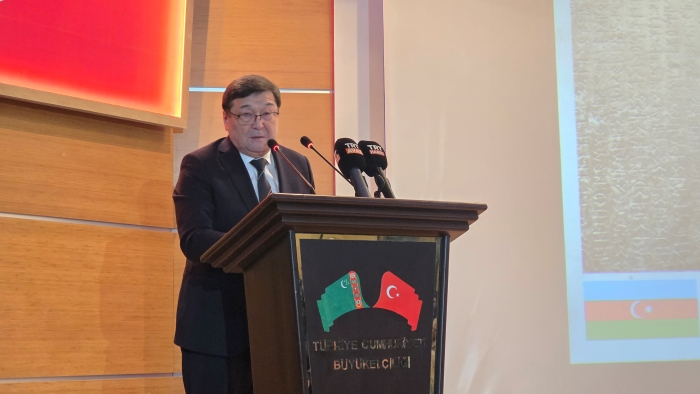
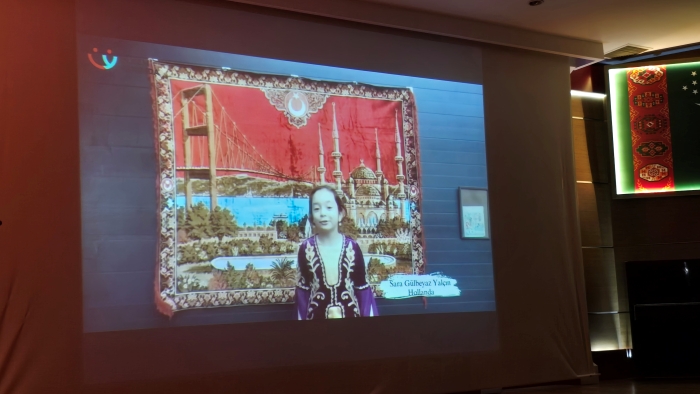
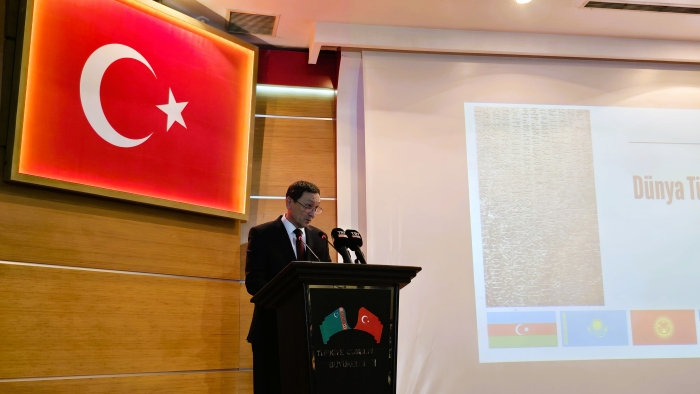
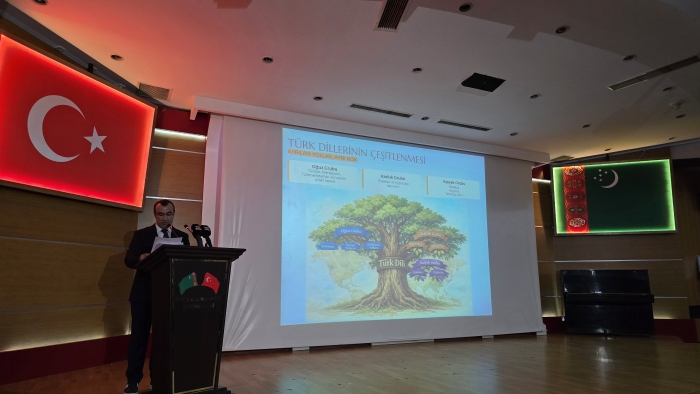
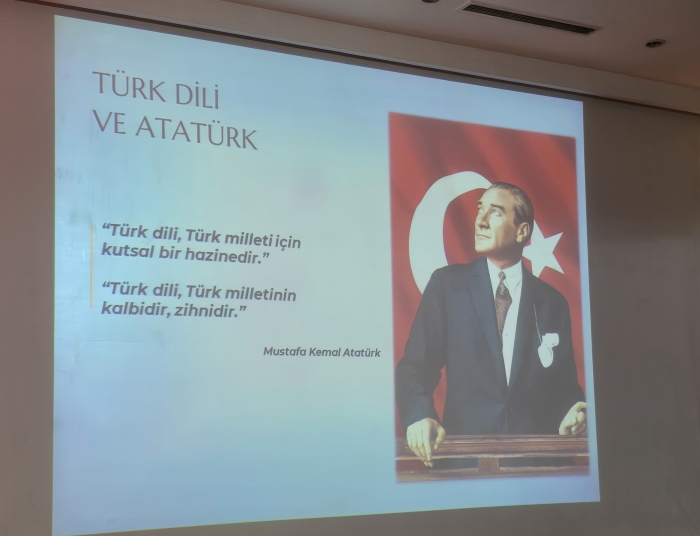
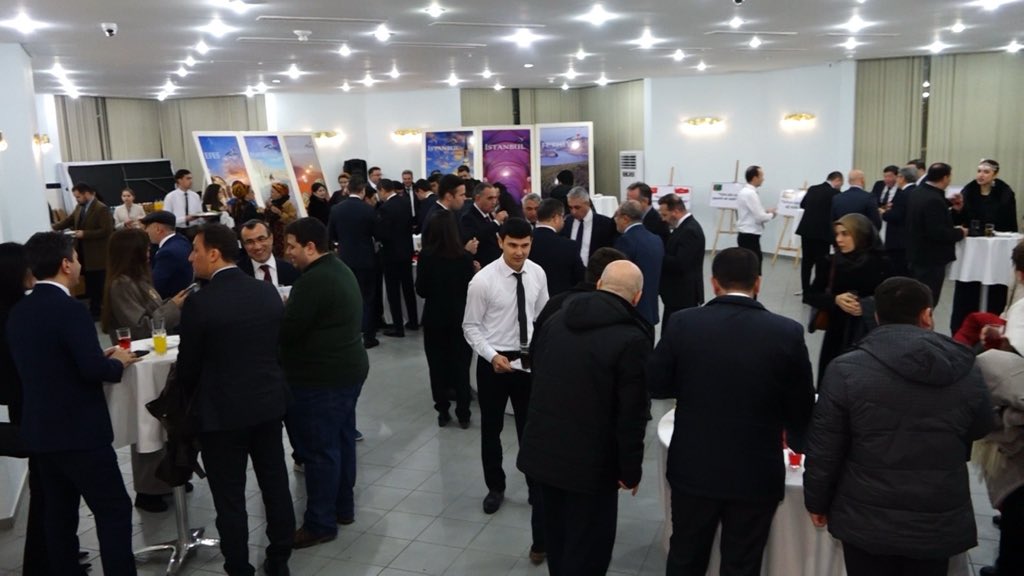
On 21 January 2026, an event dedicated to the recently established World Turkic Language Family Day took place at the Cultural Center of the Embassy of Türkiye in Turkmenistan, Ashgabat.
The event became one of the first major commemorations in the Turkic world following the historic decision of UNESCO’s General Conference in Samarkand in November 2025, where December 15 was officially declared the World Turkic Language Family Day.
The choice of date is highly symbolic: on 15 December 1893, Danish linguist Vilhelm Thomsen announced the successful decipherment of the Orkhon inscriptions of the 8th century — the oldest known written monuments of the Turkic peoples, discovered in the Orkhon Valley (present-day Mongolia). This breakthrough laid the foundation for the scientific study of Turkic languages.
The Turkic language family unites more than 200 million speakers across a vast geographical area of approximately 12 million sq km — stretching from the Balkans and the Adriatic to Siberia and the Great Wall of China. It includes Azerbaijani, Kazakh, Kyrgyz, Turkish, Turkmen, Uzbek, and many other languages.
The proclamation of this day represents an important step toward international recognition of the contribution of Turkic languages to global cultural and linguistic diversity, as well as toward strengthening cooperation in linguistics, education, and cultural exchange.
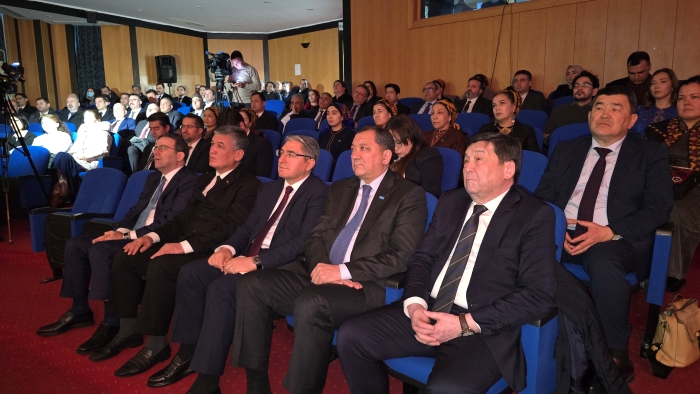
The Ashgabat event, organized by the Embassy of Türkiye, brought together diplomats, media representatives, experts, and officials.
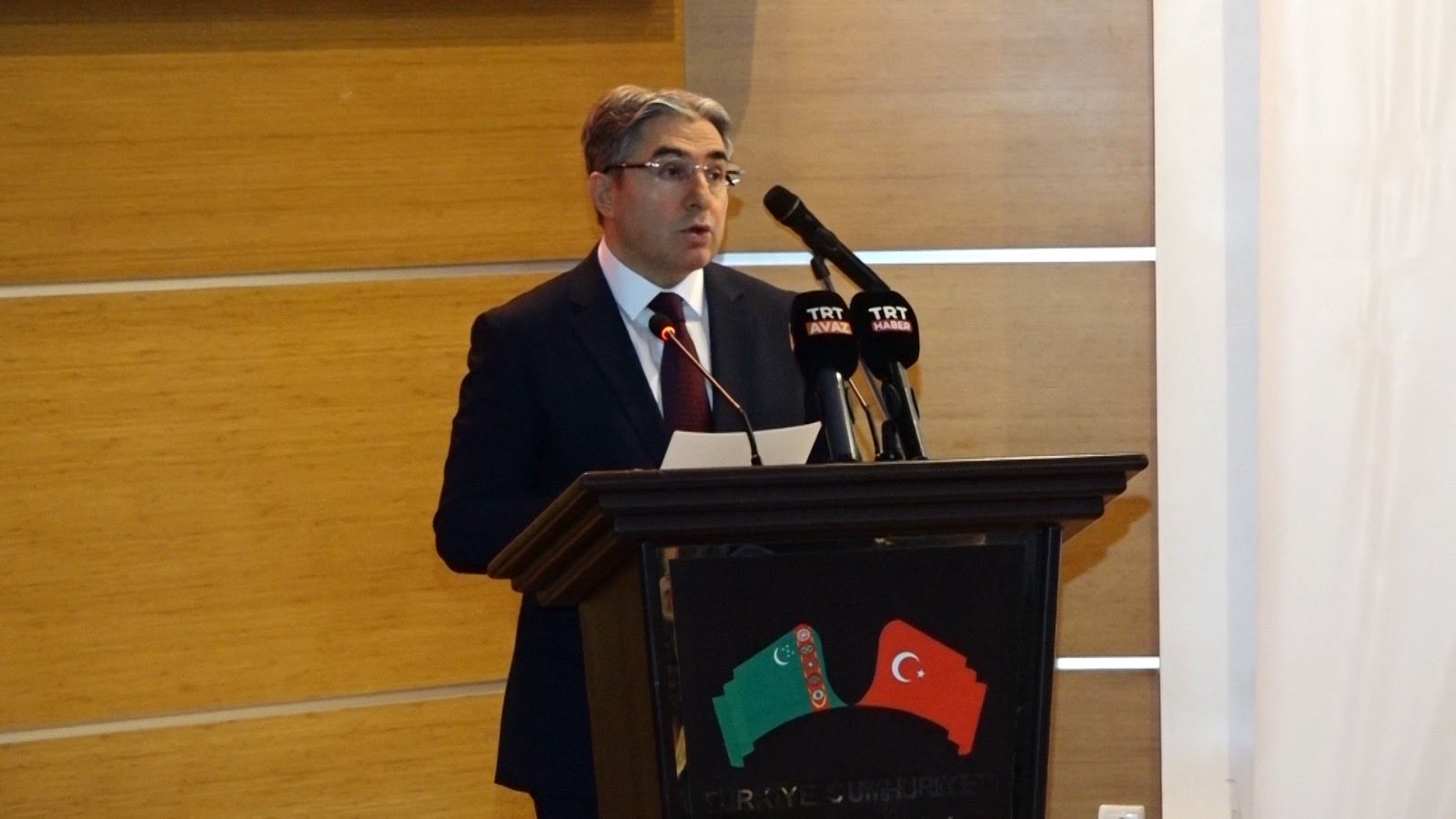
Ambassador of Türkiye Ahmet Demirok described the Turkic language family as “the strongest bond of our common history, culture, and civilization,” uniting millions of people from the Adriatic to the Great Wall of China, from the Balkans to Siberia.
He warned that the weakening of linguistic consciousness inevitably leads to cultural disintegration and stressed the critical importance of preserving, developing, and passing languages on to future generations in their full strength and richness. The ambassador expressed special gratitude to President of Turkmenistan Serdar Berdimuhamedov and National Leader Gurbanguly Berdimuhamedov for their outstanding contribution to the preservation of the Turkmen language through numerous books and cultural initiatives.
Ambassador Demirok noted that the Turkic peoples left an enormous mark on world history — from wars and empires to profound cultural achievements. Their traces span vast territories — from the Siberian steppes to the Baltic Sea, from India to the Atlantic Ocean. Yet, despite these accomplishments, the Turkic peoples, who shaped history, unfortunately did not show sufficient diligence in recording their own history.
“We had to study our past only through the archives of the peoples we fought against. That is precisely why I believe that the joint celebration of December 15 — World Day of the Turkic Language Family — is an extremely important step toward writing our own history and ensuring that the works we create are read and understood throughout the entire Turkic geography,” the ambassador stated.
Deputy Minister of Culture of Turkmenistan Nursahet Shirimov spoke about the active development of Turkmenistan’s relations with Turkic countries, with particular emphasis on the cultural dimension. He recalled that the city of Ana (Anew) was declared the Cultural Capital of the Turkic World in 2024 by TURKSOY — in the year marking the 300th anniversary of Magtymguly Fragi.
Ambassador of Azerbaijan Gismet Gozalov highlighted the global status of Turkic languages: they rank among the top in terms of number of speakers (over 350 million people), yet they are still not included among the six official languages of the United Nations. He attributed this to historical and geographical fragmentation that must now be overcome.
“Only those peoples who safeguard their honor are taken seriously in the world. If there is no language — there is no culture; if there is no culture — there is no identity; and without identity there can be no dignity or honor,” the ambassador emphasized.
He recalled Ismail Gasprinsky and his motto “Unity in language, thought, and action,” as well as the newspaper “Tercüman” (1883–1918), which, thanks to the choice of an accessible dialect and the common Arabic script, was understandable from Uyghurs to Balkan Turks. “From this perspective, in order for us to understand each other better, Turkic states need a common alphabet,” Gozalov said, adding that ambassadors also bear responsibility for researching and popularizing our shared history, culture, and — above all — our language. He proposed holding such thematic meetings more frequently.
Kazakhstan’s Ambassador Nurlan Nogaev underscored the role of the linguistic factor in the era of globalization as the main connecting link guaranteeing the preservation of sovereignty and identity of Turkic states. He highly praised the work of the Organization of Turkic States (OTS), TURKSOY, the Investment Fund, and other institutions, noting that integration is proceeding not merely in words, but through real economic and humanitarian mechanisms. The ambassador stressed that preserving history and traditions within the family is a “civic duty” toward future generations.
Ambassador of Kyrgyzstan Azizbek Madmarov emphasized the historical significance of the date and the need for linguistic rapprochement in the modern era. He called for the development of common methods in philology and literature to help Turkic peoples better understand one another. The ambassador highlighted the active role of educational institutions (in particular, Manas University) and TURKSOY in organizing scientific conferences and cultural events. He concluded his speech with gratitude to the Turkish side and Ambassador Ahmet Demirok for initiating such meetings, which represent loyalty to ancestral heritage and an important step toward future regional cooperation.
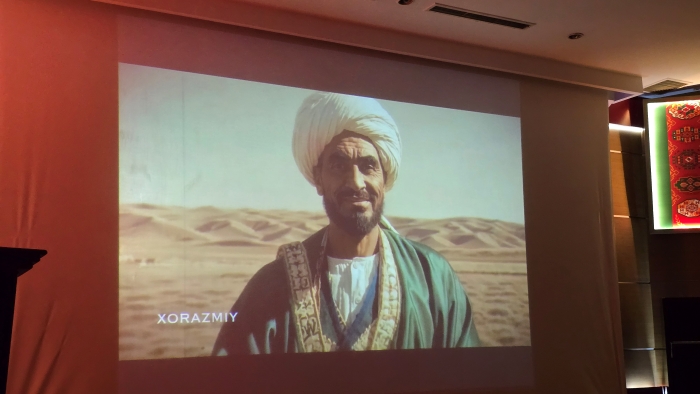
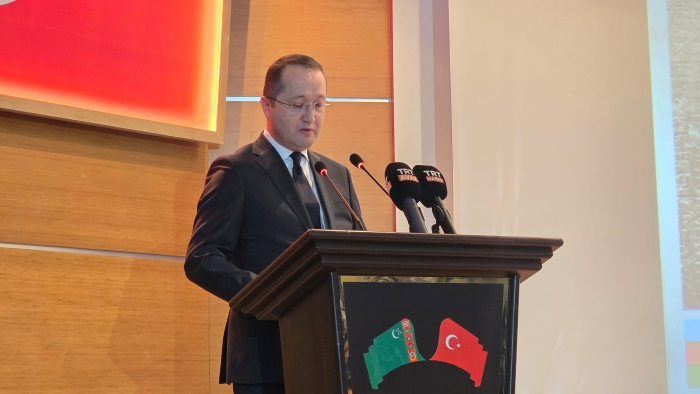
Adviser to the Embassy of Uzbekistan Jasur Ashurov underlined the symbolic nature of the decision being taken in Samarkand — the historical cradle of Turkic civilization. He recalled the contributions of Mahmud al-Kashgari, Yusuf Balasaguni, Mirzo Ulugbek, and especially Alisher Navoi (whose 585th anniversary is being marked these years), who elevated the Turkic language to the status of a world literary and state language.
“Turkic languages are not merely a means of communication, but also an expression of the history, thought, values, and spiritual world of our peoples. In the era of globalization, preserving, developing, and passing these languages on to future generations in their original form is our common responsibility,” he concluded.
The event in Ashgabat confirmed the growing consolidation of the Turkic world around language as a key element of identity and cultural heritage. Participants expressed hope that such events will become regular and will contribute to further rapprochement among the peoples, joint projects, and the protection of shared cultural legacy and linguistic wealth. /// nCa, 22 January 2026
Here are some photos from the event: