


On 8 October 2025, the Mejlis of Turkmenistan held the second meeting of the speakers of parliaments from member states of the Group of Friends of Neutrality under the theme “Inter-Parliamentary Dialogue – A Key Instrument for Ensuring Global Peace and Trust.” The event, chaired by the Cahir of Turkmenistan Parliament Dunyagozel Gulmanova and conducted in a hybrid format, brought together heads of legislative bodies from the Group’s member states, representatives of the Inter-Parliamentary Union, the Council of the CIS Inter-Parliamentary Assembly, and UN agencies in Turkmenistan, including the UN Regional Centre for Preventive Diplomacy for Central Asia.
Among the speakers were Chairperson of the Council of the Republic of the National Assembly of Belarus Natalia Kochanova, Chairperson of the Federation Council of Russia Valentina Matviyenko, Chairperson of the Majlisi Namoyandagon of the Majlisi Oli of Tajikistan Idizoda Faizali Fuzailsho, Deputy Chairman of the State Duma of Russia Sholban Kara-ool, Deputy Chairperson of the Consultative Council (Shura Council) of Qatar Hamda bint Hassan Al-Sulaiti, Chairman of the Senate of Pakistan Yusuf Raza Gilani, Chairperson of the Committee on International Relations, Defense, and Security of the Senate of Kazakhstan Andrey Lukin, and Head of the UNRCCA Kaha Imnadze.
Video messages were delivered by Secretary-General of the Inter-Parliamentary Union Martin Chungong, Chairperson of the Standing Committee of the National People’s Congress of China Zhao Leji, Chairperson of the Senate of the Oliy Majlis of Uzbekistan Tanzila Narbayeva, and Deputy Speaker of the Jogorku Kenesh of Kyrgyzstan Zhyldyz Sadyrbaeva.
The Group of Friends of Neutrality, established in 2020 and now comprising over 25 countries, serves as a platform for promoting the principles of neutrality under the auspices of the United Nations. It fosters multilateral dialogue aimed at preventing conflicts, addressing their causes and consequences, and resolving humanitarian issues. The participants highly praised Turkmenistan’s contribution to consolidating constructive international partnerships and effectively utilizing neutrality to strengthen global security.
As the speakers noted, inter-parliamentary dialogue is recognized as an effective tool for building trust, advancing diplomacy, and finding collective solutions to global challenges. Parliamentarians, representing the interests of their peoples, play a pivotal role in shaping a political environment conducive to peace, social cohesion, and sustainable development. Through legislative frameworks and parliamentary diplomacy, neutrality gains institutional character and democratic legitimacy.
The Group of Friends of Neutrality has become a model for achieving these goals, ensuring a balanced implementation of Turkmenistan’s foreign policy course. The participants exchanged views on the Group’s contribution to promoting initiatives for the benefit of humanity.
Key quotes from the remarks by participants:

Dunyagozel Gulmanova, Chairperson of the Mejlis of Turkmenistan:
“Turkmenistan, committed to the high ideals of humanism, principles of democratic development, and a modern legal society, is making efforts to strengthen the legislative foundation of its permanent neutrality policy. The recently adopted Constitutional Law of Turkmenistan ‘On the Legal Foundations of the Policy of Peace and Trust of Neutral Turkmenistan’ outlines the philosophy of ‘Dialogue – a Guarantee of Peace,’ humanism, preventive diplomacy, parliamentary diplomacy, the Group of Friends of Neutrality, and international cooperation, which are the core principles of our permanently neutral country’s policy of peace and trust, as well as the norms guiding the priority directions of our state’s domestic and foreign policy.
The Law emphasizes that in Turkmenistan, which recognizes the human being as the highest value of society and the state, the use of the capabilities of the Gurbanguly Berdimuhamedov Charitable Foundation for Assisting Children in Need of Care is a priority in addressing humanitarian issues in international relations.
The adoption of this Constitutional Law demonstrates that Turkmenistan’s experience serves as an example for other states. It will also contribute to elevating the international legal foundations of our country’s state policy, oriented toward universal human interests, to a new level, implementing the policy of peace and trust of neutral Turkmenistan and further improving it.
In today’s world, holding multifaceted events and consultations that unite peoples, bring countries closer, and promote the search for positive solutions to global challenges serves as an example.
The meeting of the heads of parliaments of the member states of the Group of Friends of Neutrality makes a significant contribution to strengthening peace and trust globally, uniting efforts to improve the activities of representative legislative bodies.
Dialogue in this format will serve as a valuable platform for proposing effective solutions to the most pressing contemporary issues, strengthening cooperation in achieving the Sustainable Development Goals, protecting universal human values, ensuring human rights and freedoms, promoting gender equality, supporting youth, achieving environmental well-being, and introducing new technologies. It will also be significant in supporting our countries’ activities in these areas through parliamentary diplomacy and the exchange of parliamentary and legislative experience.
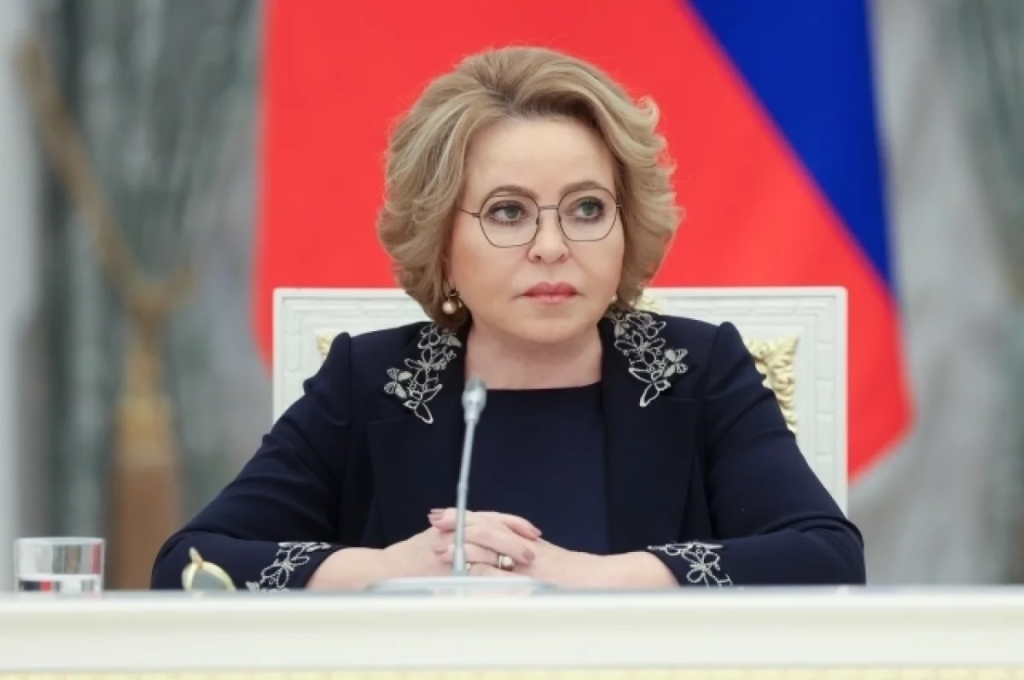
Russia, Valentina Matviyenko, Chairperson of the Federation Council of the Federal Assembly:
“In today’s conditions, when joint efforts are required, parliamentary diplomacy plays a special role in ensuring sustainable development for all interested parties. It is symbolic that neutral Turkmenistan has launched the inter-parliamentary forum of Central Asian countries and Russia. With the support of the National Leader of the Turkmen people, Chairman of the Halk Maslahaty of Turkmenistan Gurbanguly Berdimuhamedov, preparations are underway for its second meeting. Thanks to such active platforms, the policy of neutrality today takes on special significance and is enriched with new international initiatives.”

Belarus, Natalia Kochanova, Chairperson of the Council of the Republic of the National Assembly:
“Parliamentary diplomacy holds tremendous potential for strengthening inter-civilizational dialogue, which is particularly important in the context of the complex establishment of a multipolar, fairer world order. We, the members of the Group of Friends of Neutrality, must promote these key principles on multilateral international parliamentary platforms. Our Group of Friends of Neutrality has enormous potential to protect and promote multipolarity, form a just, sustainable, and indivisible security system, and ensure the inviolability of international law norms and principles. The Council of the Republic is open to cooperation with all parliaments of the Group of Friends of Neutrality and is interested in further strengthening inter-parliamentary interaction on international platforms and bilaterally.”

China, Zhao Leji, Chairman of the Standing Committee of the National People’s Congress:
“Since its establishment over five years ago, the Group of Friends of Neutrality has been dedicated to protecting and promoting principles that are important to humanity. Over this period, it has become an effective platform for like-minded countries to foster mutual understanding and trust, develop relations and cooperation, and deepen comprehensive experience.”
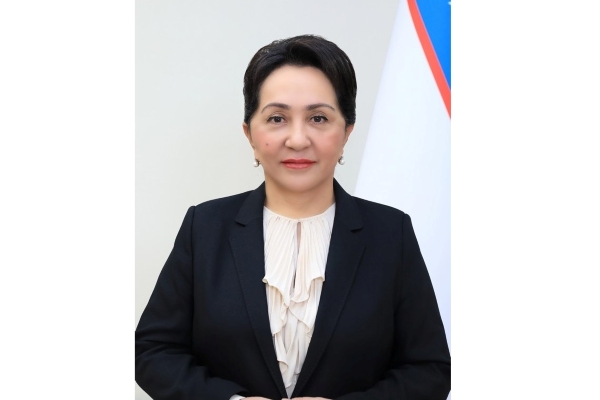
Uzbekistan, Tanzila Narbayeva, Chairperson of the Senate of the Oliy Majlis:
“The Group of Friends of Neutrality has significant potential to strengthen trust and develop dialogue. We can and must use it as an effective platform for exchanging experiences, promoting joint initiatives, and supporting international law and the principle of sovereign equality of states.
In this regard, having created a solid and constructive basis for our dialogue, it is necessary to ensure the consistent and sustainable nature of interaction; establish the exchange of experience in promoting legislative initiatives aimed at addressing the most pressing challenges facing our societies; expand parliamentary participation in monitoring the implementation of international obligations, strengthen parliamentary oversight mechanisms, and enhance the effectiveness of the Group of Friends of Neutrality’s initiatives; and actively develop youth and women’s parliamentary diplomacy, giving it an increasingly significant role in strengthening dialogue and cooperation.”
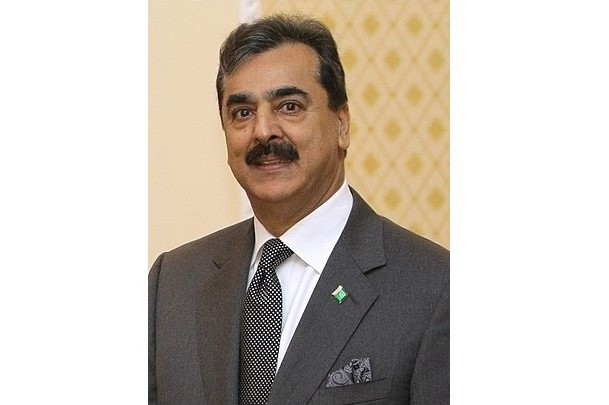
Pakistan, Syed Yousuf Raza Gilani, Chairman of the Senate:
“Our parliamentary relations with Turkmenistan and other member states of the Group of Friends of Neutrality confirm our shared commitment to rational peace and development. The parliamentary institution reflects the dreams, hopes, and positions of peoples. By influencing negotiations, it can lead to achieving priority humanitarian outcomes. I wholeheartedly support the Group of Friends of Neutrality in its efforts to define concrete steps for cooperation. In this case, we can achieve positive results for the sake of universal human interests.”

Tajikistan, Faizali Idizoda, Chairman of the Majlisi Namoyandagon of the Majlisi Oli:
“Neutrality in the modern world, with a history of over three hundred seventy years, is not only a refusal to participate in tense, conflict-ridden processes but also a universally recognized tool for strengthening peace, sustainable development, and security. Undoubtedly, the essence of the neutrality policy today is a strategy aimed at preserving international relations. Neutrality, as an exemplary tool, is of great importance, especially in conditions of geopolitical instability.”

Qatar, Hamda bint Hassan Al Sulaiti, Deputy Speaker of the Shura Council:
“Neutrality is a proactive pursuit to address the causes of conflicts through preventive diplomacy, dispute resolution through mediation, and good offices. We reaffirm that dialogue and mutual respect are the only path to resolving disputes, and parliaments bear a special responsibility for upholding these values. Today, collective efforts and cooperation are needed, achievable only through genuine, comprehensive, and ongoing dialogue. Parliaments, as institutions representing the will of the people, are best suited and most qualified to lead this joint parliamentary endeavor.”

Russia, Sholban Kara-ool, Deputy Chairman of the State Duma:
“Over the years, Russia has consistently stood in solidarity with Turkmenistan’s peace-loving initiatives, which are solely aimed at promoting multilateral cooperation based on mutual respect and understanding. From the very beginning, our country has supported Turkmenistan’s partners in their pursuit of international recognition of permanent neutrality status. We have also become members of the Group of Friends of Neutrality. We cherish the friendly, good-neighborly relations that align with the genuine interests of the peoples of Russia and Turkmenistan, serving the cause of peace and development in Central Asia. We highly value mutually beneficial cooperation with Turkmenistan in political, economic, educational, cultural, and other fields.”

Kyrgyzstan, Zhyldyz Sadyrbaeva, Deputy Chairman of the Jogorku Kenesh:
“We attach particular importance to the upcoming UN international forum in Ashgabat, dedicated to the 80th anniversary of the United Nations and the 30th anniversary of Turkmenistan’s permanent neutrality. We are confident that this forum will serve as an authoritative platform for discussing pressing contemporary issues and will open new horizons for multilateral inter-parliamentary cooperation. The Kyrgyz Republic’s support for the initiatives of Turkmenistan and the UN is not only a gesture of solidarity but also a reflection of our firm commitment to common goals: ensuring a peaceful, sustainable, and prosperous future for all peoples of Central Asia in the spirit of mutual understanding, trust, and friendship.”

Kazakhstan, Andrey Lukin, Chairman of the Committee on International Relations, Defense, and Security of the Senate of the Parliament:
“It is important that we, as parliamentarians, create a reliable legal framework to simplify trade procedures, remove barriers, and stimulate new economic projects in the region. It is crucial that our laws align, using similar principles and approaches. The Parliament of Kazakhstan is ready for joint initiatives aimed at synchronizing legislation in the areas of digitalization and artificial intelligence, as well as implementing joint projects and initiatives.
Today, the region is making significant decisions to advance the environmental agenda. It is important to act together, complementing and reinforcing each other’s efforts in addressing common challenges. Our collective actions reflect our commitment not only to a more peaceful present but also to a prosperous and harmonious future.”
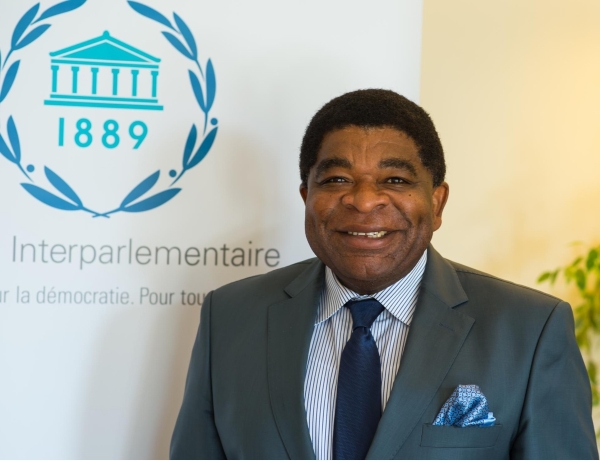
Martin Chungong, Secretary-General of the Inter-Parliamentary Union:
“The Inter-Parliamentary Union closely collaborates with the United Nations on many issues. We hold parliamentary meetings at UN forums on climate change, the World Health Assembly, and the High-Level Political Forum on Sustainable Development. We support and encourage the participation of parliamentarians and delegations in key processes, such as the Universal Periodic Review conducted by the UN Human Rights Council.”

Kaha Imnadze, Special Representative of the UN Secretary-General for Central Asia, Head of the UN Regional Centre for Preventive Diplomacy for Central Asia:
“The Group of Friends of Neutrality for Peace, Security, and Sustainable Development is living proof that neutrality is not silence, detachment, or indifference. In the Central Asian context, the principle of neutrality aligns with the long-standing traditions of maslahat – council, wisdom, and discussion – as well as the deeply rooted cultural value of dynchlyk, or peace and tranquility, as the highest good in society. These concepts reflect the understanding that genuine stability is achieved not through domination but through balance; not through victory but through mutual respect.”

Dmitry Shlapachenko, UN Resident Coordinator in Turkmenistan:
“In August last year, I was proud to join the delegation of the UN Secretary-General at the Third UN Conference on Landlocked Developing Countries (LLDC3), held in Awaza, Turkmenistan, which became the largest event of its kind in Central Asia. As a result, the General Assembly adopted the Awaza Programme of Action for 2024–2034, and we welcome Turkmenistan’s leadership in its implementation. We will continue to work with the Government of Turkmenistan to promote the principles and concrete outcomes achieved in Awaza. This program underscores the importance of regional cooperation and inclusive economic development, and we call on parliamentarians to actively participate in its implementation.”
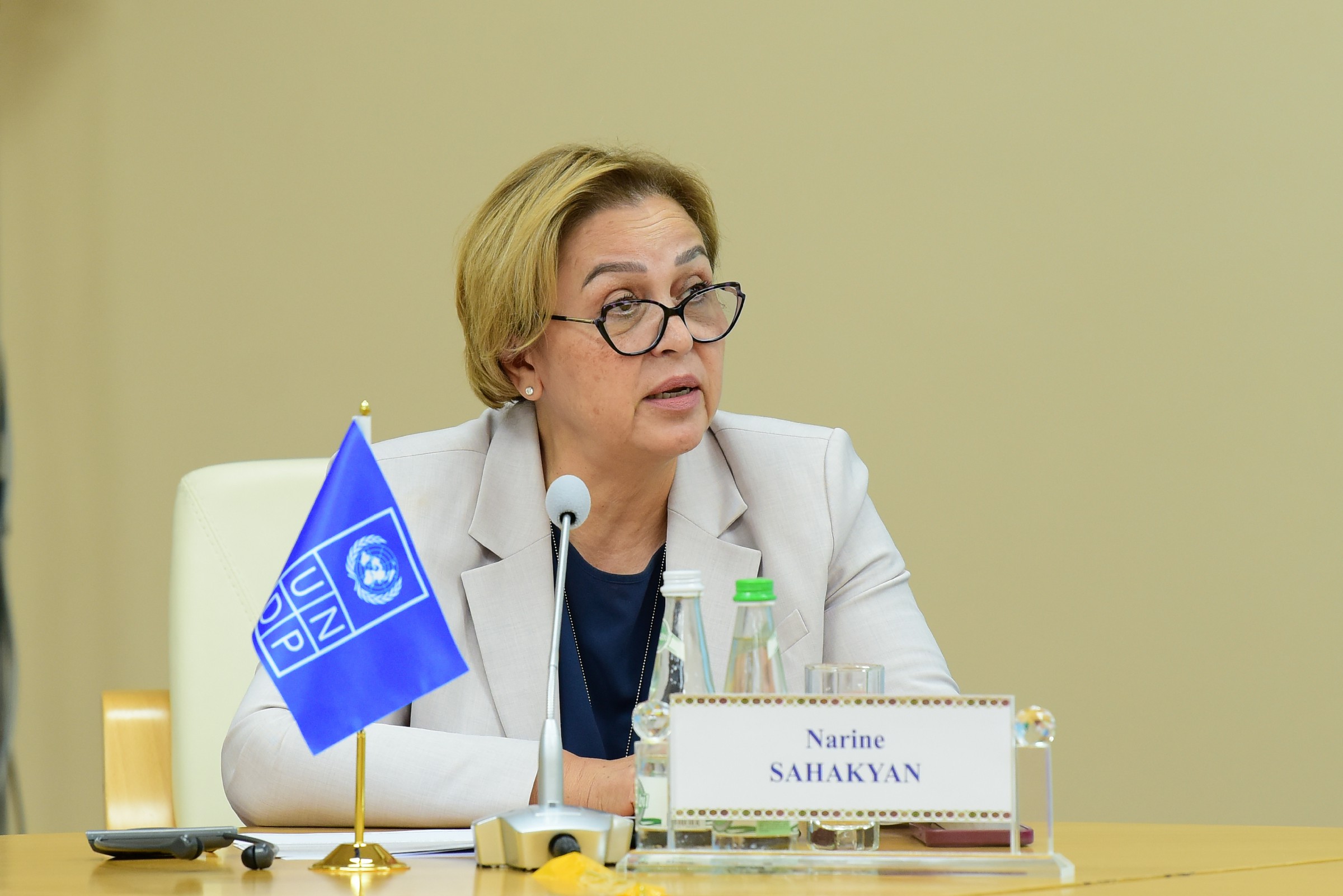
Narine Sahakyan, UNDP Resident Representative in Turkmenistan:
“2025, declared by Turkmenistan as the Year of Peace and Trust and supported by a UN General Assembly resolution, presents a unique opportunity to strengthen joint efforts toward building a just, inclusive, and sustainable future. UNDP fully shares this vision and translates it into practical actions. We believe that sustainable development and peace are inextricably linked: they require political dialogue, socio-economic progress, environmental sustainability, the protection of human rights, gender equality, and the strengthening of the rule of law and democratic institutions.”

Jalpa Ratna, UNICEF Representative in Turkmenistan:
“We all know that the work of parliaments today is more complex than ever. Balancing diplomacy, trade, humanitarian needs, and modern digital challenges is no easy task. However, in each of these areas, parliaments have the opportunity to play a leading role, guided by the principles of neutrality, inclusivity, and foresight. UNICEF is committed to continuing this partnership – sharing data, building capacity, and supporting national priorities. Our cooperation with the Mejlis of Turkmenistan is an example of how international organizations and national parliaments can unite to achieve real change.”
///nCa, 9 October 2025